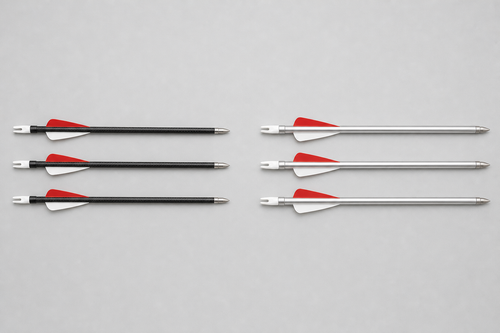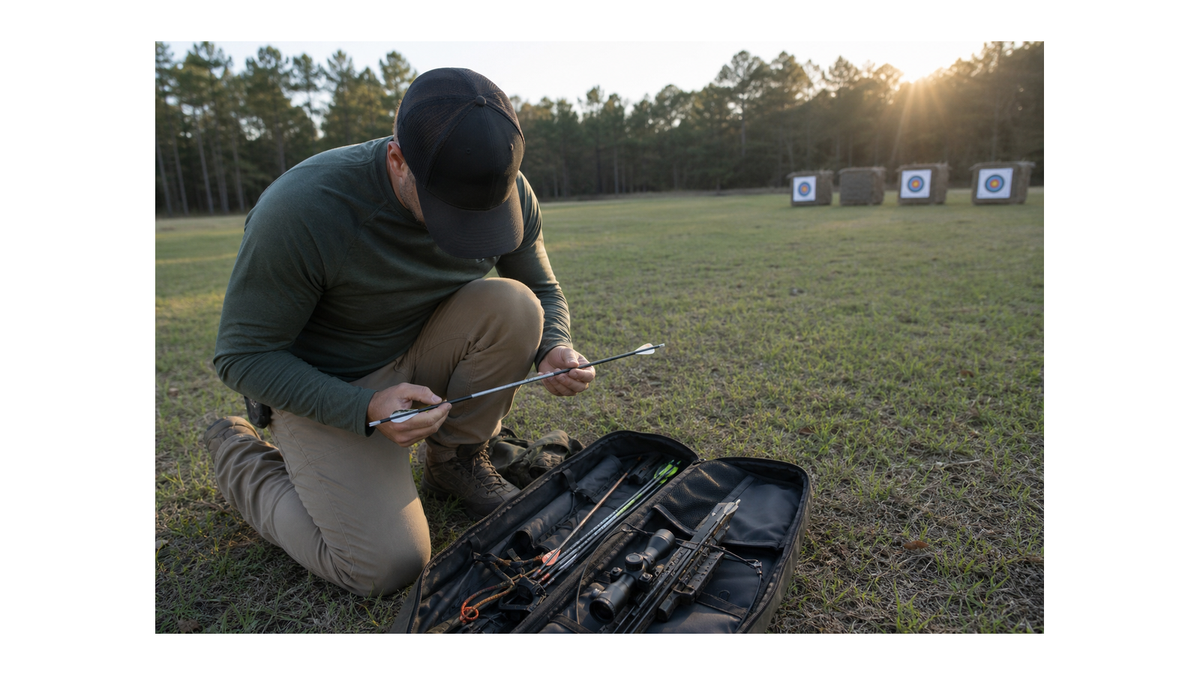
At first glance, a crossbow bolt and a traditional arrow look nearly identical — both are slender shafts with a point at one end and a nock at the other. But they are purpose-built for very different bows, and mixing them up is one of the most common mistakes new archers and crossbow shooters make. Understanding what separates these two projectiles helps explain why they aren't interchangeable.
Quick Answer: What Is the Core Difference?
A crossbow bolt is a shorter, heavier projectile designed specifically for the high-draw-weight, horizontal limb configuration of a crossbow. A traditional arrow is longer, typically lighter per inch, and engineered to flex and recover correctly as it leaves a vertical bow — whether that is a compound or recurve. The two are not interchangeable, and using the wrong projectile for your equipment can affect accuracy, damage your bow, or create a safety hazard.
For a detailed breakdown of bolt terminology, the Crossbow Bolt glossary page covers the foundational definitions worth bookmarking.
Main Differences Between Crossbow Bolts and Arrows
Length
This is the most visible difference. Most crossbow bolts range from about 16 to 22 inches in length, while arrows for vertical bows typically run from 26 to 32 inches or longer depending on the archer's draw length. Crossbow rail length and power stroke dictate bolt length. With a vertical bow, your draw length is the primary measurement used to size your arrows correctly.
Weight and Grain Per Inch
Bolts tend to be heavier in terms of total grain weight, which helps transfer the significant energy a crossbow generates. However, because they are shorter, their grains-per-inch (GPI) can be comparable to or higher than many arrows. Arrow weight for vertical bows is selected based on draw weight, arrow dynamic spine, and intended use — lighter for speed-focused setups, heavier for deeper penetration in hunting applications.
Spine (Stiffness)
Arrow spine — the amount a shaft flexes under load — is critical for a vertical bow because the arrow bends and recovers (the archer's paradox) as it clears the riser. This flex must be matched precisely to draw weight, draw length, point weight, and bow type. Crossbow bolts also have a spine rating, but because the crossbow's stock and rail guide the bolt for the entire power stroke, the paradox effect is far less pronounced. Spine behavior for bolts is therefore less sensitive but still matters for consistent flight.
Nock Design
Nocks are another key distinction. Vertical bow arrows use a snap-on or press-fit nock that seats on the bowstring and can be replaced easily. Crossbow bolts use a flat nock, half-moon nock, or capture nock specifically designed to sit on the crossbow's rail and engage the string correctly. Using a standard arrow nock on a crossbow can cause dry-fire damage or erratic shots. Always verify nock compatibility with your crossbow manufacturer's specifications.
Fletching
Both bolts and arrows use vanes or feathers for stabilization, but bolt fletching is typically shorter and stiffer to suit the shorter overall length. Many crossbow bolts use a three-vane configuration with a slight offset or helical twist to promote rotation. Arrows for vertical bows have more room for fletching variation and are often tuned more extensively to match the bow's rest and arrow rest type.
Performance and Use Cases
Target Archery
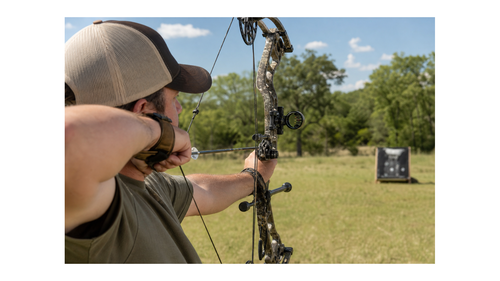
For target archery — indoor or outdoor range shooting, 3D courses, or Olympic-style competition — traditional arrows are the standard. Recurve and compound archers competing under any recognized format will always be using arrows matched to their bow's draw weight and their personal draw length. Bolt shooting at paper targets is possible, but crossbows are rarely used in formal target archery disciplines.
Field and Hunting Use
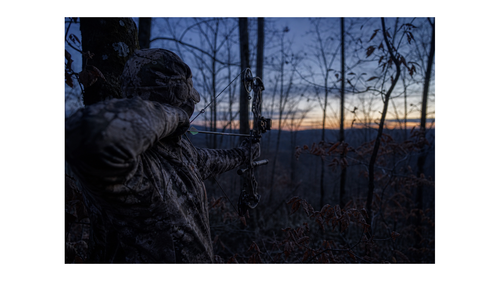
Crossbows are popular for hunting in jurisdictions where they are permitted during archery seasons. In those contexts, bolts are the correct choice — they are built to handle the crossbow's energy output and deliver the front-of-center balance needed for consistent accuracy. Hunters using vertical compound or recurve bows will select arrows based on weight and spine for the game they are pursuing and the distances they expect to shoot.
Storing and Transporting Your Projectiles
Regardless of whether you shoot bolts or arrows, keeping your shafts protected between sessions matters. Bent or dinged shafts fly inconsistently and can be dangerous. If you shoot traditional arrows, the Arrow Tube with Holder from Legend Archery is a telescopic hard case that holds up to 12 carbon arrows and extends to accommodate shafts up to 35 inches — a practical option for archers who want to protect their arrows during transport or at the range.
How the Differences Play Out in Practice
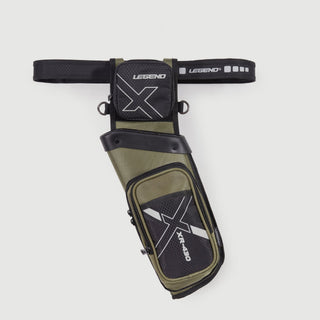
Because bolts and arrows are built for different launch mechanisms, each tends to suit a different kind of shooting: crossbow bolts are compact, hunting-focused, and nock-specific to the rail they're fired from, while traditional arrows are longer, more customizable across length, spine, weight, and fletching, and are the standard across recurve, compound, and longbow disciplines, including every formal target archery format. Neither projectile works safely in the other platform, which is why matching your shafts to your specific bow matters more than any other factor. If you need somewhere to carry your arrows to the range or in the field, browsing a dedicated arrow quiver collection can help you find a carrying option that suits your shooting format and style.
Frequently Asked Questions
What actually makes a crossbow bolt different from a regular arrow?
The main differences are length, nock design, and spine behavior. Bolts are shorter and use nocks designed to seat on a crossbow rail, while arrows are longer and built to flex correctly as they leave a vertical bow. The two are engineered for entirely different launching mechanisms and should not be used interchangeably.
Which is easier to get started with as a beginner?
That depends on what bow you are starting with. If you are learning at an archery club or range, you will almost certainly be using a recurve or compound bow, which means traditional arrows. Most beginner programs are built around vertical bows. Crossbows have their own learning curve and are less commonly used in structured beginner archery instruction.
Are crossbow bolts suitable for target archery competitions?
Generally, no. Formal target archery disciplines — including those governed by World Archery and USA Archery — use recurve and compound bows with traditional arrows. Crossbows are a separate equipment category with their own events.
What's a common misunderstanding about bolts and arrows?
The most common misunderstanding is assuming the two are interchangeable, or that picking the lightest option always maximizes performance. Heavier arrows and bolts are often more consistent and safer at higher draw weights. It's also easy to overlook nock compatibility on crossbows or skip a fletching inspection — damaged vanes cause erratic flight regardless of which projectile you shoot.
Final Thoughts
The crossbow bolt vs arrow comparison comes down to one foundational rule: match your projectile to your bow. Bolts are engineered for crossbows; arrows are built for vertical bows. Neither is universally better — each is built for its own platform and shooting discipline. Get those basics right, store your shafts properly, and your accuracy will reflect it.