Skip to content
 cust@legendarchery.com
 302 503 5767
 Westfield IN 46074


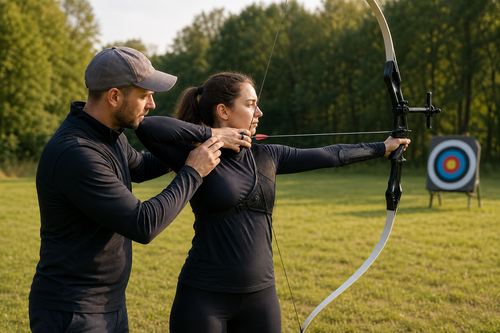
Before you can work on your form, tune your bow, or chase any personal goals, you need somewhere to actually shoot. Finding a suitable range is straightforward once you know where to look — but first-time archers often waste time searching in the wrong places or show up somewhere that does not match their current skill level or equipment. This guide covers every realistic option so you can get on the line faster.
Understanding the Types of Archery Ranges Available
Not all shooting venues are the same. Each type suits a different style of practice, budget, and experience level. Knowing what is available helps you choose the right environment rather than defaulting to whatever is closest.
[product-tabs]
Indoor Ranges
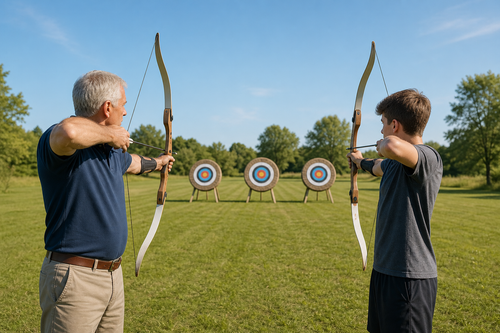
Indoor ranges are climate-controlled, open year-round, and almost always have range officers or staff present. They are ideal for target practice at fixed distances — typically between 18 and 20 metres — and are where most beginners start. Many indoor facilities run beginner lessons, rent equipment, and stock basic supplies on site.
- Best for: Beginners, recurve and compound target archers, cold or wet climates
- Typical distances: 18 to 20 metres
- Cost: Usually a session fee or annual club membership
Outdoor Target Ranges
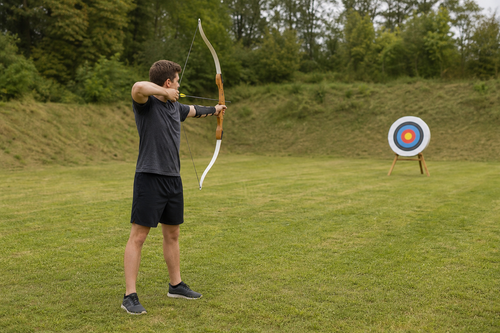
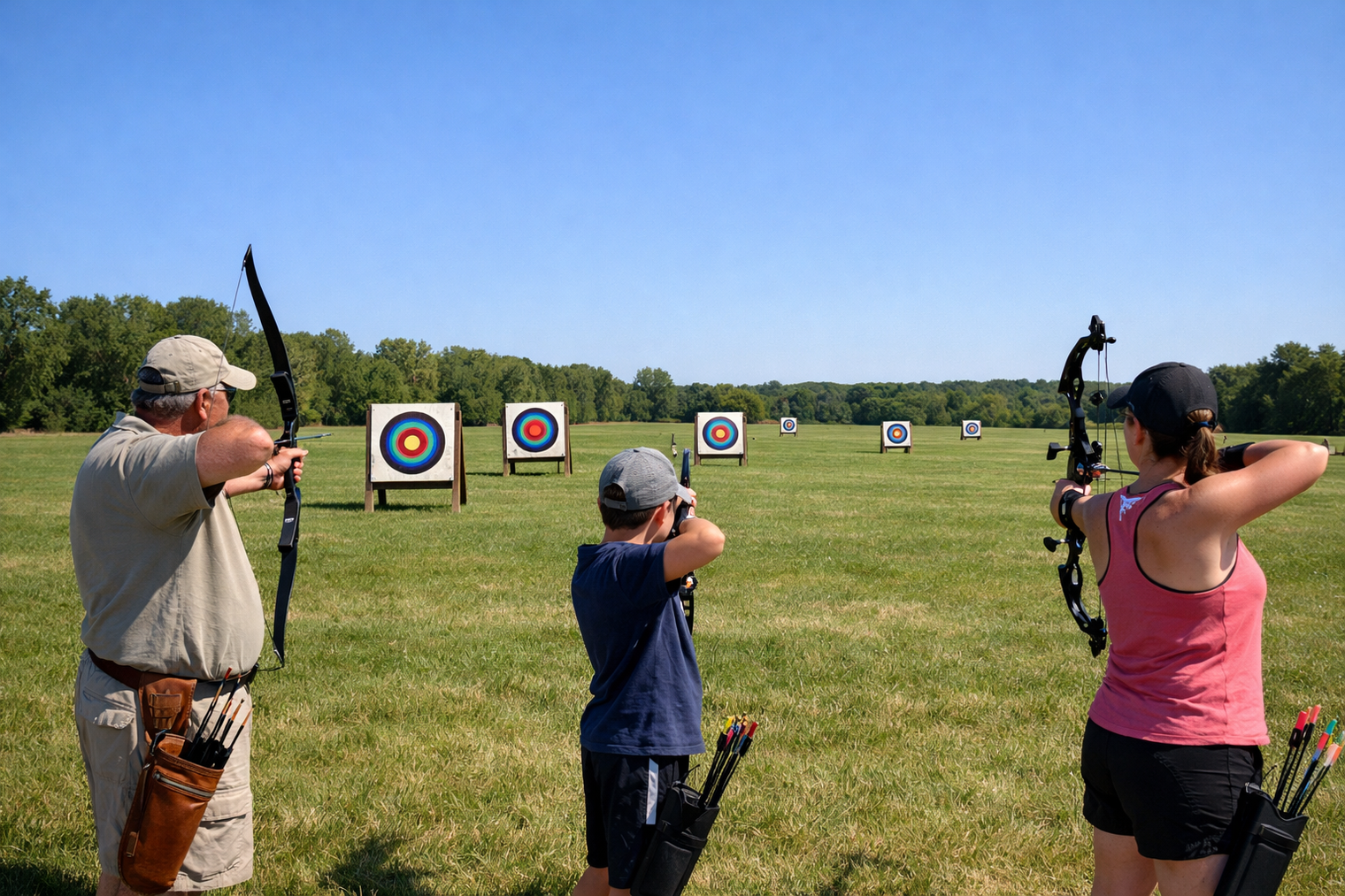
Outdoor ranges extend shooting distances significantly — often up to 90 metres — and expose you to real-world conditions like wind and light variation. These ranges are typically run by archery clubs affiliated with a national body and may require a club membership or temporary visitor fee. Outdoor ranges follow a seasonal calendar in most countries, operating primarily from spring through autumn.
- Best for: Intermediate to advanced archers, Olympic-style recurve, barebow
- Typical distances: 30 to 90 metres
- Cost: Club membership or guest sessions
Field Archery Courses
Field archery takes place across varied terrain — woodland, hillside, or open country — with targets set at unmarked or marked distances. It demands a different skill set from target archery and is growing in popularity. Courses are usually managed by specialist field archery clubs, and many welcome visitors for a day fee.
- Best for: Archers who want a physical and tactical challenge
- Typical distances: Variable, often 5 to 60 metres depending on the course
- Cost: Day permit or club membership
3D Ranges
A 3D range uses life-size foam animal targets placed at unknown distances around a course. Common in bowhunting communities, these ranges help archers develop distance estimation and shooting from unusual angles. Many traditional archery clubs run 3D shoots as standalone events throughout the year.
How to Find an Archery Range Near You
There are several reliable methods for locating a legitimate shooting venue in your area. Use more than one approach to make sure you are not missing a local option.
Use Your National Archery Federation's Club Finder
Most countries have a governing body — such as World Archery member associations — that maintains a searchable database of affiliated clubs. These clubs have met minimum safety and insurance requirements, which matters for a beginner. Search by postcode or region to get a list of registered venues within a set radius.
Search Local Leisure and Recreation Directories
Many municipal parks departments, leisure centres, and recreation trusts host or support archery clubs. A search through your local council's website or a regional leisure directory can surface venues that do not appear in archery-specific searches.
Check Social Media and Local Community Groups
Archery clubs are often active on Facebook groups, local community forums, and platforms like Meetup. Smaller informal groups — barebow circles, traditional archery gatherings — frequently organise through these channels rather than through official directories. Searching for archery in your town name often pulls up active groups quickly.
Ask at an Archery Retailer
Staff at a dedicated archery shop typically know the local shooting landscape well. If you are sourcing outdoor archery supplies, it is worth asking whoever serves you whether they are aware of clubs or ranges in the area. Retailers stay connected to the local community and often host events or maintain a noticeboard.
Public Land and Designated Open Spaces
In some regions, designated public land allows archery subject to local bylaws. This is more common in countries like the United States, where public shooting ranges are managed by state fish and wildlife agencies. Always verify the rules before shooting on public land — requirements around target types, arrow specifications, and permitted zones vary significantly by jurisdiction.
What to Look for When Evaluating a Range
Once you have identified a few options, it is worth assessing them before committing to a membership or making a long journey. Here is what experienced archers typically check:
- Safety infrastructure: Clear backstops, defined shooting lanes, range officers during public sessions
- Appropriate distances for your discipline: A 20-metre indoor range will not help a field archer; a 90-metre outdoor range may not suit a newcomer
- Equipment rental or loaner programmes: Useful if you are still deciding on your setup
- Coaching availability: Particularly important if you are in the first year of shooting
- Community atmosphere: Some clubs are competitive; others are more social. Both are valid, but they suit different archers
- Opening hours: Not all clubs have staffed open sessions every day of the week
Common Mistakes When Searching for a Shooting Venue
These are the most frequent errors new archers make when trying to find somewhere to practice:
- Choosing the closest option without checking discipline fit: A compound archer joining a recurve-only club, or a target archer joining a field-only club, will quickly find their needs are not met
- Shooting on private or restricted land without permission: This creates legal exposure and damages the reputation of the broader archery community
- Assuming any open field is acceptable: Arrow flight zones and minimum backstop requirements exist for a reason. Improvised backyard or park shooting is not a substitute for a proper range
- Not visiting before committing to a membership: Most clubs offer a taster session or guest day. Use it before paying for a full year
- Ignoring insurance requirements: Many clubs require you to hold personal archery insurance as a condition of membership. Check whether your national federation includes this automatically with membership
- Expecting the range to supply all your equipment indefinitely: Rental gear is a starting point, not a long-term solution. Once you are shooting regularly, having your own kit is far more practical
Getting Your Equipment Ready for Range Use
Finding the range is only part of the equation. Turning up with appropriate, well-maintained equipment makes your sessions more productive and keeps you in good standing with club staff. Most ranges have rules around minimum arrow length, broadhead use, and draw weight limits for certain shooting areas.
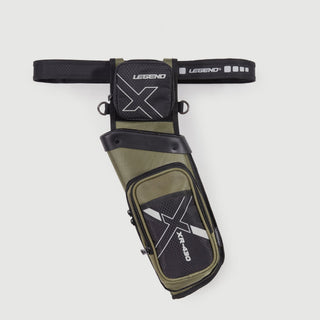
If you are still building your setup or replacing worn components, exploring a broad selection of new archery products is a sensible starting point. Getting the right arrows and accessories for your bow and the distances you plan to shoot will make a noticeable difference in practice quality.
Frequently Asked Questions
Can I shoot archery in a public park or open space?
In most countries, shooting in a general public park is prohibited under local bylaws or safety regulations. Some regions have designated public archery areas on managed land, but these are the exception. Always check local regulations and never assume open space equals permitted shooting space.
Do I need to be a club member to use a range?
Not always. Many clubs offer pay-per-session guest access or supervised open days for non-members. However, regular shooters almost always benefit from membership — both in terms of cost and the coaching and community access that comes with it.
What should I bring to an archery range for the first time?
If the range provides equipment, you typically need closed-toe shoes and comfortable clothing without loose sleeves. If you are bringing your own bow, confirm the range's rules around draw weight, arrow type, and broadhead restrictions before you arrive. A small kit bag with spare nocks, a stringer, and a basic arrow puller is helpful once you are shooting your own equipment.
How far in advance should beginners book a lesson at a range?
This varies by club size and demand. Popular urban clubs often have waiting lists for beginner courses, particularly in spring and autumn when interest spikes. Booking two to four weeks ahead is generally safe, though some clubs accept walk-ins for open sessions.
Is an outdoor range better than an indoor one for beginners?
Most coaches recommend starting indoors. The controlled environment, shorter distances, and consistent lighting allow you to focus on form without additional variables. Moving outdoors is a natural progression once your technique is consistent at close range.
Conclusion
Finding a place to shoot is the practical foundation of any archery journey. Use your national federation's club finder as a first step, cross-reference with local leisure directories, and visit before committing. Match the venue to your discipline, check the safety infrastructure, and make sure you arrive with equipment that meets the range's requirements. The right environment accelerates progress far more than any single piece of gear.