Skip to content
 cust@legendarchery.com
 302 503 5767
 Westfield IN 46074



Archery hunting closes the distance between you and the animal in a way rifle hunting simply cannot replicate. That intimacy is what draws so many hunters to the bow, but it also means the margin for error shrinks dramatically. Whether you're heading out for your first whitetail season or looking to sharpen skills you've built over several years, the fundamentals always deserve a second look.
Why Archery Hunting Is a Different Challenge
Bowhunting operates inside a tight ethical envelope. Effective range is shorter, shot angles matter far more, and animals must typically be within 30 to 40 yards before most hunters should even consider releasing. That proximity puts every variable under the microscope — your scent, your movement, your sound, and your mental composure. A solid understanding of these factors is what separates hunters who fill tags consistently from those who spend every season in "almost" territory.
It's also worth acknowledging that tips for archery hunting are not a one-size-fits-all prescription. Hunting whitetail in a ground blind in the Midwest looks nothing like spot-and-stalk elk hunting in open terrain. The principles below apply broadly, but always adapt them to your specific quarry, habitat, and setup.
Core Principles Every Bowhunter Should Build On
Know Your Effective Range — and Honor It
One of the most important decisions a bowhunter makes is knowing when not to shoot. Your effective range is the distance at which you can consistently hit a target the size of a paper plate under realistic field conditions — not on a calm range day with a perfect stance. That range tends to be shorter than most hunters assume. Practice regularly at distances that push your comfort zone so you know exactly where your ceiling is before the season opens.
Shot Placement Over Everything
An arrow kills through hemorrhage, not hydrostatic shock. This means precise placement into the vital zone is non-negotiable. For most big game, the goal is a double-lung hit — the largest vital target and the one most likely to result in a short, recoverable blood trail. Practicing on 3D targets that show realistic anatomy helps build the mental picture you need when a live animal is standing in front of you at an unusual angle. Steep quartering-away and broadside shots are generally the safest choices. Hard quartering-to angles and head-on shots should almost always be passed.
Scent Control Is Not Optional
Deer and most other big game animals have a sense of smell that operates on a completely different level than our own. A single thermal shift that carries your scent across a travel corridor can end a hunt in seconds. Scent discipline includes:
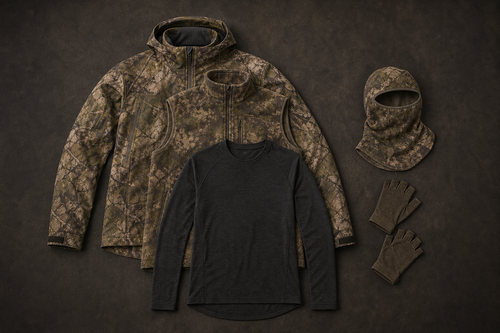
- Washing your clothing and body with unscented or scent-eliminating products before each hunt
- Storing hunting clothes in sealed bags away from household odors like food, fuel, and detergent
- Playing the wind on stand placement — always position yourself so prevailing or thermal winds carry your scent away from where you expect animals to approach
- Minimizing contact with vegetation and the ground on your approach route
Draw Weight and Arrow Setup
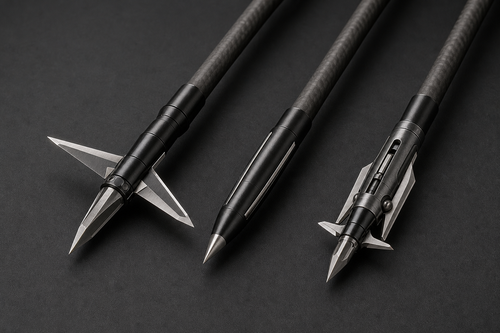
Draw weight affects both penetration and the range at which your setup remains ethical. Most jurisdictions set a legal minimum, but legal minimum and ethical minimum are not the same thing. A draw weight that you can pull back smoothly and quietly under cold, fatigued, or awkward conditions is more valuable than a heavier draw you struggle with. Arrow selection — spine, weight, and point configuration — should match your bow's draw weight and length. A properly tuned arrow flying true is more important than raw speed.
Practical Hunting-Specific Practice
Target archery and bowhunting practice are related but distinct. Hunting scenarios rarely give you a clean, square-on shot from a stable platform. Build your practice to reflect that reality:
- Shoot from elevated positions. If you hunt from a tree stand, practice from an elevated platform at home. The angle changes your anchor point and how you bend at the waist — both of which affect arrow flight.
- Practice in full hunting gear. A bulky jacket sleeve can catch a bowstring. Draw and shoot in the exact clothing you plan to wear before opening day.
- Add stress to your sessions. Do physical exercise before drawing, practice holding at full draw for several seconds, or use a timer. Animals don't stand perfectly still while you compose yourself.
- Practice at unknown distances. Range estimation is a skill that takes time to build. Walk a field course without a rangefinder occasionally so you develop better instincts.
- Simulate awkward positions. Kneeling shots, shots from a seated position, and shots through a narrow shooting lane all show up in real hunting scenarios far more than the clean standing shot you practice most.
Field Preparation and Gear Organization
Arriving at your hunting location with gear that's ready, organized, and silent matters more than most beginners expect. Rattling equipment, an arrow that falls from a quiver at the wrong moment, or a forgotten rangefinder in the truck can derail an otherwise perfect setup. A pre-hunt gear check is a simple habit that pays off repeatedly over a season.
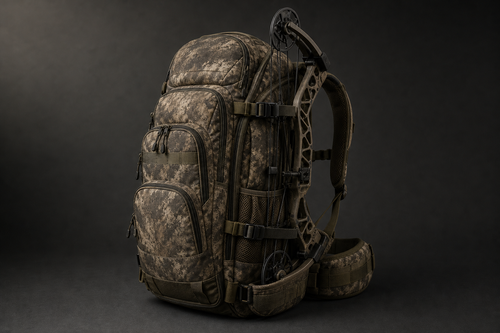
Carrying your equipment into the field efficiently also affects how fresh and focused you arrive at your stand. A well-designed hunting backpack keeps your essentials organized and accessible without adding unnecessary bulk or noise. Think about how you'll access your calls, rangefinder, and additional arrows without having to dig through a disorganized bag in low light or cold conditions.
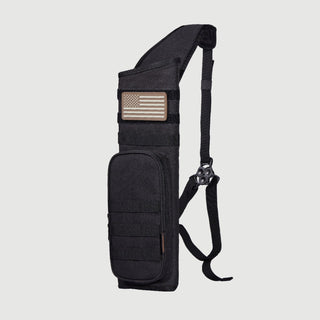
Beyond the pack, your quiver setup deserves attention. A quiver that holds arrows securely and silently — and lets you nock a second arrow quickly if needed — is a practical piece of equipment rather than an afterthought. Browse archery accessories designed with field use in mind when building out your hunting kit.
Common Mistakes Bowhunters Make
- Shooting too far. Excitement and optimism push many hunters to release at distances beyond their consistent accuracy. Know your real limit, not your best-day limit.
- Skipping the bow tune after travel. A bow that takes a rough trip in a vehicle or through the field can shift slightly. Verify your setup is still tuned before the hunt begins.
- Neglecting approach routes. Busting an animal on the way to your stand is just as costly as making a mistake at full draw. Scout and clear quiet walking routes well before season.
- Over-calling or over-rattling. Calling can be a powerful tool, but animals that have been pressured quickly learn to associate calls with danger. Use calling techniques strategically and sparingly.
- Poor blood trailing habits. Mark the exact spot where the animal was standing at the shot and wait the appropriate amount of time before tracking — even if you're confident in the hit. Pushing a wounded animal prematurely is one of the most common recovery failures in bowhunting.
- Ignoring wind on stand entry and exit. Wind discipline doesn't end when you climb into your stand. Consider how you'll exit without alerting animals that may be in the area for evening feeding.
Frequently Asked Questions
How close do you really need to be for a clean shot with a bow?
Most experienced bowhunters set a personal maximum between 30 and 50 yards for big game, depending on their skill level, the animal's size, and the shot angle available. That number should come from honest field practice under realistic conditions, not from your best day at a calm range. Closer is almost always better — 20 yards with a good angle is preferable to 45 yards with a marginal one.
Does draw weight make a big difference for hunting?
Draw weight affects penetration, which matters for ethical kills, especially on larger animals or when shooting through the shoulder blade. Most jurisdictions have a legal minimum, and most experienced hunters recommend erring above it for big game. That said, a draw weight you can pull smoothly and silently under cold or fatigued conditions is more valuable than a heavier bow you struggle to control. Fit your draw weight to your actual physical condition during hunting season, not your best gym day.
What's the biggest mistake beginners make when starting bowhunting?
Underestimating how different hunting scenarios are from range practice. Shooting at a paper target on a calm afternoon doesn't replicate an elevated shot at a moving animal while your heart rate is elevated and your hands are cold. Beginners who bridge that gap deliberately — by practicing in field conditions before the season — consistently outperform those who only practice in ideal settings.
How do I practice if I don't have access to a 3D range?
A standard bag or block target at varied distances covers most of the fundamentals. Add in elevated shooting if you hunt from stands, and use a life-size deer target image pinned to your bag to practice visualizing the vital zone. The goal is building a precise mental picture of where to aim on a real animal, which a plain bullseye target doesn't develop as well.
Getting the Details Right Before Season Opens
The archers who hunt consistently well are rarely the ones with the most expensive gear — they're the ones who prepare honestly, practice deliberately, and make disciplined decisions in the field. Start your pre-season preparation early, fix the gaps in your setup before opening day, and keep your gear organized and ready. If you're building out your hunting kit, Legend Archery's bow case collection carries a range of field-focused accessories worth exploring.