Skip to content
 cust@legendarchery.com
 302 503 5767
 Westfield IN 46074



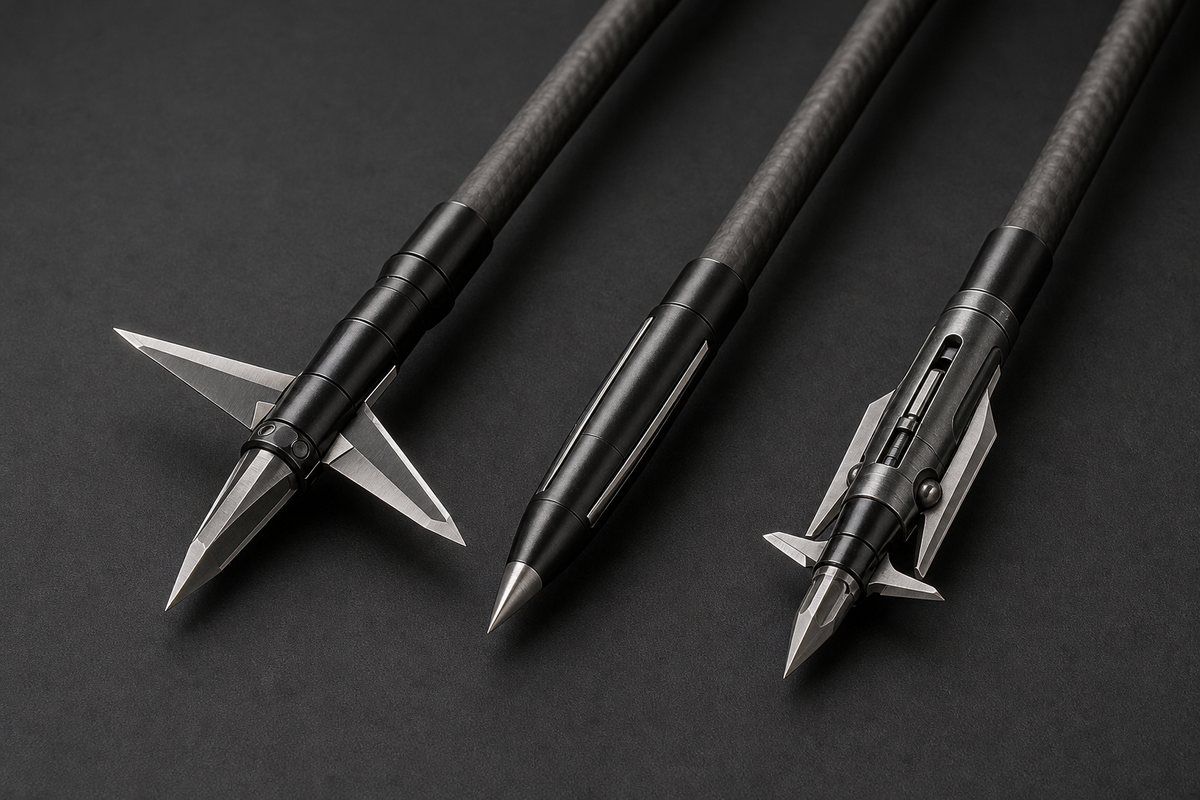
Selecting the right bow hunting broadhead is one of the most consequential decisions a bowhunter makes before a season. Unlike target points, broadheads interact with wind, arrow spine, and animal anatomy in ways that directly affect shot placement and clean recovery. Getting this choice wrong costs more than money — it costs the hunt.
Why Broadhead Selection Actually Matters
Many hunters focus heavily on their bow setup — draw weight, arrow spine, release — and then treat broadhead selection as an afterthought. That is a mistake. A broadhead that flies differently from your field points will cause misses at hunting distances, and one that is poorly matched to your draw weight or arrow weight can result in insufficient penetration on medium to large game.
Beyond accuracy, broadhead design determines the size and nature of the wound channel. A well-chosen head that flies true and delivers consistent penetration creates faster, cleaner recovery. That is the foundation of ethical bowhunting — and it starts with understanding your options.
The Three Main Broadhead Categories
Every broadhead on the market falls into one of three broad categories. Understanding what separates them helps you make a decision based on your bow setup, hunting conditions, and target species rather than marketing language.
Fixed Blade Broadheads
Fixed blade heads have blades that are permanently set and do not move on impact. They are generally considered the most reliable design in terms of structural integrity. Because there are no moving parts, there is nothing to fail at the moment of impact — a meaningful advantage when hunting heavier game or when a shot hits bone.
- Strengths: Durability, reliability, strong penetration through dense material, easier to sharpen and maintain.
- Trade-offs: Fixed blades are more sensitive to arrow flight. If your arrow spine is even slightly off or your rest is not tuned precisely, a fixed blade head will amplify that inconsistency in flight.
- Best suited for: Archers with well-tuned setups, traditional shooters, and hunters targeting tough, thick-skinned game where deep penetration is the priority.
Mechanical (Expandable) Broadheads
Mechanical broadheads fly in a closed position — similar in profile to a field point — and open on impact, either by rear-deploying or front-deploying blades. Their closed profile during flight makes them forgiving of minor tuning inconsistencies and generally easier to shoot accurately at hunting distances.
- Strengths: Excellent flight consistency, larger wound channels due to wider cutting diameter, minimal adjustment needed from field point accuracy.
- Trade-offs: Moving parts introduce a point of potential failure. Energy is consumed opening the blades, which can reduce penetration on heavy muscle or when hitting the shoulder. Draw weight matters more here.
- Best suited for: Hunters with moderate draw weights shooting at whitetail-sized game, or those who want consistent accuracy at longer distances.
Hybrid Broadheads
Hybrid designs combine fixed and mechanical elements — typically a smaller fixed blade paired with rear-deploying mechanical blades. The goal is to capture the flight stability of a fixed design while increasing cutting diameter on impact.
- Strengths: Balanced trade-off between flight and wound channel performance.
- Trade-offs: More complex mechanically than pure fixed designs, and the performance gains over quality fixed blades are debated among experienced hunters.
- Best suited for: Hunters who want reliability without sacrificing cutting diameter, particularly on medium-sized game.
Key Factors to Evaluate Before Buying
Broadhead selection is not one-size-fits-all. The right choice depends on several factors specific to your setup and hunting situation.
Arrow Weight and Draw Weight Compatibility
Mechanical broadheads require more kinetic energy to reliably open and still penetrate. If your draw weight is on the lower end — say under 50 pounds — a fixed blade head generally delivers more consistent terminal performance. Heavier arrows carry more momentum, which matters more than raw speed when driving a broadhead through bone and tissue.
Cutting Diameter
A larger cutting diameter creates a wider wound channel and potentially a better blood trail. However, larger mechanical blades require more energy to open and can stall in heavy muscle. For most hunting scenarios with medium game, cutting diameters between 1.25 and 1.75 inches represent a practical range.
Blade Sharpness and Maintenance
A broadhead that arrives from the factory sharp will outperform a dull one regardless of design category. Many hunters underestimate how much blade sharpness contributes to penetration. Fixed blades can be resharpened; most mechanical blades are replaced as a unit. Factor this into your long-term cost of hunting.
Flight Testing
Before any hunt, shoot your chosen broadheads at practice distance alongside field points. If the groups diverge significantly, the issue is either tuning or a mismatch between your setup and that broadhead style. Never assume your broadheads fly the same as your field points without confirming it.
Matching Broadheads to Game and Conditions
The species you are hunting and the terrain you hunt in should inform your broadhead choice as much as your bow setup does.
- Whitetail and similar medium game: Both mechanical and fixed designs perform well here. Mechanicals are popular because of their forgiving flight and large wound channels on relatively thin-skinned animals.
- Elk, moose, and larger game: Deep penetration becomes the priority. Fixed blade heads — particularly heavier ones — are preferred by experienced hunters pursuing larger ungulates, especially when quartering-away shots or shoulder penetration are likely.
- Hog hunting: Hogs have a tough cartilage shield and dense muscle structure. Heavy, fixed blades with robust ferrules are the standard recommendation for penetrating reliably.
- Long-range shots or open country: Mechanicals with a low-profile closed position often shoot more consistently at longer distances due to reduced wind drag.
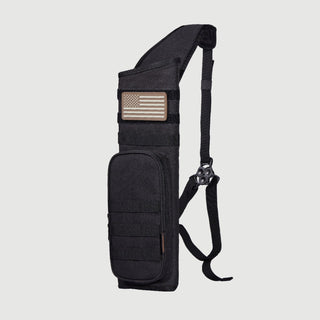
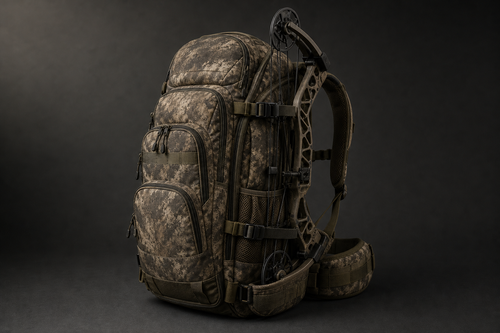
For hunters assembling their full kit — from protective cases to quivers — exploring quality bow hunting accessories alongside broadhead selection helps ensure the whole system is ready for the field.
Common Mistakes Bowhunters Make with Broadheads
- Not testing broadhead flight separately from field points. Many hunters go into the season assuming their broadheads hit the same point of impact. They often do not.
- Choosing based on cutting diameter alone. A wide mechanical that stalls in muscle is less effective than a narrower fixed blade that passes clean through.
- Ignoring arrow tuning before switching broadheads. Broadhead issues are often really arrow flight issues. Paper tune or walk-back tune your setup before diagnosing the broadhead.
- Using blunt or damaged broadheads. Inspect blades before every hunt. A blade that rolled during storage or a previous session will not perform reliably.
- Mismatching draw weight with mechanical designs. Running mechanicals at low draw weights without confirming penetration depth in a foam target is a recipe for poor field performance.
- Buying cheap to save money on a single critical component. Broadheads are the only piece of equipment that actually harvests the animal. This is not the place to cut corners.
Frequently Asked Questions
What exactly is a broadhead and how does it differ from a field point?
A broadhead is a bladed hunting arrowhead, where a field point is a plain tip for target practice; see our broadhead glossary entry for the full definition.
Does broadhead choice really affect accuracy that much?
Yes, significantly. Fixed blade broadheads are particularly sensitive to arrow spine and bow tuning because their exposed blades act like vanes in flight, responding to any instability in the arrow. Mechanicals are more forgiving because they close during flight, but even they can plane or steer off-course if arrow flight is inconsistent.
What mistakes do beginners typically make when buying their first broadheads?
The most common beginner mistake is choosing a broadhead based on price or cutting diameter without considering compatibility with their draw weight and arrow spine. Another frequent error is not shooting broadheads in practice before the season — assuming they will fly identically to field points.
How do I know if my broadhead is actually sharp enough?
A sharp broadhead blade should shave arm hair cleanly without pressure. If it does not, it needs sharpening or replacement before the hunt. Factory sharpness varies between brands and models, so always check before storing and again before hunting.
Putting It Together
Choosing a bow hunting broadhead comes down to understanding your bow's output, the game you are pursuing, and how much tuning work you are willing to do. Fixed blades reward a well-tuned setup with reliable, deep penetration. Mechanicals reward hunters who want forgiving flight with large cutting diameters. Neither is universally better — context determines the right call. Invest in quality, test your setup thoroughly, and treat broadhead selection as seriously as every other component of your hunting kit.