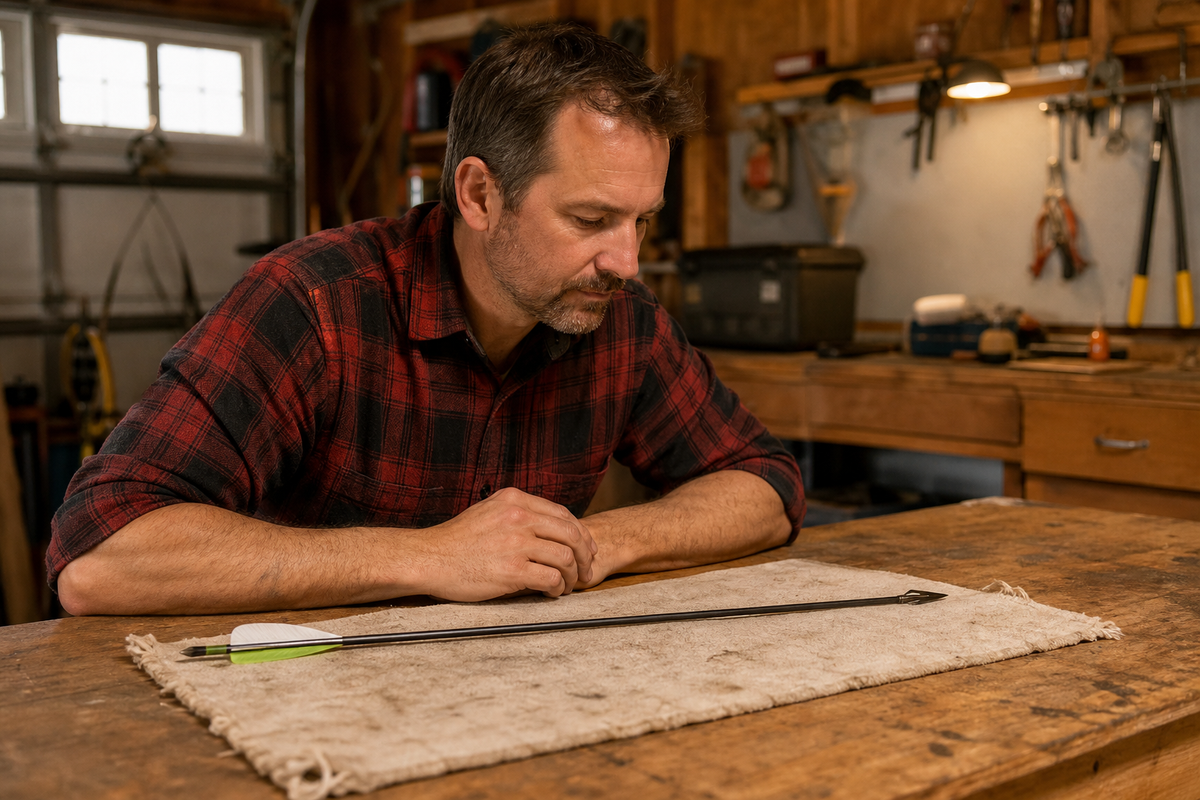
Mechanical broadheads are precise, high-performance hunting points, and that precision comes with responsibility. The blades are razor-sharp, the deployment mechanisms are sensitive, and poor handling or neglected maintenance can compromise both safety and terminal performance downrange. Whether you are new to expandable heads or simply want to tighten up your routine, understanding the fundamentals of safe handling and regular upkeep is worth your time before the season opens.
Why Safe Handling and Maintenance Matter
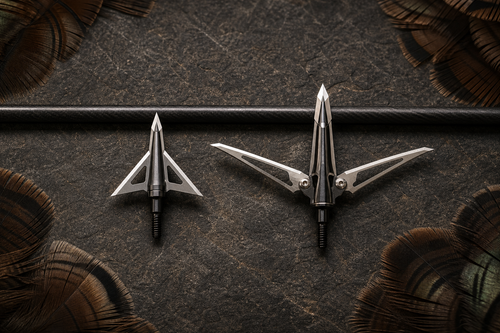
Unlike field points or fixed-blade heads, expandable broadheads have moving parts. Those moving parts — typically hinged or sliding blades designed to open on impact — can be triggered unintentionally if the head is bumped, dropped, or handled carelessly. A partially deployed blade on an arrow being loaded or drawn is a serious injury risk. Beyond personal safety, a blade that opens too early or fails to open fully on impact defeats the purpose of using an expandable head in the first place.
Maintenance matters for a second reason: performance consistency. Blades that are dull, corroded, or misaligned will not deploy uniformly. A head that worked perfectly last October may not perform the same way if it has been rattling around in a tackle box for eleven months. Building a simple inspection and care habit protects both the shooter and the investment in quality equipment.
If you want to understand how mechanical blades are designed to function at a fundamental level, reviewing the core mechanics before diving into maintenance helps everything make more sense.
Core Safety Principles for Expandable Broadheads
Always Treat Blades as Live Edges
The first rule is simple: treat every broadhead as sharp and ready to cut, even when you believe the blades are safely retracted. Many hunters have been cut while reaching into a quiver or handling an arrow without looking first. Use a broadhead wrench whenever you are threading or unthreading a head from an arrow shaft. Never grip the ferrule bare-handed and spin the shaft. A wrench keeps your fingers away from the blade path and gives you proper torque control.
Use the Right Quiver and Arrow Storage
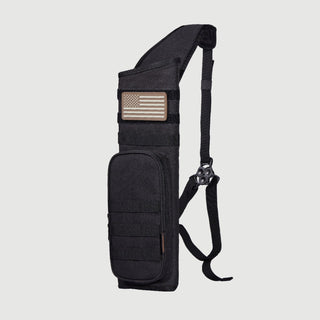
An arrow tipped with an expandable head needs a quiver that holds the head securely and covers the blades. Hip quivers with open front pockets are risky for mechanical heads — the blades can snag on vegetation or other arrows. A bow-mounted quiver with individual foam grippers or a dedicated arrow tube provides the kind of controlled environment that keeps blades retracted and protected during transport and in the field.
For longer hauls to and from camp or on travel days, purpose-built arrow tubes or a padded archery bag offer an additional layer of protection, keeping shafts from shifting and preventing accidental blade contact with other gear.
Never Nock an Arrow Until You Are Ready to Draw
This habit applies to all archery, but it is especially relevant with mechanical heads. A nocked arrow can be knocked off a rest or dropped, causing a blade to open or a head to strike a hard surface. Keep the arrow in the quiver until you are settled, your target is confirmed, and you are ready to draw. This is not just a safety consideration — it is also a maintenance one, since repeated impacts from drops can bend blade retention systems and cause inconsistent deployment.
Practical Maintenance Guidance
Pre-Season Inspection Checklist
Before the season begins, go through every expandable head you plan to use and check the following:
- Blade sharpness: Run your thumbnail lightly across each blade edge. A sharp blade will catch and drag slightly. A dull edge slides cleanly. Dull blades need to be replaced, not just touched up — most mechanical heads use replaceable blade inserts specifically for this reason.
- Blade retention: With the head off the arrow, manually open and close the blades several times. They should snap back into the retracted position cleanly and consistently with no wobble or hesitation.
- O-rings and retention bands: Many designs use a small rubber O-ring or band to hold blades closed. Check that these are intact, seated correctly, and not cracked or brittle from age or UV exposure. Replace them if there is any doubt — they are inexpensive and critical.
- Ferrule threads: Inspect the threads on the ferrule and the insert in your arrow shaft. Cross-threaded or damaged threads cause the head to sit at an angle, which affects flight and can cause the blades to open unevenly.
- Corrosion: Any rust or pitting on blade surfaces or the ferrule body is a sign the head should be retired. Surface corrosion weakens steel and creates uneven drag on deployment.
Mid-Season and Post-Shot Inspection
After any shot — whether the arrow is recovered clean or bloodied — inspect the head before reuse. A head that has passed through an animal or struck the ground may have bent blades, damaged retention components, or debris packed into the ferrule body. If blades do not close smoothly by hand after a shot, replace the blade inserts before shooting that head again. Never assume a used head is field-ready without checking it.
Clean recovered broadheads promptly. Blood and organic material are corrosive and will degrade steel quickly if left on the blades. Rinse with warm water, dry thoroughly, and apply a very light coat of oil to the blade surfaces before storage. Avoid petroleum-based lubricants inside the ferrule body, as residue can gum up the deployment mechanism.
Storing Expandable Heads Off-Season
Off-season storage is where many hunters introduce problems without realizing it. Heads left in a hot vehicle, stored in a damp area, or packed loosely with other metal gear will show wear and corrosion by the time you pull them out the following year. Store heads in a dry, temperature-stable location, ideally in a small case or the original packaging, with blades retracted and O-rings in place.
Label heads that need blade replacement so they are not accidentally used without being serviced first. A simple piece of tape marked with a felt-tip pen is enough.
Common Mistakes to Avoid
- Reusing blades that are past their edge: Dull blades are not just less lethal — they can deflect unpredictably on contact with hide or bone, causing incomplete deployment.
- Over-tightening the ferrule: Cranking a broadhead down with excessive force can distort the ferrule, misalign the blades, and damage the arrow insert. Snug and secure is correct. Overtightened is a problem.
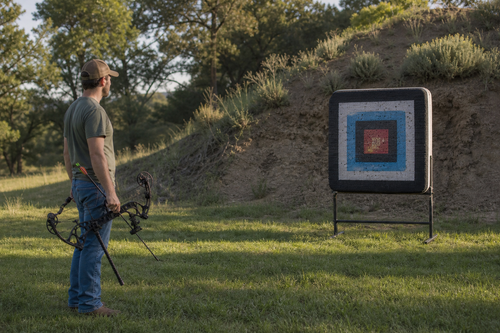
- Skipping flight testing before the season: Expandable heads fly differently than field points in many cases. Always shoot a practice head of the same model and weight to confirm your point of impact before hunting season. Never assume last year's tune is still dialed in.
- Mixing blade generations or brands: Replacement blade inserts are model-specific. Using blades intended for a different head — even from the same manufacturer — can result in poor retention, uneven deployment, or blades that do not seat correctly in the ferrule.
- Ignoring the O-ring: This small component does a lot of work. A missing or degraded O-ring is one of the most common causes of premature blade deployment. It costs almost nothing to replace and should be part of every pre-season inspection.
- Carrying broadhead-tipped arrows loosely in a pack: Loose arrows with live blades are a cut risk every time you reach into the bag. Use a purpose-built arrow tube or quiver that secures each shaft individually.
Frequently Asked Questions
How do mechanical broadheads actually open, and why does that matter for maintenance?
Most expandable heads use either a rear-deploying or front-deploying blade design. In both cases, the blade is held closed by a small retention component — an O-ring, a clip, or a band — and opens from the kinetic energy of impact. Because the deployment depends on that retention component working correctly, its condition is the most maintenance-critical part of the head. A worn or missing retention piece means the blade may open prematurely in flight or fail to open fully on impact.
How often should I replace the blades on my expandable heads?
Replace blades after every shot that makes contact with an animal. Even if the blade looks intact, the edge is likely dulled and the steel may be stressed from impact. For practice, use dedicated practice blades or field points of matching weight rather than hunting blades. Replace any blade that fails the thumbnail sharpness test during pre-season inspection, regardless of how many shots it has seen.
Can I sharpen mechanical broadhead blades rather than replacing them?
Some thicker, one-piece expandable blade designs can be touched up with a broadhead sharpener, but most thin, replaceable blade inserts are not cost-effective to sharpen and are designed for single-use or limited reuse. Check the manufacturer's recommendation for the specific model you are using. If the blade material is thin enough to flex during sharpening, it is better replaced than sharpened.
What's the safest way to remove a broadhead from an arrow after hunting season?
Use a broadhead wrench. Hold the arrow shaft firmly — ideally in a vise block or against a stable surface — and use the wrench to unthread the head with a slow, controlled motion. Keep fingers and other body parts out of the blade path. Once removed, retract the blades manually and secure the O-ring before placing the head in storage. Never unthread a broadhead freehand.
Final Thoughts
Caring for expandable broadheads is not complicated, but it does require consistency. A methodical pre-season check, proper storage habits, and a strict replacement schedule for blades and O-rings will keep your equipment performing reliably and keep you safe every time you handle it. Build the habit now, and it becomes automatic well before you need it in the field.