Broadheads behave differently once they leave a crossbow than they do off a compound bow. Crossbows generate higher kinetic energy and shoot at tighter tolerances, so blade style, grain weight, and setup all have a real effect on downrange accuracy and how the head performs on impact. Here's how fixed-blade, mechanical, and hybrid broadheads actually work, and how to set yours up correctly.
What Affects Broadhead Performance on a Crossbow
Before comparing blade styles, it helps to understand the basics of how your setup interacts with a broadhead. Two variables matter more than anything else:
- Kinetic energy and speed: Modern crossbows can push bolts well past 400 feet per second. Not every broadhead is designed to handle that kind of energy without the blades deploying prematurely or the ferrule failing on impact.
- Bolt spine and weight: A broadhead adds front-of-center (FOC) weight to your bolt. Heavier broadheads shift FOC forward, which generally improves stability in flight but may require a re-tune of your setup.
- Thread compatibility: Most crossbow bolts accept a standard 8-32 thread insert, but always verify before installing one. A mismatch here makes the broadhead unusable.
- Manufacturer guidance: Some crossbow manufacturers specify a minimum or maximum grain weight. Check your owner's manual — using an out-of-spec broadhead can void a warranty or cause equipment damage.
Main Types and How They Differ
Broadheads fall into two primary categories, with a third hybrid option sitting between them. Understanding how each works mechanically helps you match the right design to your hunting goals.
Fixed-Blade Broadheads
Fixed-blade designs have blades that are permanently open — there are no moving parts. This gives them a reputation for reliability and deep penetration because all kinetic energy transfers directly into the target rather than being spent opening the blades. The trade-off is aerodynamic drag. Because the blades are exposed, they interact with crosswind and any tuning imperfections more aggressively than a field point would. For crossbows specifically, this means a fixed-blade head demands a well-tuned bolt and consistent shooting form to group tightly at distance.
Fixed blades come in two sub-styles: cut-on-contact designs, where the tip initiates the cut immediately, and chisel-tip designs, which punch through bone more effectively. Hunters pursuing elk, bear, or other large-bodied game often rely on fixed blades for their structural integrity and reliable wound channels.
Mechanical (Expandable) Broadheads
Mechanical broadheads keep their blades folded during flight, opening on contact with the target. Because the profile is closer to a field point while in the air, they tend to fly more predictably at crossbow speeds and require less tuning adjustment from your practice configuration. The expanded cutting diameter on most mechanical heads is also larger than a fixed-blade equivalent, which creates a wider wound channel on deer-sized game.
The engineering challenge for mechanicals at crossbow speeds is blade deployment reliability. At very high velocities, some older or lower-quality mechanical designs can partially deploy mid-flight or fail to fully open on impact. Look for designs specifically rated for the speed range your crossbow produces.
Hybrid Broadheads
Hybrid designs combine a small fixed-blade configuration with expandable rear blades. The intent is to offer cut-on-contact reliability while still producing a wide wound channel. They occupy a middle ground in both performance and price, and they suit hunters who want some of both worlds without committing fully to either design philosophy.
A Few Specs Worth Understanding
A handful of specs affect how a broadhead performs once it's mounted: grain weight (commonly 100 or 125 grain) shifts front-of-center balance and trajectory, cutting diameter affects wound channel width and drag on fixed designs, ferrule material (solid aluminum or stainless steel handle crossbow energy better than plastic or pot-metal) determines how well the head survives impact, and blade material affects how long an edge holds up. For mechanical heads, the speed rating matters more than any other single spec at crossbow velocities.
Setting Up and Checking Your Broadheads
Even a well-engineered broadhead performs poorly if it's not installed correctly. A few quick steps before the season starts save a lot of frustration in the field:
- Spin test every head: Thread each broadhead onto a bolt and spin it on your fingertip or a broadhead spinner. Any visible wobble indicates a bent ferrule or a flawed insert — that head will not fly true.
- Torque the ferrule correctly: Hand-tight is not enough; a loose ferrule can unthread on impact. Use a broadhead wrench if the design calls for one, but don't overtighten to the point of deforming the insert.
- Shoot at least a few rounds at distance: Even if you're using practice versions of your hunting broadheads, confirm your point of impact with the actual hunting heads at your expected shooting distance before the season opens.
- Inspect blades before each hunt: Nicks, rolled edges, or corrosion reduce penetration. A blade that looks acceptable in low light may be compromised.
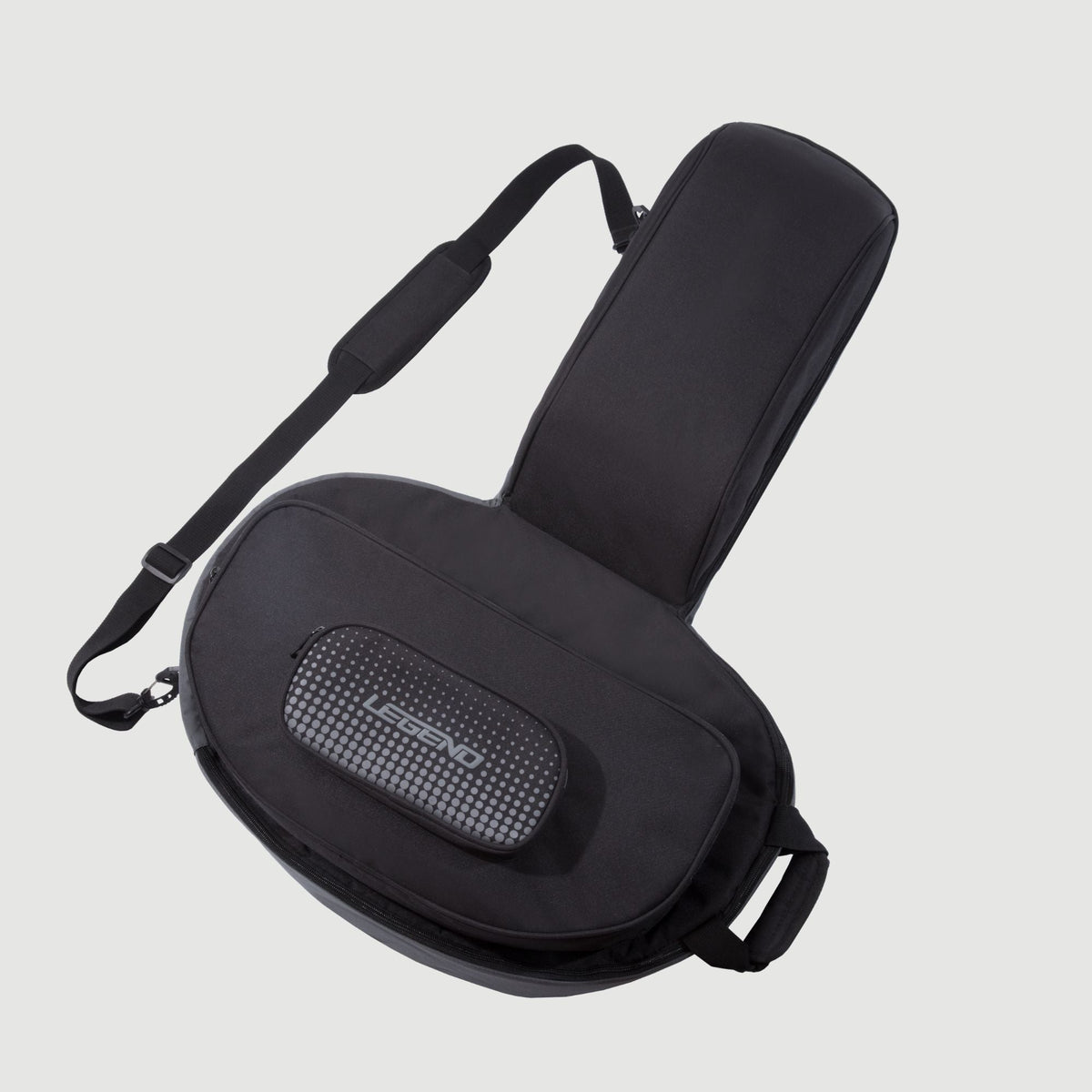
Keeping your crossbow gear organized and protected between uses pays off here. If you're transporting your setup to a hunting location, a well-designed case like the Heron Crossbow Case keeps your crossbow and accessories secure and accessible, so your gear arrives in the same condition it left.
Common Setup and Tuning Mistakes
- Focusing on cutting diameter alone: A larger cut means nothing if the head doesn't deploy reliably at your crossbow's speed or if blade drag wrecks your groupings.
- Skipping the speed rating check: Mechanical heads not rated for high-speed crossbows are a common source of poor performance. This is the single most overlooked spec.
- Not shooting broadheads before the season: Field point groups and broadhead groups rarely land in exactly the same place. Finding out during a hunt is too late.
- Using a grain weight that doesn't match the bolt: Mixing a very heavy broadhead with a lightweight bolt throws off FOC and overall trajectory. Build the system as a whole.
- Ignoring blade replacement options: A broadhead that offers no replacement blades becomes a full replacement cost after every use. Factor that into the real per-hunt cost.
- Prioritizing price over ferrule quality: A cheap ferrule is the fastest way to a bent or failed broadhead at the worst possible moment. The ferrule is the structural backbone — don't cut corners there.
If you're still building out your gear list, browsing Legend's best sellers is a practical way to see what crossbow accessories other hunters are relying on.
Frequently Asked Questions
What affects how well a broadhead performs on a crossbow?
Speed compatibility matters most — confirm the head is rated for your crossbow's velocity. Ferrule material, blade sharpness, grain weight relative to your bolt setup, and whether practice versions are available all affect real-world performance. Flight consistency from your specific bolt is the final test.
Do mechanical broadheads actually work well at crossbow speeds?
Yes, when the design is specifically rated for crossbow use. The key is confirming the deployment mechanism is rated for high-speed performance. Heads designed for slower compound setups may deploy prematurely or inconsistently out of a modern crossbow.
What are common broadhead setup mistakes for crossbow hunters?
The most common are skipping the speed rating check on mechanical heads, not shooting broadheads before the season to verify point of impact, and using a grain weight that doesn't account for bolt spine and total system weight. Focusing on cutting diameter alone, without checking ferrule quality, is another frequent error.
Which broadhead type is easier for a beginner to shoot accurately?
A crossbow-rated mechanical broadhead tends to be more forgiving when starting out. Its flight path is closer to a field point, tuning demands are lower, and the wider wound channel helps compensate for shot placement while technique is still developing.
Conclusion
How a broadhead performs on your crossbow comes down to matching blade design and grain weight to your specific setup, confirming speed compatibility, and shooting your hunting configuration before the season opens. Take care of those fundamentals and the choice between fixed and mechanical becomes a matter of personal preference and game type rather than a guessing game. Store and transport your crossbow setup properly — your broadheads and your bow both deserve it.