Skip to content
 cust@legendarchery.com
 302 503 5767
 Westfield IN 46074



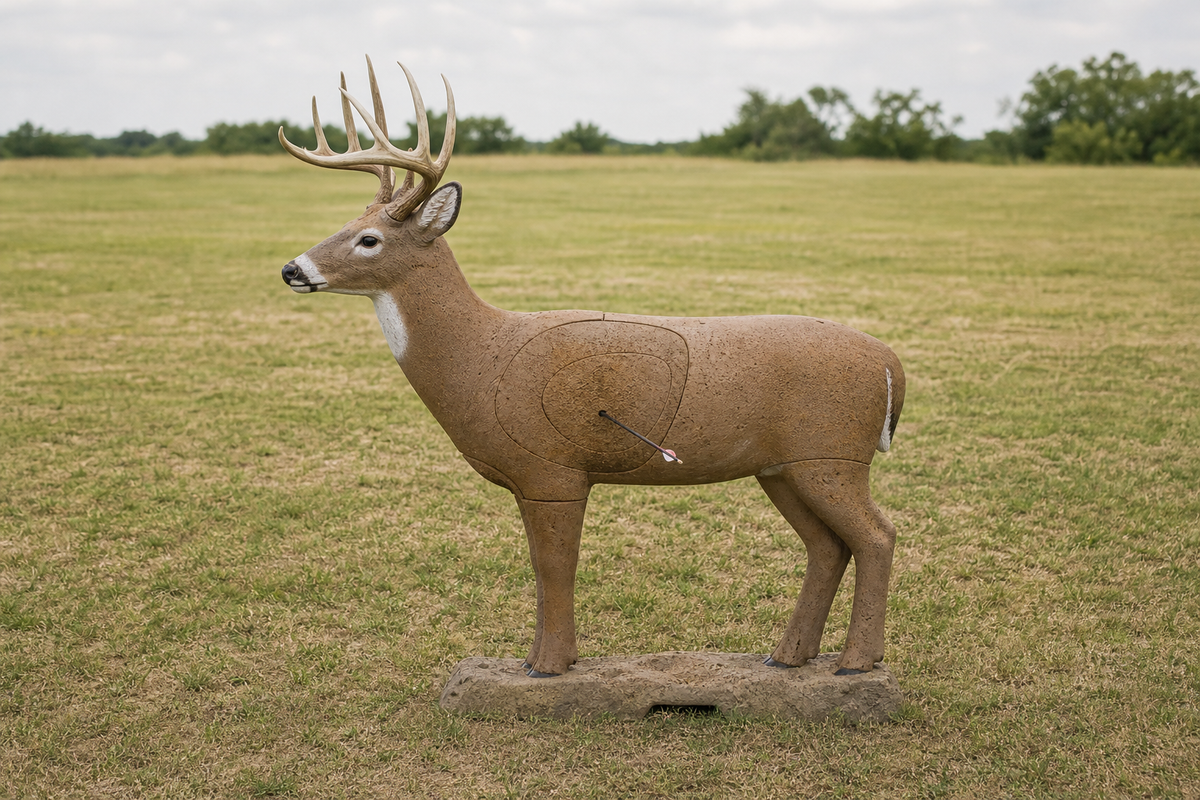
Practicing on a flat foam block or paper face is useful, but it does not prepare you for the angles, distances, and decision-making that come with a real deer scenario. A deer-shaped practice target adds a layer of realism that changes the way you train. Whether you are a bowhunter preparing for season or a 3D archery enthusiast chasing accuracy, understanding how to choose and use one properly makes a measurable difference in your results.
Why Deer-Shaped Targets Change the Way You Practice
A standard bullseye face trains you to aim at a single, clearly marked point. A deer-shaped target removes that convenience. You are forced to identify the vital zone yourself, account for body angle, and commit to a precise aiming point without an obvious reference mark. This is exactly what happens in the field or on a 3D archery course.
The mental discipline built through this type of practice is difficult to replicate any other way. Over time, archers who regularly shoot at anatomically shaped targets develop faster, more reliable shot selection. They learn where not to shoot — quartering-toward and head-on presentations — just as much as where to aim when the angle is right.
Types of Deer Targets Worth Understanding
3D Foam Targets
Three-dimensional deer targets are molded from self-healing foam and represent the full body of a deer in a specific pose — standing broadside, walking, feeding, or alert. The best-quality foam compounds allow arrows to be removed without destroying the target face, and the vital zone insert can often be replaced separately, extending the overall life of the target significantly.
- Replaceable cores: Look for targets where the heart-lung insert is a separate piece. This is the highest-impact zone and will wear out long before the rest of the body.
- Pose variety: A broadside standing deer is the most common pose, but quartering-away and quartering-toward poses add genuine training value for shot angle judgment.
- Size and weight: Full-size 3D deer targets are bulky. Consider how you will transport and store yours before purchasing. Smaller, lighter targets work well for backyard practice but may not replicate the visual scale of a real animal.
Bag and Block Targets with Deer Faces
Some archers prefer a two-dimensional deer face printed on a bag or layered foam block. These are lighter, more portable, and often more durable under high shot volumes. The trade-off is that you lose the depth cues a 3D model provides. For pure shot placement drilling at a fixed distance, a printed deer face on a quality archery target surface is a practical and cost-effective option.
Layered Foam Targets
High-density layered foam targets are primarily designed for stopping power across a broad range of draw weights and arrow types. Some are available with a deer vital-zone face attached or printed directly onto the surface. These tend to last longer under repeated shooting than solid foam 3D models, making them a strong choice for archers who practice frequently at home.
Key Criteria When Choosing a Deer Target
Before selecting a target, consider how you actually plan to use it. The right target for a bowhunter running through pre-season preparation looks different from the right target for someone shooting a 3D archery league every weekend.
- Arrow compatibility: Carbon arrows with small-diameter shafts behave differently in foam than aluminum arrows. Check that the target material suits your setup. Over-penetration in lightweight foam can damage fletching and make arrow removal frustrating.
- Draw weight range: Targets have a maximum effective draw weight. Shooting above it causes arrows to pass through or embed deeply enough to damage the foam structure. Always check the manufacturer's stated range.
- Outdoor durability: If the target will live outside, UV resistance and water drainage matter. Foam that saturates with water becomes heavy and degrades faster.
- Stability: A full-size 3D deer target can tip over in wind or after an arrow strike if it is not supported correctly. A proper archery target stand or weighted base keeps it in position and protects the base of the target from ground moisture.
- Vital zone visibility: Some 3D targets have a faint outline or color variation indicating the vital zone; others leave it completely unmarked. Beginners often benefit from a subtle reference point early in their training before moving to completely unmarked versions.
How to Get the Most from Your Practice Sessions
Owning a quality deer target is only part of the equation. How you structure your sessions determines how much improvement you actually see.
- Vary your distance frequently. Shooting from a single fixed distance builds false confidence. Move your target, or move yourself, so that you are regularly estimating and adjusting rather than executing a memorized routine.
- Practice from elevated angles. If you hunt from a treestand, your shot angle changes the apparent location of the vital zone. Setting up your target at ground level and shooting from a raised position — even a few feet — is a simple way to train for this.
- Use a shot log. After each session, note where your arrows landed relative to your intended aiming point and what the conditions were. Patterns in your misses tell you far more than individual shots do.
- Include low-light sessions. Dawn and dusk are when deer move. Practicing in fading light, within safe and legal limits, reveals how your sight picture changes as illumination drops.
- Shoot from awkward positions. Kneeling, seated, and slightly off-balance shots are rarely practiced but regularly required in real scenarios. Your deer target is an ideal tool for this kind of situational drilling.
Common Mistakes Archers Make with Deer Targets
- Only shooting broadside angles. The broadside shot is ideal but not guaranteed. Training exclusively for it leaves you unprepared for the most common real-world presentations.
- Neglecting arrow removal technique. Yanking arrows out of foam incorrectly tears the material around the entry point, accelerating wear. Twist and pull steadily, keeping the arrow aligned with the entry channel.
- Shooting too close, too often. Close-range drilling at a deer target can create a false sense of readiness. Most missed shots in practical archery happen at moderate distances where small errors compound.
- Ignoring target maintenance. Foam seals entry holes over time when arrows are removed cleanly, but a neglected target with torn foam and accumulated debris stops performing as it should. Rotate your aiming point periodically to distribute wear evenly across the vital zone insert.
- Not anchoring the target securely. A target that shifts after every shot disrupts your feedback loop and creates a safety hazard if it tips toward the archer or a bystander.
Frequently Asked Questions
Do I need a full 3D deer target, or will a flat deer face work just as well?
It depends on your goal. A flat printed deer face on a quality foam or bag target is excellent for repeating shot placement drills at consistent distances. A 3D model adds depth perception, body angle judgment, and visual realism that is closer to field conditions. Serious bowhunters often use both: flat targets for high-volume repetition and 3D models for scenario-based practice.
How long does a foam deer target typically last?
Lifespan varies significantly with foam density, arrow type, and how evenly shots are distributed across the surface. A replaceable vital zone insert extends the usable life of most 3D models considerably, since that zone absorbs a disproportionate number of arrows. Targets left outdoors in direct sunlight or exposed to wet conditions consistently tend to degrade faster regardless of build quality.
What are the most common shot placement mistakes beginners make when training on deer targets?
The most frequent errors are aiming too far forward on the shoulder (which looks correct on a flat diagram but often isn't on a 3D target at angle), misjudging the vital zone on a quartering-away deer, and defaulting to the same shot angle every session. Training with purpose — setting up specific shot scenarios each time — corrects these habits faster than undirected repetition.
Can I use a deer target for both broadhead and field tip practice?
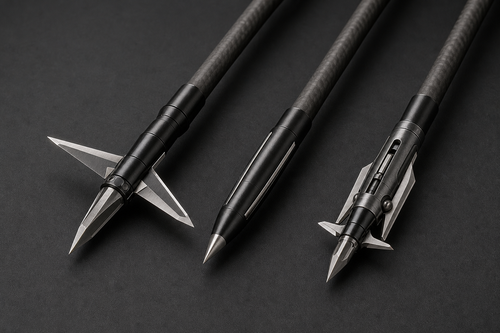
Most 3D foam targets are not designed for broadhead use. Broadheads cut into foam rather than compressing it, which means the self-healing effect does not occur, and removal damages the surrounding material quickly. Check the target manufacturer's guidance before shooting broadheads into any foam target. If broadhead practice is a priority, look for targets specifically rated for that use.
Putting It Together
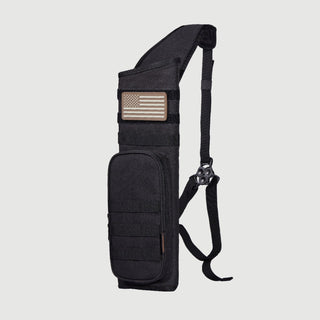
A well-chosen deer target paired with structured practice habits builds a very different kind of archer than one who only shoots at paper or block faces. The key is matching the target type to your actual training needs, maintaining it properly, and using it to simulate the real decisions you will face — not just the mechanics of releasing an arrow. When you head to the range, a padded bow case and a quiver make it easier to carry your bow and arrows there and back.