Skip to content
 cust@legendarchery.com
 302 503 5767
 Westfield IN 46074


Archery in Cherokee culture is not simply a skill — it is a living thread connecting generations. From early hunting practices rooted in necessity to ceremonial events that continue today, how the Cherokee celebrate archery tells a much larger story about identity, respect for the natural world, and community. Understanding this context enriches any archer's appreciation for where the sport truly comes from.
The Role of the Bow in Cherokee History
For the Cherokee people of the Southeastern United States — historically centered in present-day North Carolina, Georgia, and Tennessee — the bow and arrow was one of the most essential tools of daily life. It was used for hunting deer, turkey, and other game that sustained families and communities. But beyond utility, skill with a bow carried deep social meaning.
[product-tabs]
A young man's ability to hunt with precision was a marker of readiness, responsibility, and respect within the community. Elders passed down techniques not through written manuals but through patient demonstration and practice alongside experienced hunters. The bow was never just a weapon; it was a relationship between the archer, the land, and the animal being pursued.
Cherokee oral traditions describe the bow as a gift from the natural world — one that came with obligations. Hunters were expected to take only what was needed, to offer thanks, and to waste nothing. This philosophy shaped how the act of shooting was taught and remembered.
Ceremony and Competition: How Archery Is Honored Today
Modern Cherokee communities, particularly those associated with the Eastern Band of Cherokee Indians (EBCI) in western North Carolina, actively work to keep archery alive as a cultural practice. This happens through several channels:
- Cherokee cultural festivals: Events such as the Cherokee Indian Fair, held annually in October in Cherokee, North Carolina, have historically included archery demonstrations and competitions. These events give both tribal members and visitors a window into traditional skills.
- School and youth programs: The Cherokee Central Schools system and community organizations have incorporated traditional skills programs that include instruction in bow use, helping younger generations connect with their heritage in a hands-on way.
- Storytelling and ceremony: Archery appears in Cherokee stories and ceremonial contexts where the bow and arrow carry symbolic weight — representing protection, provision, and the responsibilities of adulthood.
- Demonstration by master craftspeople: Cherokee artisans who craft traditional bows from local materials such as black locust and osage orange share their knowledge at cultural events and through the Qualla Arts and Crafts Mutual, a cooperative that supports traditional Cherokee arts.
These aren't staged performances for tourists. For many Cherokee people, practicing and demonstrating traditional archery is a form of cultural continuity — a way of saying, this is still who we are.
Traditional Cherokee Bows and Their Craftsmanship
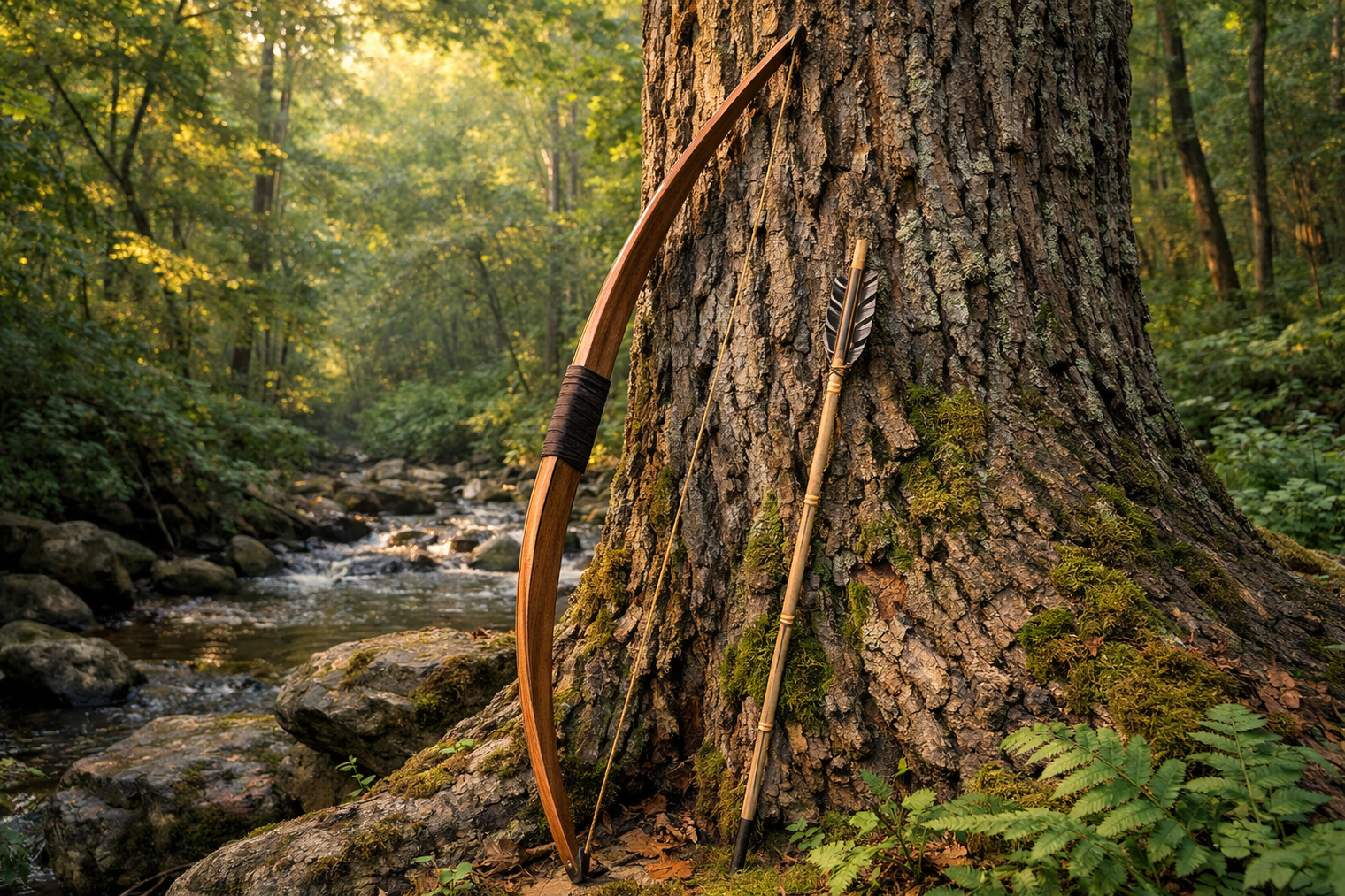
Cherokee bows were typically self bows — meaning made from a single piece of wood — shaped and finished by hand. Common materials included black locust, sourwood, and white oak. The bowyer's knowledge of wood grain, flexibility, and seasonal changes in the material was considerable, developed over years of practice.
Arrows were often crafted from river cane, a plant that grows abundantly throughout the Cherokee homeland. Fletching used feathers from wild birds, and points were shaped from flint, bone, or later, trade materials. Each part of the arrow carried intentional design choices informed by the intended use — hunting, close range, or longer shots across open ground.
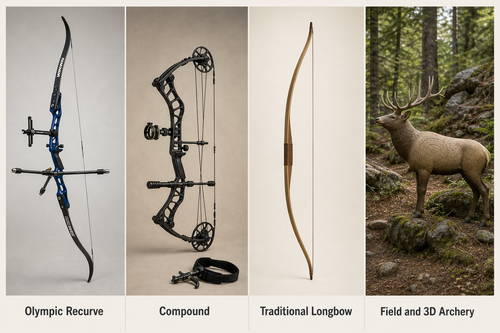
Today, some Cherokee craftspeople still produce traditional bows using historical methods. These objects are not simply decorative. They function, and the makers understand them deeply. If you are curious about how traditional archery equipment compares to modern alternatives, exploring a broad range of new archery products can help you understand just how much — and how little — bow design has changed over centuries.
What Modern Archers Can Learn From Cherokee Tradition
The Cherokee approach to archery offers several lessons that remain relevant whether you shoot recurve, longbow, or compound.
- Intentionality matters: Cherokee tradition emphasized purpose and awareness before releasing an arrow. Modern archers call this mental discipline. The concept is not new.
- Connection to materials: Understanding where your equipment comes from and how it is made builds respect for the craft. Cherokee bowyers knew every inch of their bow's character.
- Community as part of practice: Archery was never solitary in the traditional Cherokee sense. It was taught, demonstrated, and celebrated together. This mirrors the best club and coaching environments in archery today.
- Observation over instruction: Much Cherokee technical knowledge was transmitted by watching and doing, not lecturing. Many experienced archers today echo this — form is something you feel and observe, not just read about.
Common Misunderstandings to Avoid
When exploring indigenous archery traditions, it is easy to fall into several traps — especially for people coming from a modern sport archery background.
- Treating tradition as primitive: Traditional Cherokee archery equipment was highly refined for its purpose. Effectiveness in hunting required accuracy and reliability. These were not crude tools.
- Assuming one unified style: Native American archery varied enormously between nations and regions. Cherokee technique, materials, and ceremonial context are specific to Cherokee culture and should not be blended casually with the practices of other nations.
- Separating the skill from the culture: It is tempting to extract the technical aspects of traditional archery while ignoring their cultural context. For the Cherokee, the how and the why are inseparable. Respecting that connection matters.
- Thinking of it as historical only: Cherokee archery is a living tradition with active practitioners. It is not a museum exhibit. Engaging with it as a present-day practice, not a relic, is essential.
Where to Learn More and How to Engage Respectfully
If you want to deepen your understanding of Cherokee archery traditions, seek out primary sources. The Museum of the Cherokee Indian in Cherokee, North Carolina is an excellent starting point. The EBCI's cultural programs and published resources offer perspectives grounded in community voices rather than outside interpretation.
For those who want to explore traditional archery styles in their own practice, studying instinctive shooting and longbow techniques is a meaningful path. Having the right outdoor archery supplies can support that kind of hands-on exploration, especially if you are moving away from modern accessories toward a more minimalist approach to the sport.
Attending living history events, connecting with indigenous-led archery programs, and supporting Cherokee artisans who create traditional bows are all ways to engage with this tradition with genuine respect.
Frequently Asked Questions
Did the Cherokee use archery in ceremonies as well as hunting?
Yes. While hunting was the most practical application, archery also appeared in ceremonial and competitive contexts within Cherokee communities. Skill with a bow was socially valued, and demonstrations of that skill were part of community gatherings long before European contact.
Are traditional Cherokee bows still being made today?
Yes. A number of Cherokee craftspeople continue to make functional traditional bows using historical materials and methods. Some are available through organizations like the Qualla Arts and Crafts Mutual, which supports authentic Cherokee artistry.
How is Cherokee archery different from other Native American archery traditions?
Materials, design, and ceremonial meaning varied significantly between nations. Cherokee bows reflect the woodland environment of the Southeast — the available woods, game animals, and cultural context are distinct from, say, Plains nations who developed shorter bows suited to horseback use. These differences matter and should not be collapsed into a single generic category.
Can someone outside the Cherokee nation participate in or learn traditional Cherokee archery?
The most respectful path is to seek out programs led by Cherokee educators and cultural organizations. Learning from community-led sources, rather than secondhand interpretations, ensures both accuracy and appropriate engagement. Some cultural events welcome outside visitors as observers or participants under community guidance.
Conclusion
Cherokee archery is a living tradition — technically sophisticated, culturally grounded, and actively maintained by community members who understand its full meaning. For anyone interested in archery's deeper roots, engaging with this heritage honestly and respectfully is far more rewarding than treating it as historical curiosity. The bow has always been more than equipment. The Cherokee have never forgotten that.