Skip to content
 cust@legendarchery.com
 302 503 5767
 Westfield IN 46074


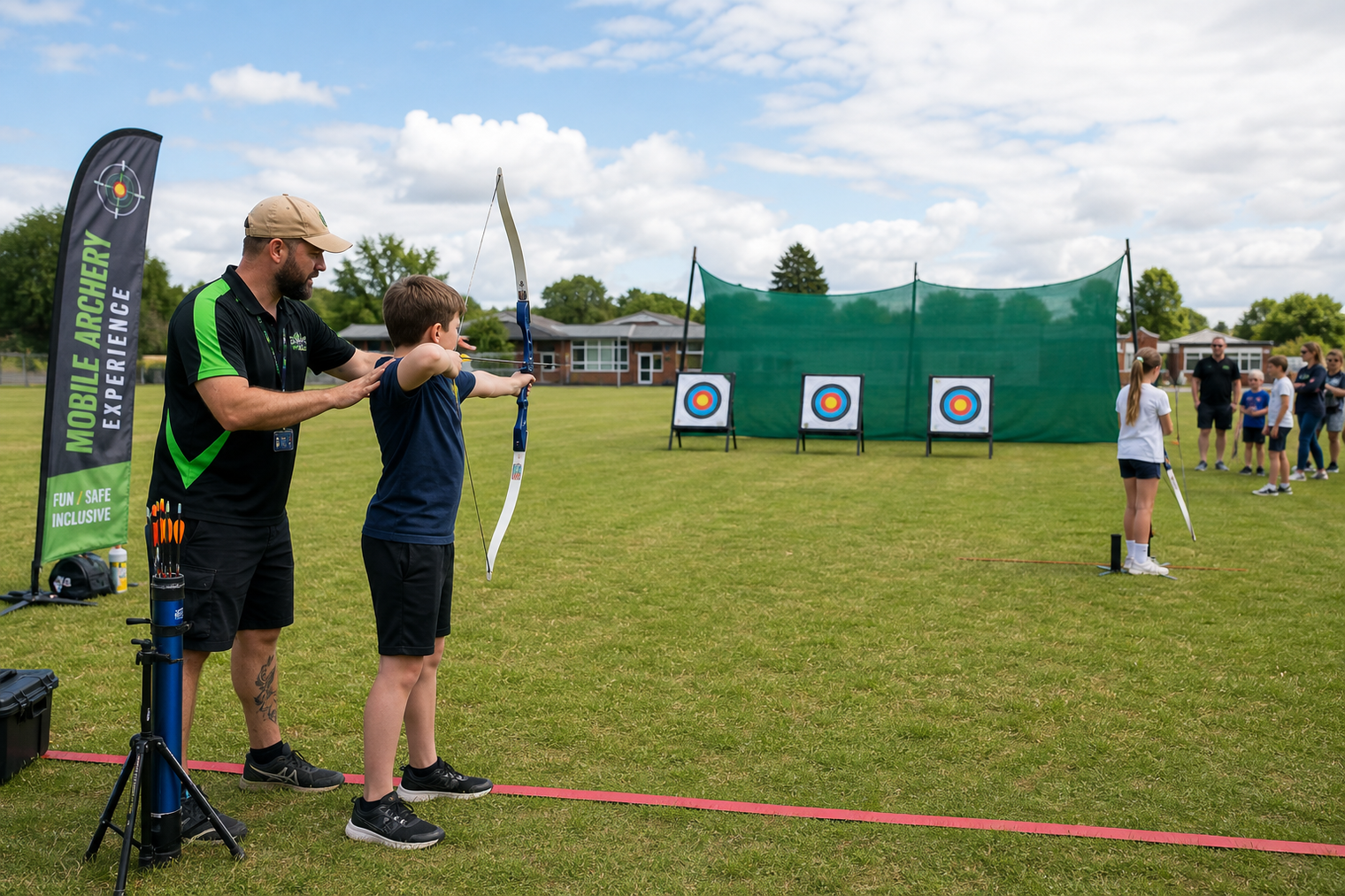
Not everyone lives near an archery club or range. Mobile archery setups solve that problem directly — bringing targets, equipment, and qualified instruction to schools, festivals, corporate events, and community spaces. Bullock's Archery brings archery to you with their mobile range is a concept that reflects a broader shift in how the sport reaches new audiences. Understanding how these programs work helps organizers, educators, and curious newcomers make better decisions about getting involved.
Why Mobile Archery Programs Matter
Traditional archery clubs require participants to travel, often to facilities that are not centrally located or accessible to younger or less mobile populations. A mobile range removes that barrier entirely.
The impact of this is real and measurable across the archery community:
- First contact with the sport: Many archers trace their start to a single unexpected encounter — a school visit, a fair, a corporate team day. Mobile ranges create those moments at scale.
- Lower entry threshold: Participants do not need to buy equipment, travel, or commit to membership to try archery for the first time.
- Reaching underserved communities: Rural areas, underfunded schools, and regions with no established archery infrastructure benefit most from mobile programs.
- Boosting club pipelines: Archery organizations use mobile outreach to convert curious onlookers into committed club members over time.
From a sport development perspective, mobile ranges are one of the most efficient tools for growing participation, particularly among younger age groups who would otherwise never pick up a bow.
How a Mobile Archery Range Actually Works
Running a mobile range is more involved than loading a few targets into a van. A well-run operation requires careful planning around safety, equipment, space, and instruction quality.
Space and Safety Requirements
The first priority is always a safe shooting corridor. Most mobile setups require a minimum unobstructed shooting lane — typically between 10 and 20 metres depending on the bow types being used — plus substantial clear zones behind the target line and to the sides. Organizers must assess the venue in advance and confirm that bystander separation is achievable before the event proceeds.
Netting, backstop barriers, and clearly marked shooting lines are standard components of any responsible portable setup. Reputable providers will conduct a site assessment before confirming a booking.
Equipment Used in Mobile Setups
Equipment selection for mobile archery tends to favour durability, simplicity, and beginner-friendliness. Recurve bows with lower draw weights are common because they are forgiving, easy to size for a range of participants, and straightforward to maintain. Foam block targets, simple arrow quivers, arm guards, and finger tabs round out a typical kit.
For operators running regular mobile programs, investing in quality equipment pays off over time. Arrows take significant abuse in high-volume beginner sessions, and robust targets extend the lifespan of the setup considerably. If you are outfitting a mobile program from scratch, browsing outdoor archery supplies gives a practical overview of the categories you need to cover.
Instruction and Coaching
Equipment alone does not make a mobile range effective. Qualified instruction is what converts a fun experience into a safe and meaningful one. Most programs use a simplified teaching sequence focused on stance, anchor point, and release — enough for a beginner to shoot their first arrow confidently within minutes. Coaches must also manage the line actively, keeping participants safe while maintaining energy and engagement throughout the session.
Practical Guidance for Organizers and Participants
Whether you are planning to host a mobile archery experience or attending one as a participant, a few practical points make a significant difference.
For Event Organizers
- Book well in advance: Quality mobile archery providers often have limited availability, particularly for peak seasons like summer festivals or school term visits.
- Confirm insurance and accreditation: Any reputable provider should carry public liability insurance and employ certified coaches. Ask for documentation before confirming.
- Communicate venue specifics clearly: Share dimensions, surface type (grass, concrete, indoor floor), and any overhead obstacles. This affects both safety planning and equipment choices.
- Plan for participant throughput: A single lane handles roughly 6 to 8 participants at a time in a group session. If you expect large crowds, discuss additional lanes with your provider.
- Allow setup and teardown time: A full mobile range typically needs 45 to 90 minutes to set up correctly. Factor this into your event schedule.
For First-Time Participants
- Listen to the safety briefing completely before picking up a bow — even if you have shot before.
- Wear close-fitting clothing and tie back loose hair. Loose sleeves in particular can interfere with the bowstring.
- Ask questions. Coaches at mobile events are accustomed to total beginners and expect to explain everything from scratch.
- Manage expectations on your first attempt. Form takes time to develop, and early sessions are about building familiarity, not hitting the gold.
Common Mistakes Made at Mobile Archery Events
Both organizers and participants tend to make similar errors when encountering mobile archery for the first time.
- Underestimating space requirements: Trying to fit a mobile range into a space that is technically too short or too narrow creates safety risks and limits participant enjoyment.
- Ignoring surface conditions: Wet grass, uneven ground, or hard reflective surfaces all affect arrow bounce-back and participant stability. Providers and organizers should assess this together.
- Rushing participants through: High-volume events sometimes pressure coaches to move people through too quickly. A participant who does not understand the basic safety rules is a liability, not just an inconvenience.
- No follow-up pathway: A common missed opportunity is running a mobile event without any mechanism to direct interested participants toward local clubs, classes, or equipment. The experience should open a door, not be a dead end.
- Using damaged or poorly maintained equipment: Cracked arrows, worn nocking points, and damaged limbs create inconsistent performance and, in some cases, safety hazards. Mobile equipment takes more punishment than range equipment and needs more frequent inspection.
For operators looking to keep equipment in good condition across a high volume of sessions, sourcing through a reliable supplier matters. Checking what is available through the archery shop at Legend Archery is a practical starting point for replacement components and consumables.
Turning a Mobile Experience Into a Long-Term Archery Journey
The best mobile archery programs are designed with conversion in mind — not just delivering a fun activity, but creating genuine archers. A few elements support this effectively:
- Providing printed or digital information about local clubs at the event.
- Offering a brief conversation with a coach about next steps for participants who express interest.
- Connecting the event to a broader program — for example, school visits followed by an after-school club series.
For participants who decide to take up the sport seriously after a mobile experience, the transition to their own equipment is an exciting step. Understanding what gear suits a beginner archer is its own topic, and resources covering new archery products can help guide those early purchasing decisions without the overwhelm of the full product landscape.
Frequently Asked Questions
How much space does a mobile archery range actually need?
The minimum usable space depends on the bow types and the age of participants, but most setups require at least 15 metres of clear shooting lane, plus a buffer zone behind the targets of several metres and clear lateral separation from bystanders. Indoor venues with lower ceilings require additional planning for trajectory clearance.
Is a mobile archery event safe for children?
Yes, when run by qualified coaches with appropriate equipment and proper safety protocols. Children's sessions typically use very low draw weight bows sized to the participant, and qualified instructors manage the line continuously. The key variable is the quality and training of the provider, not the format itself.
What should I look for when choosing a mobile archery provider?
Focus on three things: confirmed public liability insurance, certified coaching staff, and a clear safety assessment process for your venue. Ask for references from similar events and confirm that their equipment is inspected and maintained regularly. Price should be a secondary consideration once those fundamentals are confirmed.
Can a mobile experience really get someone into archery long term?
It absolutely can, and frequently does. The key is having a clear next step available — whether that is a beginner course, a local club introduction, or guidance on starter equipment. Without that, even a great mobile experience tends to stay as a pleasant memory rather than a sport entry point.
Closing Thoughts
Mobile archery is one of the most accessible entry points the sport has ever had. Whether you are planning an event, considering attending one, or thinking about setting up a program yourself, the principles are consistent: prioritize safety, invest in quality instruction, and give participants a clear path forward if they want to continue. The bow is just the beginning.