Getting your first bow set up correctly is not about finding the most expensive option or the one a professional shoots. It is about matching the fit and setup to your body, your goals, and the style of archery you actually want to practice. Get those things right from the start and your progression will be faster and far more enjoyable.
What Matters Before You Start
Before you focus on any single piece of equipment, answer a few foundational questions. These answers will shape your setup far more than any spec sheet.
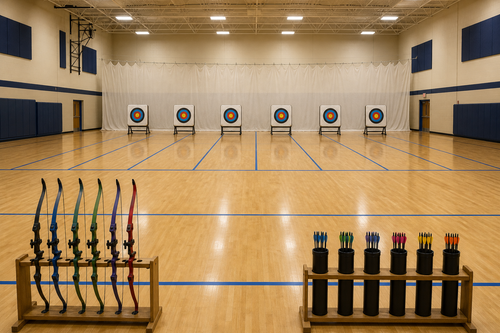
- What discipline interests you? Target shooting at an indoor range, 3D archery in the woods, field archery, or eventually bowhunting all favor different equipment. Knowing your direction early prevents you from setting up for the wrong style entirely.
- What is your dominant eye? Eye dominance, not hand dominance, determines whether you shoot right-handed or left-handed. Cross-dominance is common and overlooked. Test this before your first real session.
- What is your draw length? This is the distance from the grip to the string at full draw, measured in inches. It is determined by your arm span and body proportions. Shooting with the wrong draw length causes poor form, inconsistency, and sometimes injury.
- What is a realistic starting draw weight? Draw weight is the peak force required to pull the string to full draw. Many beginners overestimate their strength and start too heavy, which builds bad habits fast. A lighter, well-fitted setup shot with clean form is always more effective than a heavy one shot poorly.
A Quick Note on Bow Types
New archers typically start on a recurve, a compound, or occasionally a traditional longbow — each has a different feel and learning curve, and a coach or local range can help you work out which fits your goals and discipline. Whichever platform you end up shooting, the fit and setup guidance below applies the same way.
Setting Up and Getting Started
Once your equipment is sorted, a few setup steps make a significant difference in your early experience.
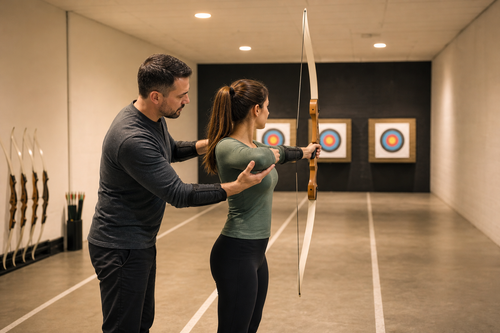
- Have a knowledgeable shop technician verify your draw length and set your equipment to that measurement before you shoot a single arrow.
- For compound bows, confirm the draw stop or wall is set correctly so you have a consistent anchor point.
- String a recurve using a bow stringer tool rather than stepping through it. The step-through method can torque the limbs and cause uneven stress over time.
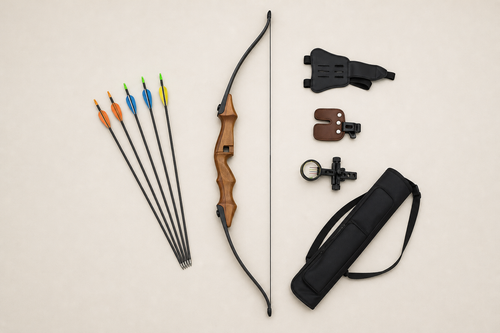
- Start with a simple arrow rest and basic sight before adding stabilizers or other accessories. Learn your fundamentals before adding complexity.
- Consider an armguard for your bow arm. String slap on the forearm is common for beginners and an armguard reduces the sting while you correct your form.
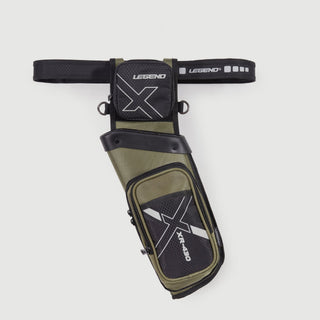
Once your setup is dialed in, protecting your investment matters. If you plan to travel to a club, range, or tournament, a quality bow case keeps your equipment safe in transit. Legend Archery's Apollo Bow Case (40 or 44in) is a soft-shell compound bow bag with thick shock-absorbing foam padding, multiple pockets for arrows and accessories, and a padded shoulder strap designed for extended carry — practical from day one for any archer heading out regularly.
Common Fit and Safety Mistakes to Avoid
- Starting with too much draw weight. This is the single most common mistake. Overshooting your strength leads to poor form, fatigue, and sometimes injury. You can always increase weight as you get stronger.
- Ignoring draw length. Many beginners skip checking whether their draw length is correct for their body. A misfit setup is harder to shoot accurately and can reinforce bad habits.
- Skipping professional setup. Setting up at home without guidance often results in equipment that is out of tune, which makes it nearly impossible to diagnose form issues separately from equipment issues.
- Over-accessorizing too early. Adding a full suite of stabilizers, dampeners, and advanced sights before learning basic form creates too many variables. Start simple.
Frequently Asked Questions
What matters most when fitting my first bow?
Focus on three things: correct draw length for your body, an appropriate starting draw weight (lighter than you think you need), and adjustability so your setup can grow with you. Everything else is secondary.
How do I measure my draw length correctly?
Draw length is best measured by a pro shop technician using your wingspan and anchor point, rather than estimated from a height chart — even small errors affect form and can cause the string to strike your forearm. If a professional measurement isn't available yet, have someone else measure your wingspan and divide by 2.5 as a rough, temporary starting point.
What mistakes do people make when setting up their first bow?
The biggest mistakes are starting with too much draw weight, ignoring draw length fit, and skipping a proper setup at a pro shop. Adding a full suite of accessories before learning basic form is also a common and costly error.
What should I check before my first session?
Confirm your draw length and draw weight have been set correctly by a technician, make sure your anchor point and stance feel consistent, and wear an armguard until your form is consistent enough to avoid string slap. Start at a short, comfortable distance and focus on repeatable form before worrying about accuracy.
Conclusion
A good start in archery comes down to fit and setup, not finding the "best" equipment on the shelf. Take the time to get measured, confirm your setup with a knowledgeable technician, and prioritize fit over features. Legend Archery's archery accessories range is worth exploring as your kit grows.