Starting archery is exciting, but picking the wrong class, instructor, or bow style early on can set you back months. The first decision isn't about gear — it's about how and where you learn. This guide breaks down what actually matters when choosing archery lessons for beginners so you can get a solid foundation from day one.
What Matters Before You Sign Up
Before booking a session, it helps to understand what separates a productive learning environment from one that just burns your time and money. A few factors carry more weight than most beginners realize:
- Instructor certification: Look for instructors who hold a recognized national certification, such as USA Archery Level 1 or Level 2. This signals they've been trained in safe, structured teaching methods — not just that they can shoot well themselves.
- Equipment provided vs. BYOB: Quality beginner programs supply loaner equipment sized and configured for new shooters. If a program expects you to show up with your own setup, that's a red flag unless it's explicitly an intermediate class.
- Class size: In archery, individual feedback is critical. Large group sessions (10+ students per instructor) often mean less hands-on correction and more waiting around on the line.
- Safety briefing: Every reputable program opens with a thorough range safety orientation. If a venue skips or rushes this, walk away.
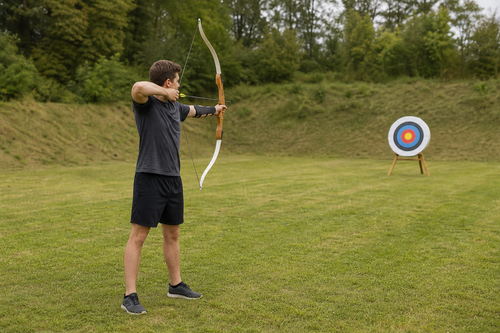
- Curriculum structure: A well-designed beginner course follows a logical sequence — stance, grip, anchor point, draw, aim, and release — rather than just letting you shoot and figure it out.
Main Types of Archery Lessons and How They Differ
Not all beginner instruction is formatted the same way. The structure you choose affects how fast you progress and how much individual attention you receive.
Group Classes
Group classes are the most common entry point and are offered by archery clubs, ranges, YMCAs, and recreation centers. They're cost-effective and create a social environment that keeps newer archers motivated. The trade-off is that an instructor working with five or more students simultaneously can't give you constant feedback on every shot. Group classes work well if you're a self-aware learner who can apply verbal corrections independently.
Private Lessons
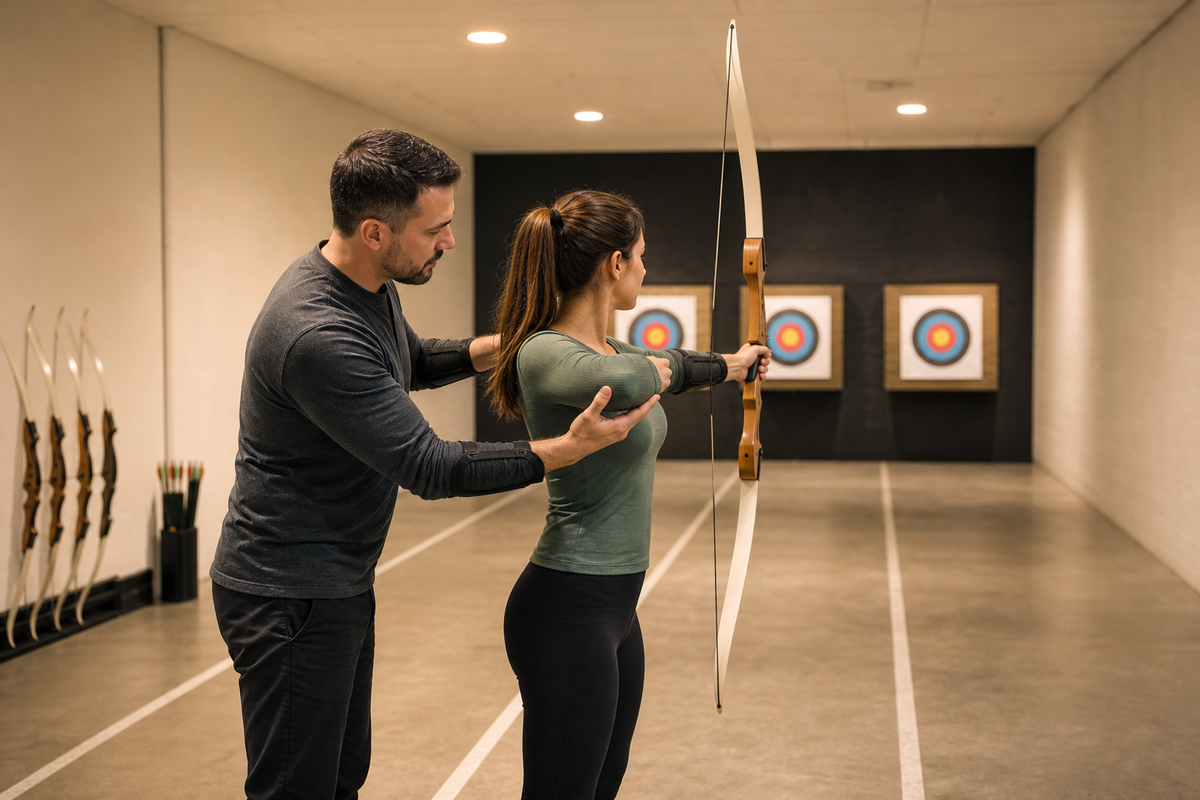
One-on-one instruction accelerates the learning curve dramatically. A private instructor can spot form problems — a collapsing bow arm, an inconsistent anchor, a rushed release — in real time and give you immediate corrections. The cost is higher per session, but you typically need fewer sessions to reach a competent baseline. Private lessons are especially valuable if you've already picked up a bad habit from shooting on your own.
Clinics and Workshops
Intensive one- or two-day clinics focus on a specific skill set: form fundamentals, mental game, or a particular discipline like barebow or field archery. These aren't ideal as a first-ever experience, but they're excellent for a beginner who has completed a short introductory course and wants a deeper dive on one topic.
Online Instruction
Video-based coaching has grown significantly, and some coaches offer remote feedback via submitted video. This can supplement in-person learning but should not replace it for a true beginner. Without live supervision, range safety and equipment handling can't be properly monitored.
Buying Criteria and Trade-Offs When Choosing a Program
Treat choosing a beginner archery program the way you'd evaluate any important purchase. These are the criteria worth weighing:
- Location and range access: A program at a range you can visit regularly between lessons will accelerate your progress far more than a world-class clinic three hours away that you attend once.
- Discipline offered: Programs typically teach Olympic recurve, compound, or barebow. Some teach all three. The discipline the instructor specializes in affects the quality of feedback you'll get.
- Continuation pathway: Does the program connect you to a club, ongoing practice sessions, or a next-level course? One-and-done beginner courses that leave you with no next step are a poor long-term investment.
- Curriculum vs. freeform shooting: A structured curriculum with defined milestones teaches you archery. Freeform range time with light supervision entertains you. Both have value, but they aren't the same thing.
- Affiliation: Programs affiliated with USA Archery or World Archery follow standardized teaching frameworks, which protects you from coaches who teach idiosyncratic habits that conflict with established technique.
Which Type of Lesson Suits Which Beginner
Your goals, schedule, and learning style should drive this decision more than price alone.
Recreational Beginners
If you want to try archery for fun, fitness, or stress relief without competitive goals, a group class at a local club or recreation center is the most practical choice. It's low-commitment, affordable, and social. You'll learn safe handling and basic technique without the pressure of a performance framework.
Beginners with Competitive Ambitions
If you're drawn to tournaments — even at the club or state level eventually — start with private lessons or a small-group class taught by a coach who actively competes or coaches competitors. This ensures the technique you build early aligns with what you'll need for formal shooting.
Youth Beginners
Programs designed for youth, such as USA Archery's Junior Olympic Archery Development (JOAD) clubs, are structured for age-appropriate instruction. They're supervised, safety-focused, and social. Adult programs often move too fast in terms of draw weight and distance for a child's physical development.
Adults Returning After a Long Break
Someone who shot briefly in their teens and is returning after years away sits in an awkward middle ground — not quite a full beginner, but carrying old habits that may need correction. A single private assessment session before committing to a full course can help an instructor place you at the right level.
Getting Started: What the First Few Sessions Look Like
Understanding what to expect from beginner archery instruction helps you evaluate whether a program is delivering real value. A well-structured introductory course typically moves through these stages:
- Range safety rules and equipment orientation
- Stance and body alignment at close range (usually 5 to 10 meters)
- Grip, draw, and anchor fundamentals with an appropriately light draw weight
- Sight picture and aiming basics
- Controlled release and follow-through
- Gradual distance increases as consistency develops
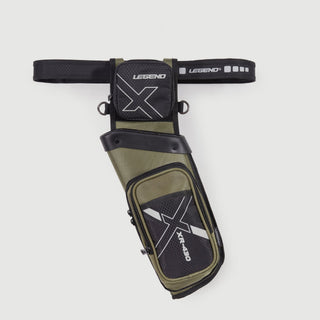
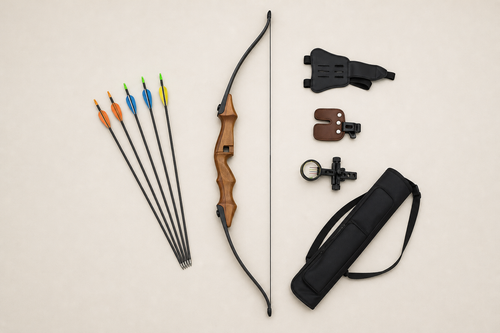
Expect most beginner courses to run three to six sessions before you're ready to practice independently. After that point, having the right archery accessories — an armguard, finger protection, and a way to carry your gear — becomes genuinely useful rather than premature.
Mistakes Beginners Make When Choosing Lessons
- Buying equipment before the first lesson: An instructor will help you determine the right bow style, draw length, and draw weight for your build. Purchasing gear beforehand often means buying something that doesn't fit — and unlearning bad habits formed on a poorly fitted setup takes real effort.
- Choosing based on price alone: The cheapest beginner class is rarely the best value. A poorly taught first experience can ingrain form problems that require expensive remediation later.
- Skipping lessons once the basics feel comfortable: Most form breakdowns happen just past the beginner stage, when new archers increase draw weight or distance before their technique is stable. Continuing with structured instruction through that transition is worth it.
- Ignoring the range environment: A dirty, disorganized, or poorly supervised range reflects the values of the program running it. A well-managed facility with clear lane markings, consistent whistle commands, and enforced safety rules signals a serious operation.
- Overlooking the instructor's teaching style: A skilled archer is not automatically a skilled teacher. If a coach can't explain why a technique works — only demonstrate it — look for someone with actual coaching credentials.
Frequently Asked Questions
How do I know if an archery instructor is actually qualified?
Look for a certification from USA Archery or a recognized national governing body. Level 1 instructors have completed a foundational coaching course. Level 2 and above have additional training and practical hours. Certification alone doesn't guarantee great teaching, but it sets a baseline of safety and methodology knowledge.
Which features matter most when picking a beginner archery class?
Instructor-to-student ratio, curriculum structure, and equipment provision matter more than price or facility aesthetics. A certified instructor teaching six students in a basic range will serve you better than an uncertified enthusiast in a premium facility with no defined lesson plan.
What's the most common mistake beginners make when choosing their first lessons?
Buying their own bow before completing a beginner course. Without knowing your dominant eye, draw length, and preferred discipline, any gear purchase is essentially a guess. Use the program's loaner equipment through the full introductory course before spending money on your own setup.
Is recurve or compound better for a complete beginner?
Neither is objectively easier, but most structured beginner programs start with recurve because the simpler mechanics make it easier to feel and correct form errors. Compound bows let you hold less weight at full draw, which can reduce fatigue — but the additional mechanical complexity can distract from fundamentals early on. The best answer is whichever discipline your instructor is most qualified to teach.
Starting Right Makes Everything Else Easier
The investment you make in quality instruction at the beginning pays dividends across your entire time in the sport. Solid fundamentals mean fewer corrections to undo, faster skill development, and a much safer experience on the range. Once your technique is settled and you're ready to explore the archery shop for your own gear and accessories, you'll know exactly what you need — and why.