Skip to content
 cust@legendarchery.com
 302 503 5767
 Westfield IN 46074


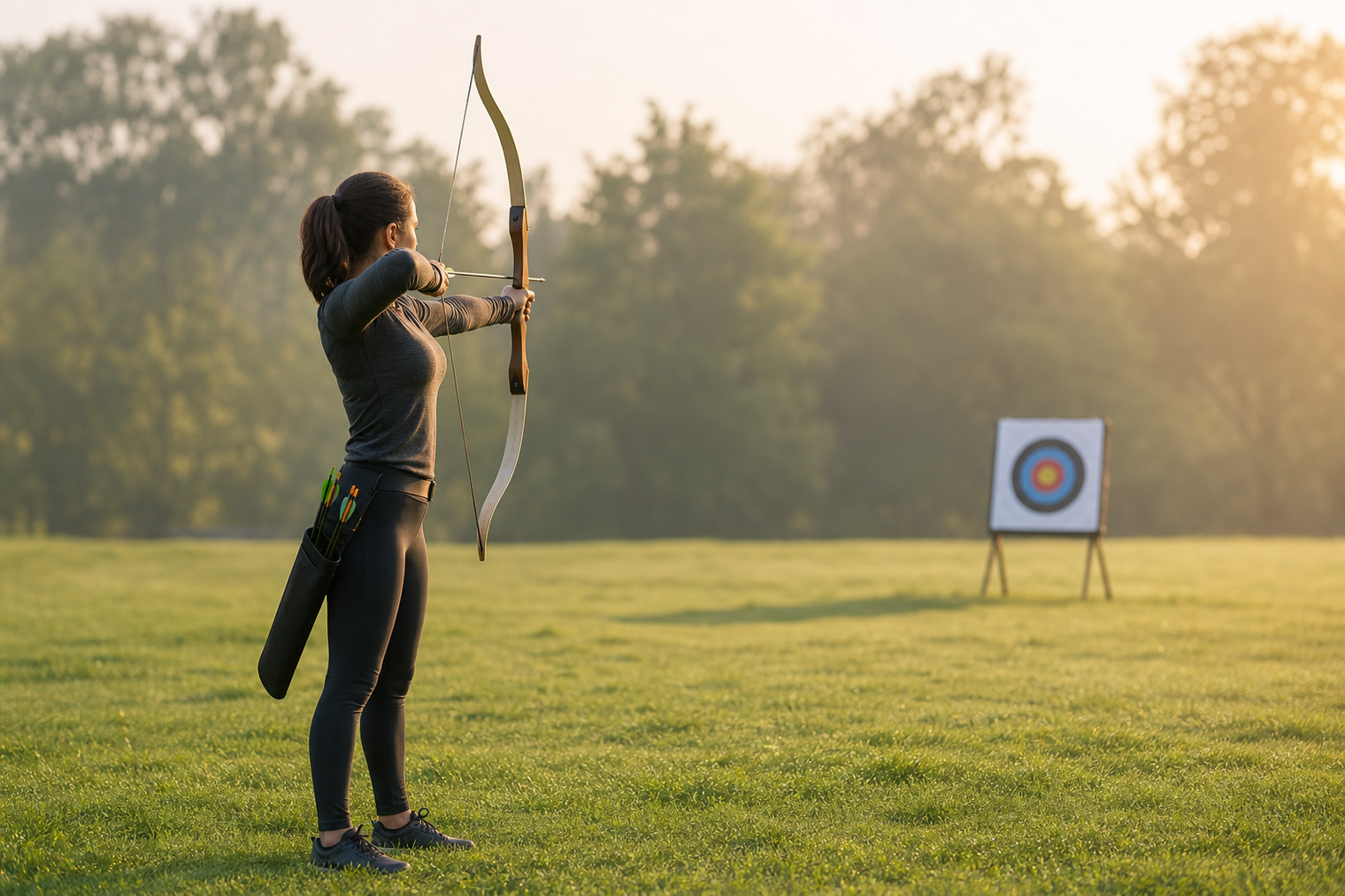
Most people walk into archery expecting a fun weekend activity. What they often discover is something that quietly reshapes how they move, breathe, and think. Archery is genuinely good for your health in ways that are easy to overlook because the sport looks deceptively still from the outside. This guide breaks down the real physical and mental benefits, explains what beginners often miss, and gives you practical ways to get more out of every session at the range.
The Physical Demands Are Greater Than They Look
Drawing a bow is a compound movement that engages the back, shoulders, chest, and core simultaneously. Each full draw recruits the rhomboids, trapezius, rotator cuff muscles, and forearm flexors in a coordinated pull that few gym exercises replicate. Do that fifty to one hundred times in a practice session and you have a genuine upper-body workout.
The standing posture required in target archery also activates stabilising muscles in the hips and legs. Recurve archers especially spend long sessions on their feet, holding form under load, which builds endurance in the postural muscles that support the spine. Over time, consistent practice tends to improve overall posture because the sport essentially punishes slouching — a collapsed stance produces inconsistent shots, so the bow gives you immediate, honest feedback.
- Upper body strength: Regular drawing builds the back and shoulder muscles in a balanced, low-impact way.
- Core stability: Holding your anchor and resisting torque requires an engaged, stable midsection.
- Grip and forearm endurance: Controlling the bow through the shot develops fine motor strength in the hands and wrists.
- Cardiovascular movement: Walking between targets at a field course or 3D range adds steady low-intensity cardio across a session.
Archery and Mental Health: A Less Obvious Benefit
The mental side of archery is where many archers say the sport changed their lives. To shoot well, you have to be completely present. There is no productive multitasking at full draw. Your mind has to settle on the process — stance, grip, anchor, sight picture, release — and that sustained single-point focus is structurally very close to a mindfulness practice.
Research in sports psychology has long recognised that activities requiring precise, repetitive focus can lower cortisol levels and reduce the subjective experience of stress. Archery fits this profile almost perfectly. The rhythmic nature of the shot cycle, the controlled breathing required to time your release, and the satisfaction of consistent groupings all contribute to a state that experienced archers describe as meditative.
For people dealing with anxiety, the structured routine of archery can provide a reliable anchor in the day. Unlike team sports where unpredictability is constant, archery gives you a largely controllable environment where improvement is directly tied to your own discipline and attention. That sense of agency is genuinely therapeutic for many people.
Archery also tends to build confidence incrementally. Each improvement in grouping or each new personal best at distance provides a concrete, measurable win. This type of progressive mastery is associated with healthy self-esteem and sustained motivation, which is one reason the sport has a strong record in adaptive and therapeutic settings.
Archery Is Good for Your Health Across Every Age Group
One of archery's underrated qualities is its accessibility across a wide age range. Children as young as seven or eight can begin with light draw-weight bows and still develop real technique. Older adults who may have moved away from high-impact sports find that archery lets them compete and train without the joint stress that running or racquet sports can impose.
Draw weight is easily scaled. A beginner can start at fifteen to twenty pounds and build progressively as their back and shoulder muscles adapt. There is no minimum fitness requirement to start, which makes the entry barrier genuinely low compared to many sports. The progression, however, is long and deeply rewarding — elite archers spend years refining movement patterns that casual observers would never notice.
For younger archers, the sport builds habits that carry well beyond the range: patience, sustained concentration, respect for safety rules, and the understanding that consistent effort produces results. These are life skills presented in a format that feels like sport rather than instruction.
Practical Ways to Maximise the Health Benefits
Getting the most out of archery as a health activity requires a bit of structure. Here is what experienced archers and coaches consistently recommend:
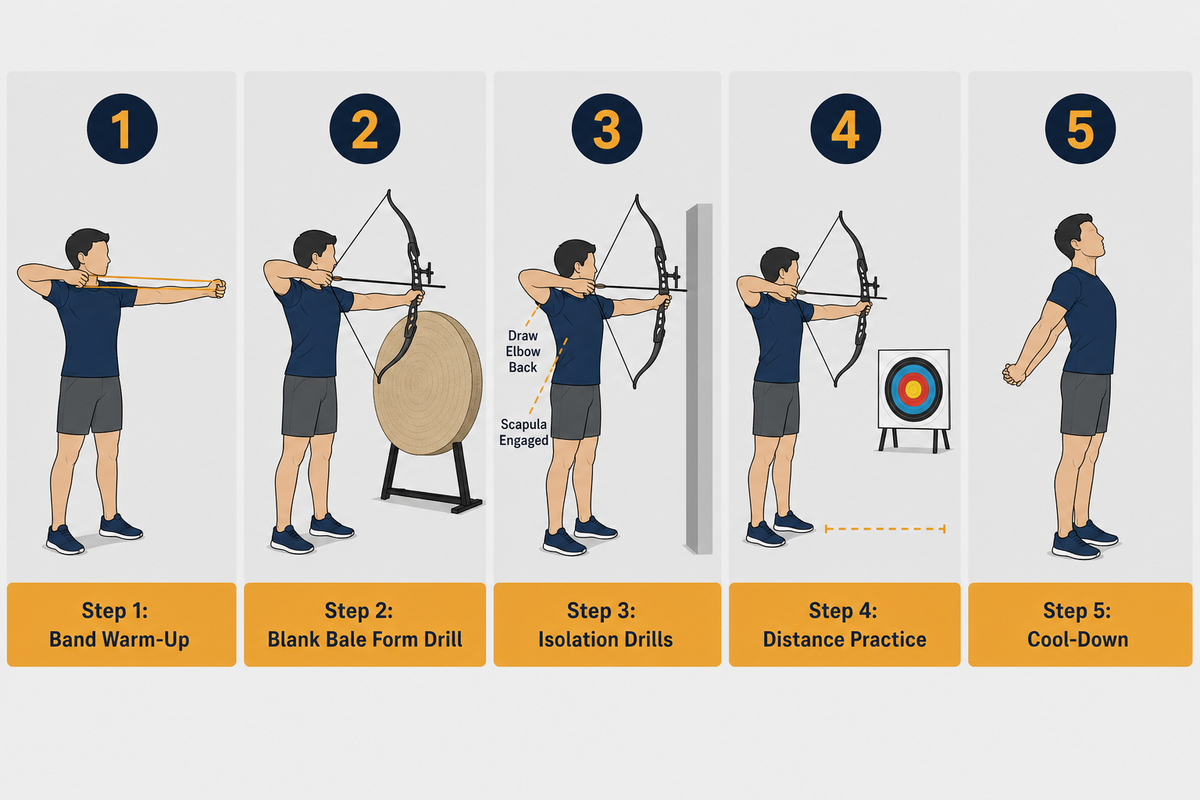
- Prioritise form over distance: Shooting with poor technique at long distance builds bad habits and risks overuse injuries. Work at shorter distances until your form is consistent.
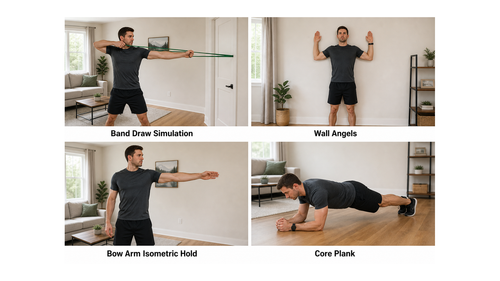
- Warm up before drawing: Light shoulder circles, band pull-aparts, and scapular retractions prepare the muscles you will use most. Cold draws with heavy weight are a common path to shoulder problems.
- Use a shot routine: The meditative benefits only kick in when you have a consistent process. Establish your pre-shot routine early and repeat it on every single arrow.
- Practice breath control: Many beginners ignore breathing. Learning to exhale slowly and release at a consistent point in your breath cycle directly improves both accuracy and your ability to access a calm mental state.
- Take breaks during long sessions: Muscle fatigue compromises form fast. Short breaks every twenty to thirty arrows keep your technique cleaner and reduce injury risk.
- Get outside when you can: Indoor range sessions are valuable, but shooting outdoors adds the benefits of natural light, fresh air, and varied terrain that indoor sessions simply cannot replicate. If you are setting up for outdoor practice, having the right outdoor archery supplies makes a significant difference to consistency and safety.
Common Mistakes Beginners Make
Most beginners who give up on archery early do so because they run into problems that are very solvable with the right guidance. The following mistakes are particularly common:
- Starting with too much draw weight: Ego-driven equipment choices lead to poor form, frustration, and often a string slap injury to the inner forearm. Always start lighter than you think you need to.
- Ignoring back tension: New archers often pull the bow with their bicep rather than engaging the back muscles. This limits power, reduces consistency, and places the wrong load on the shoulder joint.
- Flinching or collapsing at the shot: Anticipating the release causes the body to move before the arrow has left the bow. This is one of the most common accuracy killers and it is entirely a mental habit that requires deliberate work to unlearn.
- Skipping proper equipment setup: An ill-fitted bow — wrong draw length, mismatched arrow spine, or incorrect brace height — makes good technique nearly impossible. Getting your setup right from the start saves months of confused troubleshooting. Exploring a well-stocked archery shop with knowledgeable staff can help you make better initial choices.
- Treating every session as a competition: Practicing score-focused shooting before your form is stable builds inconsistency under pressure. Process-focused practice builds the foundation that makes competitive shooting possible later.
Getting Started With the Right Equipment
The health benefits of archery are most accessible when you are shooting a bow that fits your body and goals. A beginner who is fighting their equipment learns bad habits faster than good ones. Key considerations for a first setup include draw length, draw weight, bow style (recurve or compound), and arrow selection.
Recurve bows are widely recommended for beginners because they develop foundational technique that transfers to any style of archery. Compound bows offer a mechanical advantage that makes higher draw weights manageable and are excellent for hunters or those drawn to precision target shooting. Neither choice is wrong — the best bow is the one that fits you and keeps you on the range.
If you are unsure where to start, browsing new archery products with clear product descriptions and category filters can help you understand what is available before you commit to a purchase.
Frequently Asked Questions
Does archery actually count as exercise, or is it too easy to have real benefits?
It counts as genuine exercise, though it does not look intense from the outside. The muscular engagement during a draw is real and cumulative — an hour of shooting works the back, shoulders, and core in ways many gym routines do not address. Add walking at a field course and the cardiovascular component is meaningful too.
Can archery help with anxiety or stress?
Many archers describe it as one of the most effective stress-relief tools they have found. The requirement for total focus during the shot cycle effectively displaces anxious thinking, and the controlled breathing involved has a direct calming effect on the nervous system. The structured, progressive nature of the sport also builds confidence, which supports long-term mental resilience.
What do beginners get wrong when they first try archery?
The most common mistake is choosing too much draw weight too early, followed by neglecting proper form in favour of shooting far. Both problems compound quickly. A lighter bow, shorter distance, and strong emphasis on consistent technique will produce better results faster than jumping straight to challenge shots.
How long does it take before archery starts feeling natural?
Most beginners find the basic mechanics start to click within three to five sessions of guided practice. Building a truly consistent shot cycle that holds under pressure takes considerably longer — often months of deliberate work. That extended learning curve is part of what makes archery so engaging long-term.
Final Thoughts
Archery earns its place as a legitimate health practice, not just a pastime. The physical load is real, the mental discipline it builds is transferable, and the entry point is accessible to almost anyone willing to learn proper form. Start light, focus on process, and the benefits tend to look after themselves.