Skip to content
 cust@legendarchery.com
 302 503 5767
 Westfield IN 46074


Why Archery Is Better for Your Health Than Most People Realise
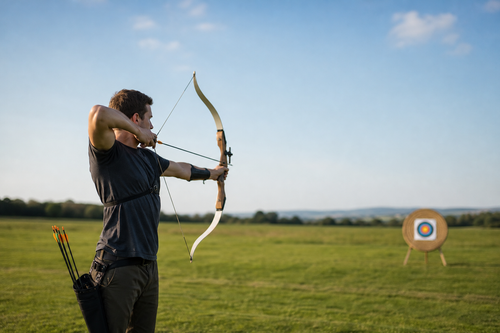
Most people think of archery as a recreational hobby or a competitive sport. What they rarely consider is how consistently drawing a bow shapes the body and calms the mind. When you discover the health benefits of archery, it becomes clear why this ancient skill has found a very modern audience among fitness enthusiasts, physiotherapists, and mental wellness advocates alike. Whether you shoot a recurve in your backyard or a compound bow at a club, the physical and psychological rewards stack up faster than you might expect.
Physical Strength and Muscle Development
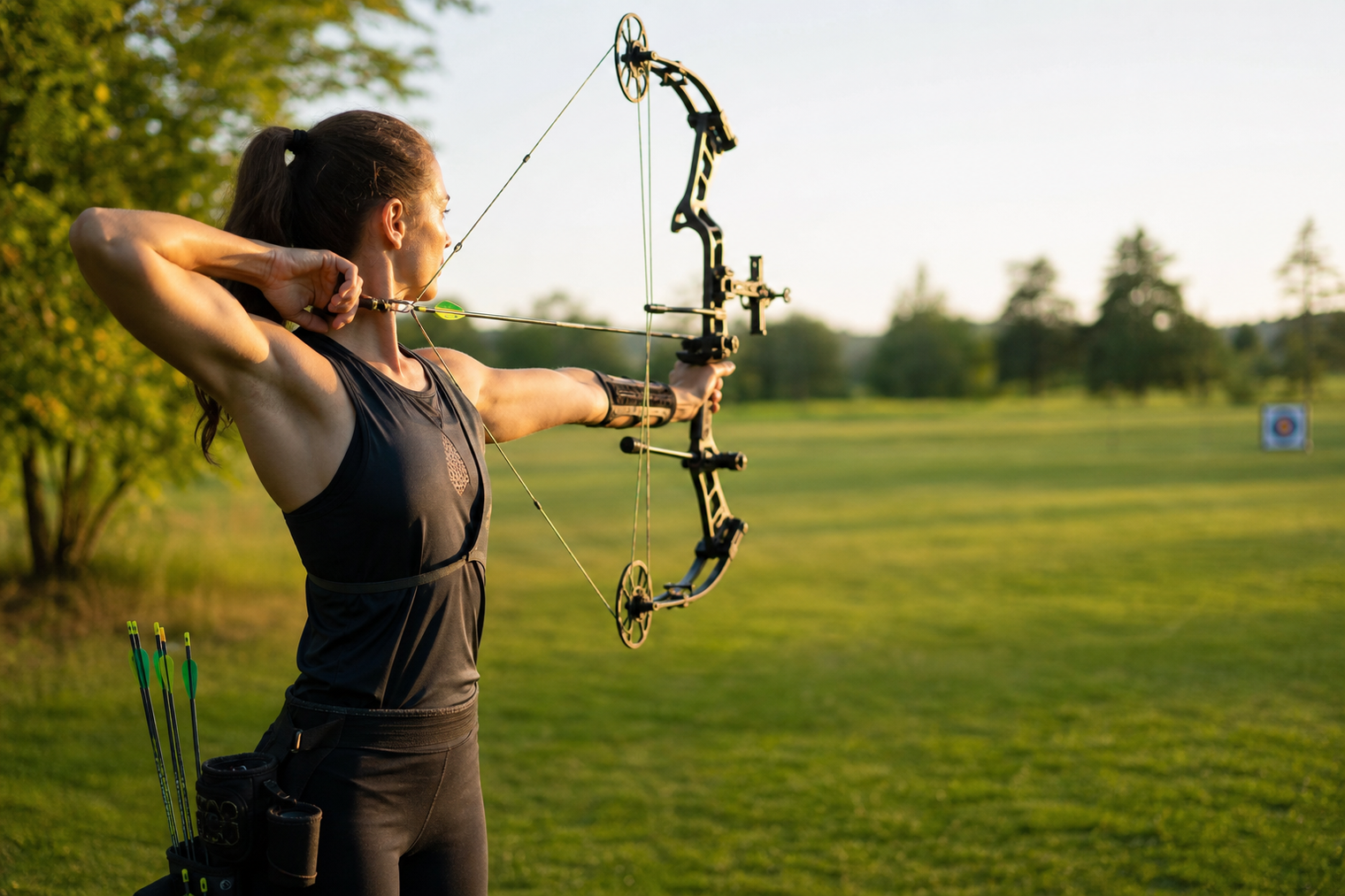
Every shot you take engages a chain of muscles that most gym routines overlook. Drawing a bow recruits the rotator cuff, rhomboids, trapezius, and the muscles along the side of your back. Over time, this builds genuine functional strength — the kind that supports posture and protects your shoulders and spine in everyday life.
- Upper back and shoulders: The draw motion isolates the posterior deltoid and rear shoulder muscles with each repetition, which are chronically underdeveloped in people who spend long hours sitting at a desk.
- Core stability: Holding anchor position and controlling the release requires a stable trunk. Consistent practice quietly trains your deep core muscles without a single crunch.
- Forearm and grip strength: The bow arm works isometrically through every shot, building grip endurance that translates directly to sport and daily tasks.
- Legs and balance: Standing for extended sessions on varied ground — particularly in field or outdoor archery — develops proprioception and lower body stability in ways that static gym exercises rarely replicate.
Unlike many sports, archery lets you accumulate this muscular work at a pace that suits your fitness level. A beginner using a lighter draw weight still performs dozens of functional pulling repetitions per session. As strength grows, draw weight can increase gradually, making archery one of the most naturally progressive resistance activities available.
Cardiovascular Activity and Calorie Burn
Field archery and 3D archery courses involve walking across uneven terrain while carrying equipment and retrieving arrows repeatedly. A full outdoor round can cover several kilometres. Even at an indoor range, the back-and-forth between the shooting line and the target adds up across a two-hour session.
While archery is not a high-intensity cardiovascular sport, its combination of light aerobic movement and repeated muscular effort places it firmly in the moderate activity category. For people who struggle to sustain conventional exercise routines, the engaging nature of shooting keeps them moving longer without the session feeling like a workout. That sustained, low-stress activity has documented benefits for cardiovascular health, metabolic rate, and weight management.
If you enjoy shooting outdoors, exploring outdoor archery supplies can help you set up for field sessions where the terrain itself becomes part of your fitness routine.
Mental Health and Psychological Wellbeing
This is where archery genuinely separates itself from most sports. The mental demands of the discipline create a state that psychologists often describe as flow — complete, calm absorption in a task. To shoot accurately, you must quiet internal noise, control your breathing, and commit fully to each shot without distraction. That process is structurally similar to mindfulness meditation, and it produces many of the same measurable effects.
- Stress reduction: Focused breathing and deliberate attention to the present moment lower cortisol levels during a session. Many archers report that an hour at the range dissolves anxiety more effectively than other recreational activities.
- Improved concentration: Regular practice trains sustained attention. Archers who shoot consistently often notice carry-over improvements in focus during work, study, and other detail-oriented tasks.
- Confidence and self-efficacy: Each improvement in grouping or personal best score provides clear, measurable evidence of progress. This regular positive feedback loop builds genuine self-confidence, particularly in younger shooters.
- Emotional regulation: A shot released when you are tense or rushed rarely goes where you intend. Archery trains the ability to recognise and manage emotional states before they affect performance — a skill with obvious value beyond the range.
Posture, Alignment, and Injury Prevention
Proper shooting form demands a neutral spine, squared hips, and aligned shoulders. Coaches spend considerable time reinforcing these positions because poor alignment costs accuracy. The side effect is that sustained practice gradually rewires how an archer holds their body throughout the day.
Many archers with desk-based work report improved awareness of their posture after several months of consistent training. The muscle memory developed through thousands of shots builds a kind of unconscious postural correction that reduces the risk of chronic back and neck pain associated with sedentary lifestyles.
It is worth noting that this benefit depends on learning correct technique from the beginning. Reinforcing flawed form with high repetition is one of the most common ways beginners accumulate overuse injuries rather than preventing them.
Social Connection and Community
Health is not purely physical or psychological — social connection is a documented component of long-term wellbeing. Archery clubs and ranges foster a particular kind of community. The sport is inherently individual in competition, which removes the team pressure that can make social sport stressful for some people. Yet the shared environment, mutual encouragement between shooters, and collective culture of learning create strong social bonds.
Archery is also one of very few sports where age, size, and physical condition create minimal barriers. It is practiced competitively by people from their teens into their seventies and beyond. That cross-generational participation makes archery clubs unusually inclusive communities.
Common Mistakes That Reduce the Benefits
If you are picking up a bow to improve your health, avoiding these early errors will protect your body and accelerate your progress.
- Starting with too heavy a draw weight: This is the single most common mistake. A draw weight that exceeds your current strength leads to compensated form, shoulder strain, and discouragement. Start well within your comfortable range and progress slowly.
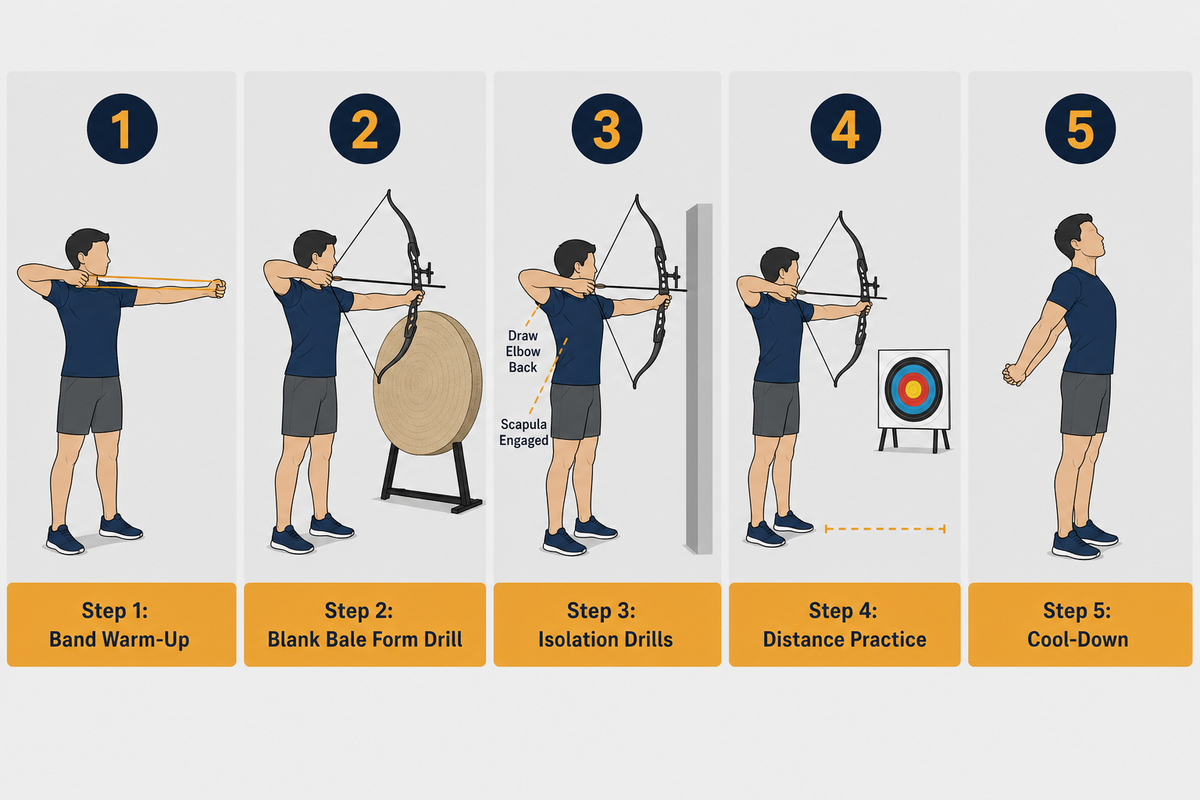
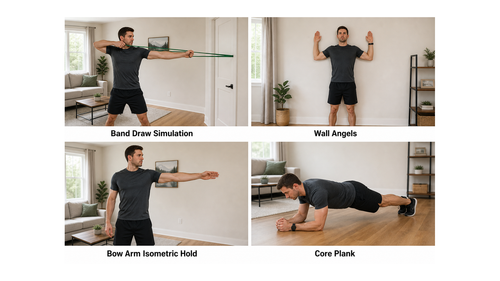
- Skipping warm-up and cool-down: The shoulder and rotator cuff muscles used in archery are vulnerable to strain when cold. Light dynamic shoulder warm-ups before shooting and gentle stretching afterward significantly reduce injury risk.
- Shooting too many arrows too quickly: Fatigue changes your form, and fatigued form builds bad habits and risks overuse injury. Structured sessions with deliberate rest intervals are more productive than marathon shooting sessions.
- Ignoring technique in favour of volume: Quantity without quality ingrains errors. Time spent with a qualified coach early on is a genuine investment in both your physical safety and your long-term progress.
- Using poorly fitted equipment: A bow that does not match your draw length or a release aid that does not suit your hand forces compensations throughout your shot. Getting properly set up at a reputable archery shop is worth the effort before you commit to regular training.
How to Get the Most from Archery as a Health Practice
Approach each session with intention. Rather than simply shooting arrows until boredom sets in, structure your time around specific technical goals and defined volume. Keep a simple training log noting draw weight, arrow count, and how your form felt. Patterns in that data will show you where to focus.
Incorporate archery into a broader active lifestyle rather than treating it as a standalone solution. Its greatest health value comes when it sits alongside reasonable daily movement, good nutrition, and adequate sleep. Think of it as the practice that develops qualities — focus, patience, controlled breathing, functional strength — that improve everything else you do.
If you are building out your setup or looking for equipment that matches your current skill level, browsing new archery products is a practical starting point for understanding what is available across different disciplines and draw weights.
Frequently Asked Questions
Is archery actually good exercise, or is it too low-intensity?
Archery provides genuine muscular work — particularly in the upper back, shoulders, and core — that most people overlook. Outdoor formats add meaningful cardiovascular activity through walking and terrain navigation. It is not a high-intensity sport, but its functional strength and mental benefits make it a valuable part of a balanced active lifestyle.
How quickly will I notice physical improvements from shooting regularly?
Most beginners notice increased awareness of their back and shoulder muscles within the first few weeks, particularly if those muscles were previously undertrained. Visible strength gains and postural improvements typically emerge after a few months of consistent, technically sound practice.
Can archery help with anxiety or stress?
Many archers and sports psychologists observe that the focused, rhythmic nature of archery produces a calming effect comparable to mindfulness practice. It is not a replacement for professional mental health support, but it is a genuinely effective tool for managing everyday stress and building emotional regulation.
What mistakes do new archers make that get in the way of these benefits?
Starting with too heavy a draw weight and ignoring proper technique are the most damaging errors. Both lead to poor form, which limits the physical benefits and increases injury risk. Working with a coach and getting correctly fitted equipment at the outset makes a significant difference to long-term outcomes.
Final Thoughts
Archery rewards patience and discipline with a surprisingly broad range of physical and mental returns. When you approach it seriously — with correct technique, appropriate equipment, and structured practice — it becomes one of the more complete health activities available to people of almost any age or fitness level. The quiet, meditative quality of a well-executed shot is part of what makes the sport enduring. So is the measurable, progressive challenge of getting better.