Skip to content
 cust@legendarchery.com
 302 503 5767
 Westfield IN 46074


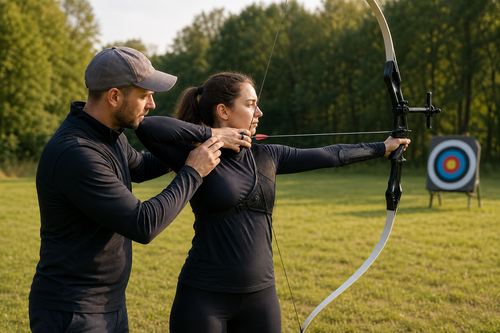
Walk into any archery range and you will quickly notice that bows come in more shapes and configurations than most beginners expect. Choosing the wrong style early on can slow your progress, create bad habits, or simply lead to frustration. This guide breaks down each major bow type, explains how it functions, and helps you figure out which direction fits your shooting goals.
Why the Type of Bow You Choose Actually Matters
Every bow category has a distinct draw cycle, learning curve, equipment requirement, and competitive pathway. A recurve demands more technique from the archer because there is less mechanical assistance. A compound bow uses a cam system to reduce holding weight, which changes how you aim and release. A longbow strips everything back to the most traditional form of the sport.
These differences are not just cosmetic. They affect how quickly you develop, what equipment you need to buy, what disciplines you can compete in, and how your body will adapt over time. Getting this decision right early saves money and builds a stronger foundation.
The Main Types of Bows in Archery
Recurve Bow
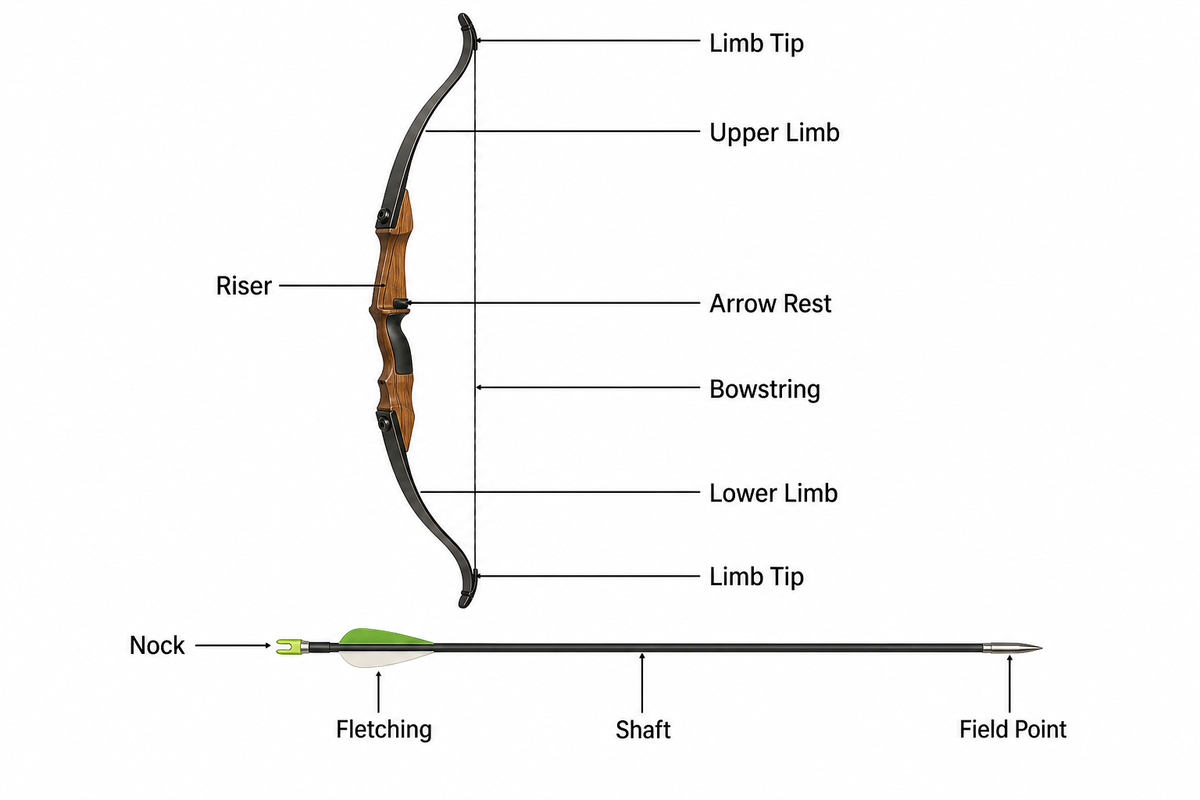
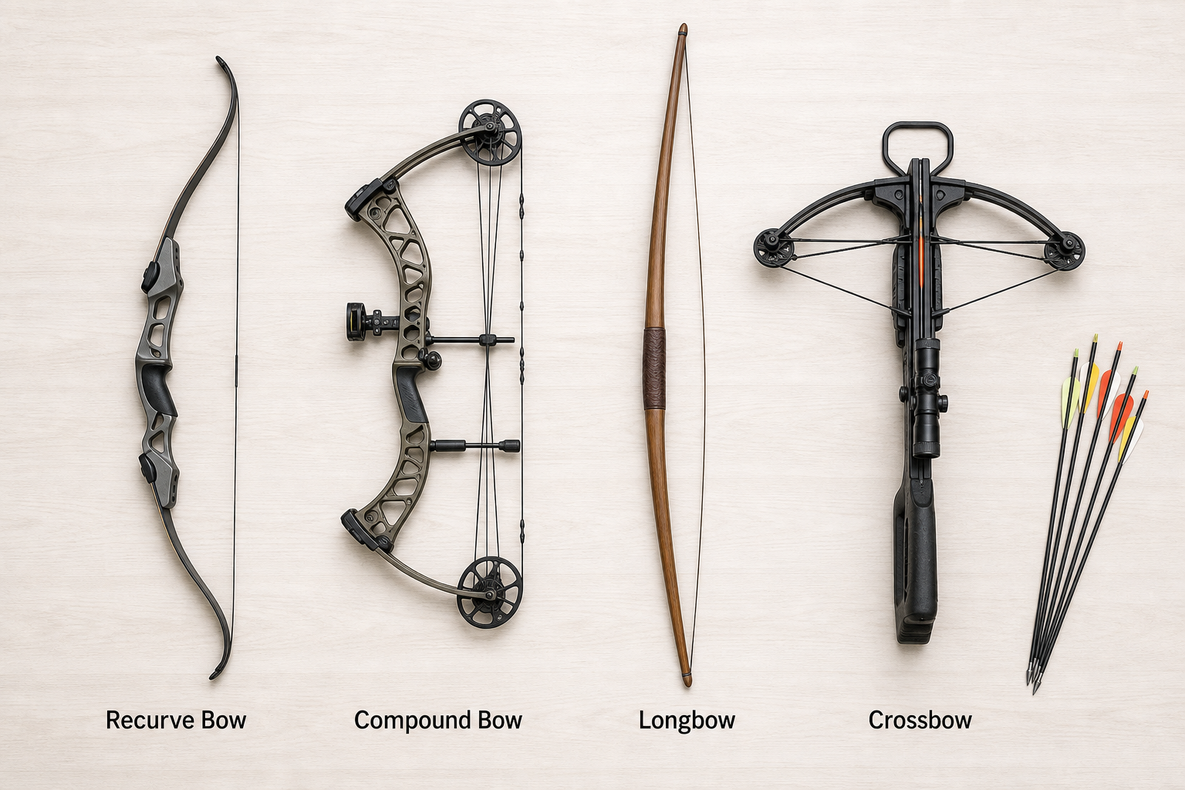
The recurve is the most widely taught bow in the world and the only bow style used in the Olympic Games. Its limbs curve away from the archer at the tips, which stores and delivers energy more efficiently than a straight limb design. This makes it capable of generating solid arrow speed from a relatively compact frame.
For beginners, the recurve is often the recommended starting point because it teaches fundamental form without mechanical shortcuts. When your technique is off, a recurve will tell you immediately through inconsistent groupings. That feedback loop, while humbling, accelerates learning faster than most alternatives.
Many recurves sold today are takedown recurve bows, meaning the limbs detach from the riser. This design makes them easy to transport, allows you to swap limb weights as you grow stronger, and generally makes the bow more affordable to upgrade over time.
- Best for: Beginners, competitive target archers, Olympic-style shooting
- Typical draw weights for beginners: 20 to 30 lbs
- Key features: Curved limb tips, detachable limb design (on takedown models), minimal accessories required to start
Compound Bow
The compound bow uses a system of cams and cables to create a mechanical advantage known as let-off. At full draw, the archer holds only a percentage of the peak draw weight, typically between 65 and 90 percent less than the maximum. This lets the shooter aim longer and with greater steadiness before releasing.
Compounds are popular in bowhunting and 3D archery because of their flat trajectory, speed, and the wide range of accessories they support — sights, stabilisers, arrow rests, and release aids all integrate cleanly into the platform. However, compounds are less forgiving of setup errors. If the draw length is incorrect or the cam timing is off, accuracy suffers significantly.
- Best for: Bowhunters, 3D archers, shooters who want mechanical assistance
- Key consideration: Requires precise fitting to the individual archer's draw length and draw weight
- Accessories: Usually shot with a mechanical release aid rather than fingers
Traditional Longbow
The longbow is one of the oldest projectile weapons in recorded history and remains an active discipline in both recreational and competitive archery. It has no shelf cut into the riser, a relatively narrow limb profile, and is almost entirely free of accessories. Shooting a longbow is an exercise in instinctive shooting — the archer develops a feel for distance and trajectory rather than relying on a sight pin.
Progress with a longbow tends to be slower than with modern equipment, but many archers find the process deeply rewarding. It demands consistency in anchor point, grip, and release that, once developed, tends to be highly transferable to other bow styles.
- Best for: Traditional archery enthusiasts, rovers, instinctive shooting practitioners
- Limitation: Steeper learning curve, fewer mechanical aids available
Barebow Recurve
Barebow sits between Olympic recurve and traditional archery in terms of equipment. It uses a standard recurve frame but without a sight, stabiliser, or clicker. Archers aim using string walking or face walking techniques. Barebow has grown significantly in popularity and now has its own formal competitive category at World Archery events.
It is an excellent middle path for archers who enjoy the feel of a traditional discipline but want the ergonomic comfort and consistency of a modern riser design.
Crossbow
The crossbow mounts the bow mechanism horizontally on a stock, allowing the archer to draw and lock the string in place before aiming. This makes it accessible to people with upper body injuries, limited strength, or physical conditions that make a vertical bow difficult to draw and hold.
Crossbows are legal for hunting in many regions and have their own competitive formats. They are not typically recommended as a primary learning tool for new archers because the shooting experience differs substantially from vertical bow disciplines, but they serve a genuinely important role in adaptive archery and hunting contexts.
Practical Guidance: How to Choose Your First Bow
The right starting bow depends on three practical factors:
- Your purpose: Target shooting, hunting, recreational backyard practice, or competitive sport all have different equipment demands.
- Your physical build: Draw length matters enormously. A bow that does not match your natural draw length will cause inconsistency and potential injury over time.
- Your budget: Entry-level recurves are generally more affordable than entry-level compound setups once you factor in the accessories a compound requires to function properly.
If you are completely new to the sport, visiting a reputable archery shop where staff can measure your draw length and let you try different styles before committing is strongly recommended. Buying blind online without knowing your draw length is one of the most common and costly beginner errors.
Once you have a sense of which direction suits you, browsing a wide range of new archery products from an established supplier gives you the confidence that you are looking at properly categorised, fit-for-purpose equipment rather than generic sporting goods.
Common Mistakes When Choosing Between Bow Types
- Buying too heavy a draw weight too soon. Many beginners are drawn to high poundage because it sounds impressive. Starting too heavy ingrains poor form and increases injury risk.
- Assuming compound bows are easier to learn. The mechanical let-off makes holding easier, but the setup complexity and accessory requirements create a different set of challenges for a beginner.
- Skipping the fitting process. Draw length is not a preference — it is a measurement. Using the wrong draw length consistently reinforces incorrect technique.
- Choosing based on aesthetics alone. A bow that looks appealing but does not match your shooting style or goals will likely end up collecting dust within a few months.
- Not considering future pathways. If you think you might eventually want to compete, research which bow styles are accepted in your target discipline before purchasing.
Frequently Asked Questions
Which bow type should an absolute beginner start with?
Most archery coaches recommend a takedown recurve as the first bow. It teaches fundamental technique without mechanical shortcuts, is widely available, and is easy to upgrade as your skills develop. A draw weight between 20 and 28 lbs is appropriate for most adults starting out.
Is a compound bow harder to learn than a recurve?
They present different challenges. A compound reduces the physical effort of holding at full draw, but it requires precise setup — particularly correct draw length — and typically needs more accessories to function effectively. A recurve has fewer moving parts and a more forgiving setup process for someone just starting out.
What mistakes do beginners usually make when picking a bow style?
The most common errors are choosing too heavy a draw weight, skipping a proper draw length measurement, and selecting a bow based on how it looks rather than how it fits their intended use. Trying different styles at a physical range or shop before buying is the best way to avoid these pitfalls.
Can you switch bow styles later on?
Yes, and many archers do. The core principles of stance, alignment, and follow-through transfer reasonably well across styles. Some technique adjustments are needed — particularly around the anchor point and release method — but a solid foundation in one style makes learning another significantly easier.
Building Your Understanding Over Time
Exploring archery types of bows is not a one-time decision — it is an ongoing education. Many experienced archers shoot multiple styles across different seasons or disciplines. The important thing early on is to start somewhere practical, get proper instruction, and resist the temptation to over-invest in equipment before your technique is established.
If you are ready to take the next step, exploring the range available at Legend Archery's online shop is a good place to compare options across bow styles and price points with confidence.