Skip to content
 cust@legendarchery.com
 302 503 5767
 Westfield IN 46074


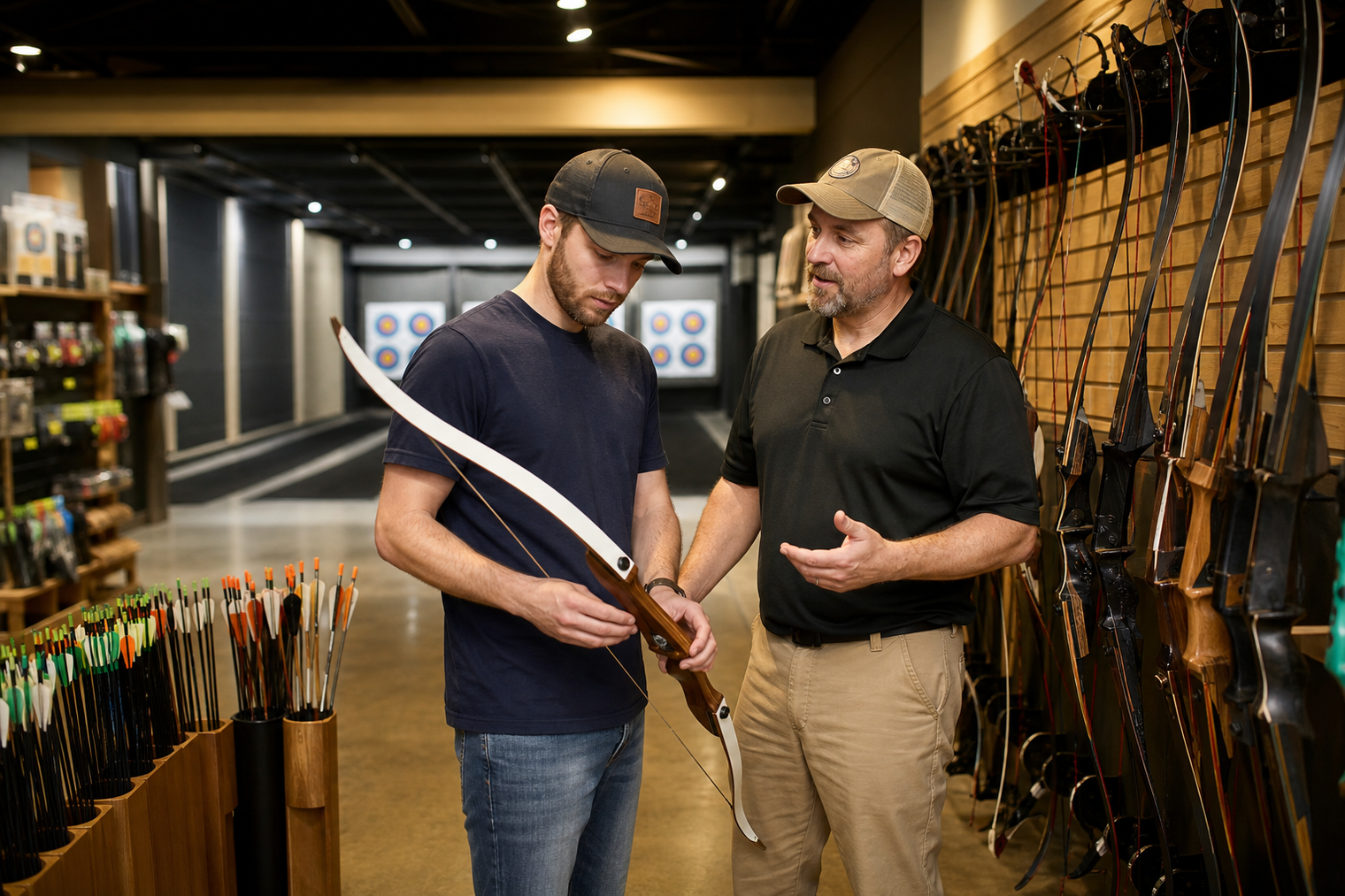
New to archery and not sure where to start shooting? Or maybe you've been practicing in the backyard and want access to better facilities and real expert advice. For most archers, the first practical step is walking into a local pro shop or visiting an authorized retailer that offers range access. These spaces do a lot more than sell equipment — they're often the backbone of the local archery community.
Why Finding the Right Place to Shoot Matters More Than You Think
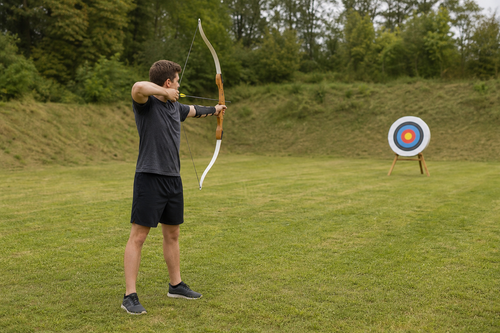
Where you practice has a direct impact on how fast you improve. A backyard setup or open field might work for casual shooting, but it comes with real limitations: inconsistent distances, no coaching, no access to target systems built for feedback, and no one around to spot a form problem before it becomes a habit.
Pro shops and dedicated archery retailers fill that gap. Many carry in-house shooting lanes — typically 20 yards for indoor setups — where customers can test bows, work on technique, and get immediate feedback from staff who shoot themselves. For beginners especially, this environment removes a lot of guesswork from the early stages of learning.
What Pro Shops Actually Offer Archers
The term "pro shop" gets used loosely, but in the archery world it refers to a specialty retailer staffed by experienced archers who can service, tune, and fit equipment. Here's what a good pro shop typically brings to the table:
- Draw length and draw weight fitting: Getting these two settings right is critical, especially for compound bow shooters. A pro shop technician can measure your draw length accurately and help you select a bow that fits your frame, not just your budget.
- On-site shooting lanes: Most pro shops have at least one or two lanes for customers to test bows before purchasing. Some have full indoor ranges open to walk-ins or members.
- Bow tuning and repairs: Paper tuning, rest adjustments, serving repairs, string replacements — these are services you simply can't replicate at home without the right tools and experience.
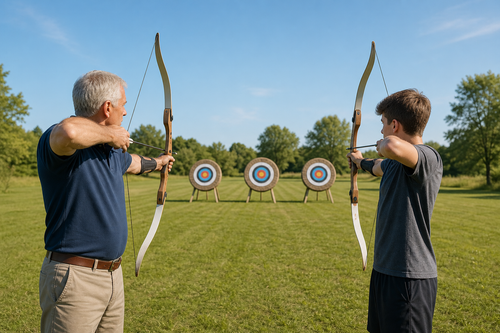
- Certified coaching or referrals: Many pro shops either employ certified instructors or know coaches in the area. If you're serious about improving, this connection alone is worth the visit.
- Equipment recommendations without the online guesswork: It's easy to buy the wrong arrow spine or the wrong release aid online. In a pro shop, someone can walk you through what actually matches your setup.
How Archery Retailers Differ from Pro Shops
Not every archery retailer runs an in-store range or employs a bow technician. Some retailers focus primarily on stocking a broad selection of bows, arrows, and accessories at competitive prices, while leaving the fitting and tuning to the customer or to a nearby specialist.
That doesn't make them less useful — it just means you need to know what you're walking in for. A well-stocked retailer is an excellent resource when you already know what you need, when you're restocking consumables like arrows or broadheads, or when you're comparing prices on a specific model. If you're looking to explore new archery products and want to browse a wide range of gear, a retailer with strong inventory is often the better starting point.
For beginners or anyone making a significant equipment change, a pro shop's hands-on service usually justifies the visit even if prices aren't always the lowest on the shelf.
How to Find a Reputable Place to Shoot Near You
There's no single directory that covers every archery shop or range, but a few reliable approaches consistently work:
- Check manufacturer and brand retailer locators: Many archery brands maintain searchable maps of their authorized dealers. If you're already interested in a specific bow brand, start there. You can also browse Legend Archery's retailer listings to locate shops near you that carry their lineup.
- Search for archery clubs in your region: National archery associations often maintain club directories. Local clubs frequently shoot at ranges attached to or affiliated with pro shops.
- Ask at a sporting goods store: Even if a large sporting goods chain doesn't have archery specialists on staff, they often know which specialty shops or ranges operate nearby.
- Look for indoor ranges during off-season: In colder climates, many outdoor archers shift to indoor ranges from fall through early spring. Searching specifically for indoor archery ranges in your area during winter may surface options that aren't as visible in warmer months.
What to Look for When You Visit
Once you've identified a shop or range worth visiting, a few things will tell you quickly whether it's worth making your regular spot:
- Staff who shoot: This sounds obvious, but it matters. Staff who actively shoot — whether it's recurve, compound, or traditional — give advice from actual experience, not just from product packaging.
- A clean, well-maintained range: Target faces that are consistently replaced, safe backstops, and clear lane distance markings are signs that the range is run properly.
- Willingness to answer questions without pressure to buy: A good shop welcomes questions. If you feel pushed into a purchase before you've had a chance to shoot or ask about alternatives, that's a red flag.
- A range of price points on equipment: Quality pro shops stock gear across a wide range, from beginner setups to high-end competition bows. A shop that only pushes top-tier gear to every customer regardless of their needs isn't serving archers well.
Common Mistakes Archers Make When Choosing Where to Shoot
These mistakes are easy to avoid once you know what to watch for:
- Choosing convenience over quality: The closest shop isn't always the best one. Driving an extra 20 minutes to reach a shop with skilled staff and a proper range can make a meaningful difference in your development.
- Skipping the visit entirely and buying online: Online retailers offer great prices, but buying a bow without shooting it first — or without getting a proper fit — is one of the most common and costly mistakes new archers make.
- Assuming all ranges are the same: A 20-yard indoor lane and a 60-meter outdoor range serve very different purposes. Make sure the range you're visiting actually matches what you're training for.
- Not asking about membership or range fees upfront: Some ranges charge walk-in fees, some require memberships, and others offer free shooting if you purchase gear in-store. Clarify this before your first visit so there are no surprises.
- Overlooking the community aspect: One of the most underrated benefits of a good pro shop or range is the people. Other archers at your skill level, more experienced shooters willing to share tips, and coaches who visit regularly — these relationships accelerate improvement faster than any equipment upgrade.
Frequently Asked Questions
Do I need to own a bow before visiting a pro shop?
No — and in many cases it's better if you don't. Visiting a pro shop before buying gives staff a chance to assess your draw length, your goals, and your budget before recommending a bow. Many shops have loaner or demo bows available for first-time visitors to try during a fitting session.
Can I just walk into a pro shop range without an appointment?
It depends on the shop. Some ranges operate on a walk-in basis during open hours, while others require booking lane time in advance — especially on weekends when demand is higher. Calling ahead or checking the shop's website before visiting saves you a wasted trip.
What's the difference between a pro shop range and a public archery range?
A pro shop range is typically indoors, connected to a retail space, and staffed by people who can assist with equipment. A public archery range — often managed by a parks department or archery club — is usually outdoors, offers longer distances, and may operate with minimal staffing. Both serve different training needs and are worth knowing about in your area.
What should I bring to my first pro shop visit?
Comfortable clothes that don't restrict arm movement, any archery gear you already own (so staff can assess what you're working with), and a list of questions about what you want to achieve. If you've been experiencing a specific problem — like arrows consistently grouping left or a painful pinch at full draw — mention it. That context helps staff diagnose the issue faster.
Finding Your Starting Point
The right pro shop or retailer makes the early stages of archery significantly more productive and less frustrating. Whether you're looking for a place to test your first bow, get a setup properly tuned, or simply find a community of like-minded shooters, knowing what to look for helps you choose wisely. If you're already exploring gear options, browsing outdoor archery supplies can give you a better sense of what's available before you walk through the door.