Skip to content
 cust@legendarchery.com
 302 503 5767
 Westfield IN 46074


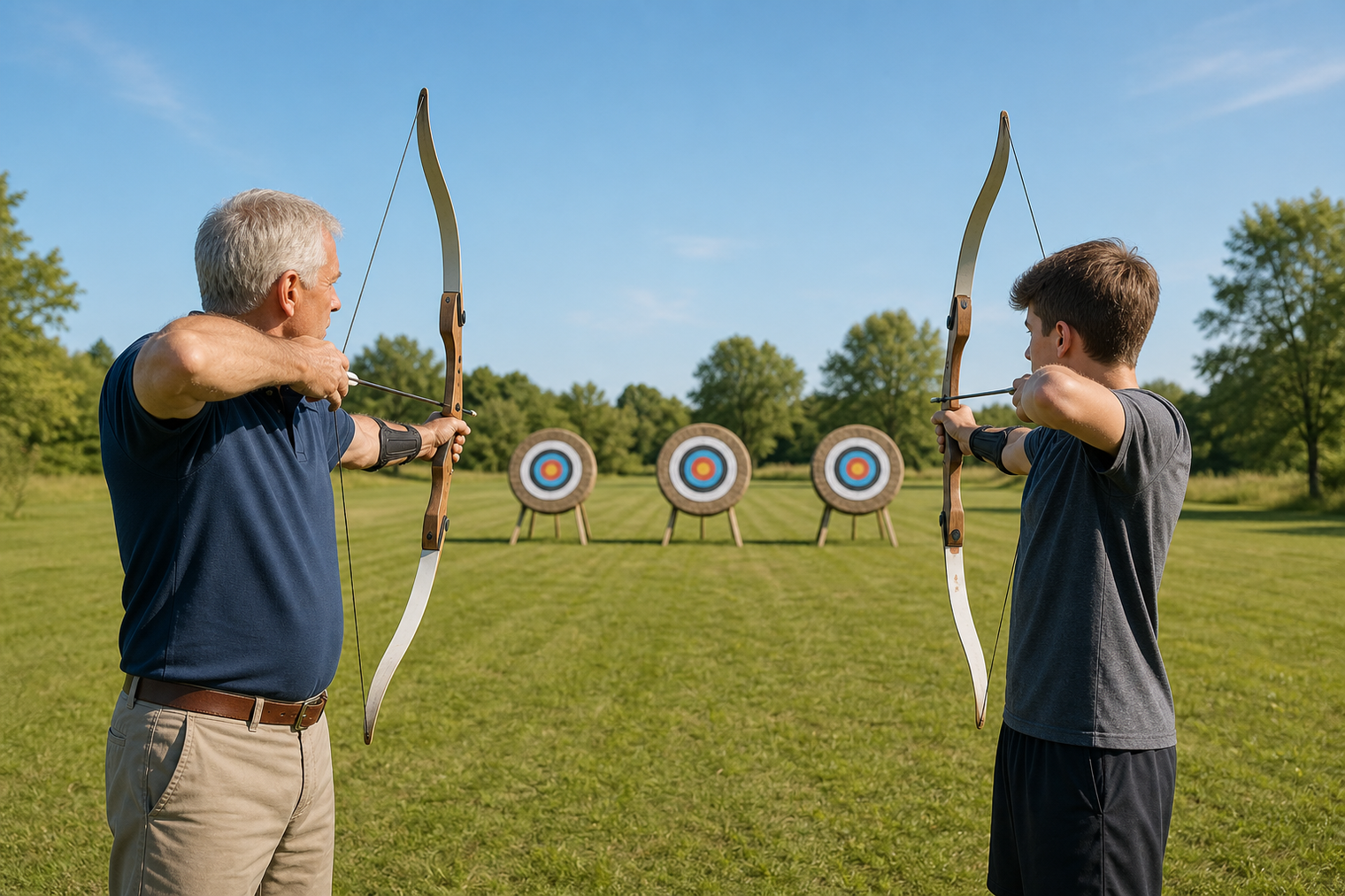
Most people assume archery is a young person's sport. It isn't. Unlike sports that rely heavily on speed, explosive power, or peak cardiovascular output, archery rewards patience, consistency, and form — qualities that often improve with age. If you've been putting it off because you think you've missed the window, you haven't. Here's what you actually need to know to get started.
Why Archery Is One of the Most Age-Inclusive Sports Around
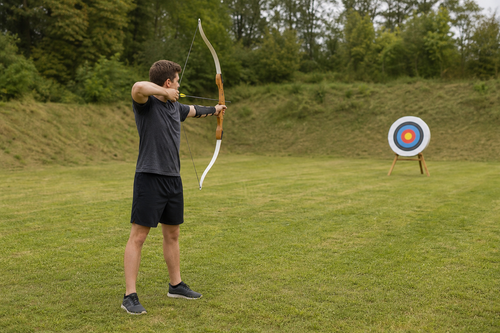
Archery is a precision discipline. The core skill is repeating the same movement, with the same tension, the same anchor point, and the same release — shot after shot. That's not about being young. It's about being deliberate.
Governing bodies including World Archery have long recognised that archers compete well into their 50s and 60s at elite levels. At the recreational and club level, it's common to see ranges where an 8-year-old and a 65-year-old are shooting side by side, both improving, both enjoying the process. The sport adapts to the person, not the other way around.
Some physical attributes that tend to improve with age — mental focus, emotional control under pressure, willingness to follow technical instruction — are precisely what archery rewards most.
What Archery Actually Requires Physically
One of the most common misconceptions is that you need significant upper body strength to shoot a bow. For recreational archery, you don't. What you need is:
- Adequate shoulder stability — not strength, but the ability to hold a controlled position without compensating with your neck or back.
- Comfortable grip and finger dexterity — for operating the bow and release aid or finger tab.
- Reasonable standing balance — though seated archery is a fully recognised format for those who need it.
- Patience with repetition — the willingness to shoot the same shot dozens of times in a session.
Draw weight is the adjustable variable that makes this work. A beginner bow — recurve or compound — can be set at draw weights as low as 15 to 20 pounds. That's genuinely light. As your form solidifies and your supporting muscles develop over weeks and months, draw weight can be increased incrementally. There is no rush, and no minimum requirement to prove yourself on day one.
Choosing the Right Bow for Where You're Starting
Equipment choice matters more for older or physically limited beginners than it does for teenagers who can compensate with raw energy. Getting this right early saves frustration and reduces injury risk.
Recurve Bows
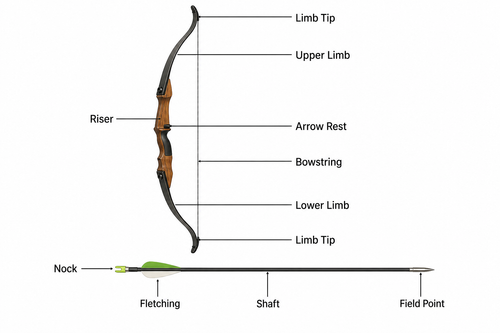
A recurve is often recommended for complete beginners because it teaches core form without as many mechanical aids. The learning curve is steeper, but the feedback is immediate — you feel every flaw in your technique directly. Starting with a low draw weight on a recurve and working with a coach gives most adults a solid foundation within a few months.
Compound Bows
A compound bow uses a system of cams and cables to reduce the holding weight at full draw — often to 60–80% of the peak draw weight. This means you can use a higher peak draw weight while holding far less at the anchor point. For adults with joint concerns or limited grip strength, this mechanical advantage is genuinely helpful. Compound bows are also highly adjustable in draw length, which matters when fitting equipment to an adult body rather than a growing teenager.
If you're unsure where to begin with equipment, browsing Legend Archery's online shop is a good starting point for seeing what's available across different categories and price points.
The Real Progression Timeline for Adult Starters
Adults learning archery often progress differently from children, and that's fine. Here's a realistic picture of what the first year typically looks like:
- Weeks 1–4: Focus entirely on stance, grip, draw, and release. Don't worry about score. Don't obsess over arrow groupings. Build the movement pattern.
- Months 2–3: Consistency starts to appear. Arrows group more reliably. You begin to understand what a bad shot felt like before it landed.
- Months 4–6: Introduce aiming refinements, experiment with anchor point adjustments, consider whether your draw weight still matches your form.
- Months 6–12: Most adults are shooting competently at this stage, joining club leagues or outdoor field archery rounds with confidence.
The timeline varies. Some people progress faster, some slower. Neither is a problem. The sport has room for both.
Common Mistakes Adult Beginners Make
These aren't just beginner mistakes — they're the specific errors that older or returning starters tend to make, often because of assumptions carried over from other sports.
- Starting with too much draw weight. Ego-driven draw weight is the number one cause of bad form and shoulder injury in new adult archers. Start lighter than you think you need to.
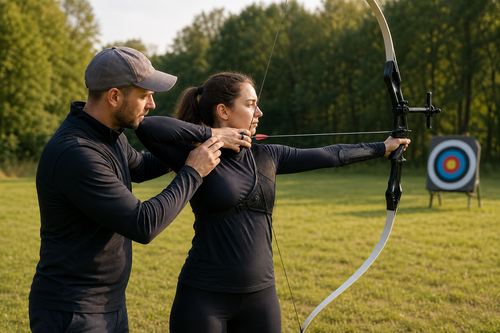
- Skipping professional instruction. Archery form errors compound. A bad habit learned in week one can take months to undo. Even two or three lessons with a qualified coach saves significant time.
- Buying equipment before understanding fit. Draw length is individual. A bow that doesn't match your draw length will undermine your form regardless of its quality or price.
- Treating it like a strength sport. Muscling through a shot produces inconsistent results. Archery is about skeletal alignment, not muscular effort. Relaxation is a skill.
- Ignoring recovery. Shooting large volumes before the supporting tendons and muscles have adapted leads to overuse injuries — particularly in the elbow and shoulder. Progress volume gradually.
Adaptive Archery: When the Standard Format Needs Adjusting
Archery has well-developed adaptive formats. Seated archery is a recognised discipline. Equipment modifications — including release aids, wrist supports, and bow stands — exist for archers with limited mobility or hand strength. No one is required to shoot standing, with fingers, at a standard distance. The sport accommodates. If you have specific physical limitations, contact your national federation or a local club with adaptive experience before assuming archery won't work for you.
For those exploring what's available in terms of equipment that supports adaptive or low-draw-weight setups, outdoor archery supplies cover a broad range of options worth reviewing.
Frequently Asked Questions
Can I actually get good at archery if I start in my 40s, 50s, or later?
Yes. Many archers who begin as adults reach a competitive club level within one to two years. The qualities that matter most — focus, discipline, consistency — don't decline with age the way speed or explosive power does. Physical limitations can usually be accommodated through equipment choice and technique adjustments.
How do I know what draw weight to start with?
A general starting point for adults is 20–30 lbs on a recurve and 30–40 lbs peak on a compound (holding weight will be lower). However, the right answer depends on your build, shoulder mobility, and whether you have any pre-existing joint issues. A qualified coach or a knowledgeable staff member at an archery shop can help you find a starting point safely. Don't rely on what feels impressive — rely on what allows you to maintain clean form for a full session.
Do I need to be fit before I start archery?
No. Archery builds its own relevant fitness over time. You will develop postural stability and specific supporting muscle tone through regular practice. You don't need to complete a fitness programme before picking up a bow — though general mobility work is always beneficial for any physical activity.
What's the biggest mistake new adult archers make?
Starting with draw weight that exceeds their current ability to hold correct form. It's a consistent pattern: someone assumes a light bow is beneath them, picks up too much weight, develops compensations to manage it, and then spends months undoing bad habits. Start conservatively and increase gradually.
Getting Properly Set Up
Once you've decided to start, the equipment step is straightforward if you approach it methodically. Get your draw length measured professionally. Choose a bow style that suits your goals and physical situation. Start with low draw weight. Invest in at least a few lessons. Everything else builds from there.
If you're looking for a range of equipment to get started or to upgrade your setup, Legend Archery's new archery products section is worth exploring for current options across bow types and accessories.
The Bottom Line
In archery, age doesn't matter — not in the way it does in most sports. The barriers to entry are low, the equipment is highly adjustable, and the skills that make someone genuinely good at this discipline are ones that develop and stabilise over time. If you've been waiting for the right moment, this is a reasonable argument that there isn't one — which means now is as good a time as any to start.