Skip to content
 cust@legendarchery.com
 302 503 5767
 Westfield IN 46074


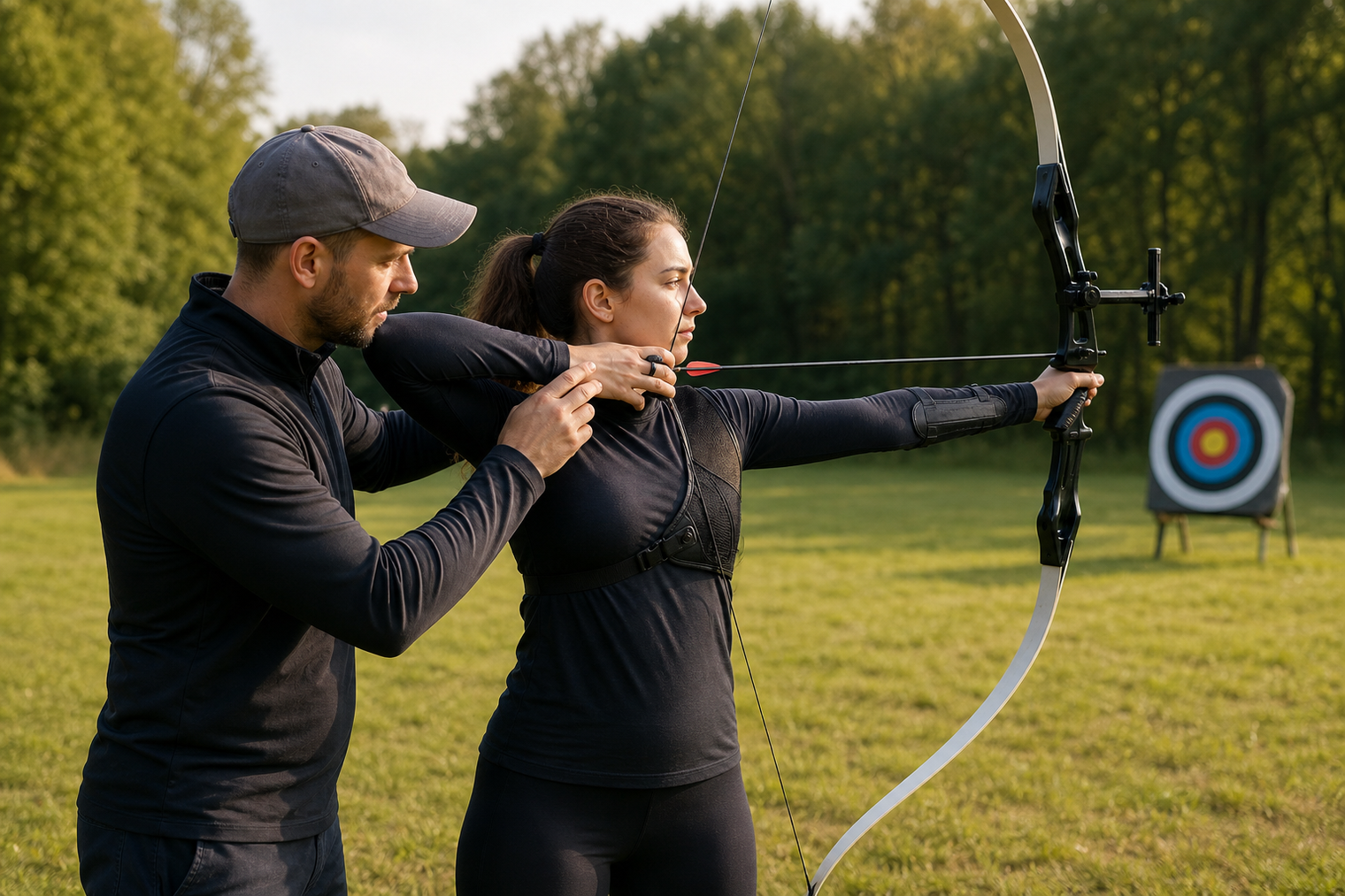
Picking up a bow and figuring things out on your own is tempting, but it often leads to reinforced bad habits that take twice as long to unlearn. Structured coaching is one of the most reliable ways to build a solid foundation. Whether you are a complete beginner or a club shooter trying to tighten your groups, the right archery classes and programs sharpen your skills in ways that solo range sessions simply cannot replicate.
Why Structured Coaching Beats Self-Teaching
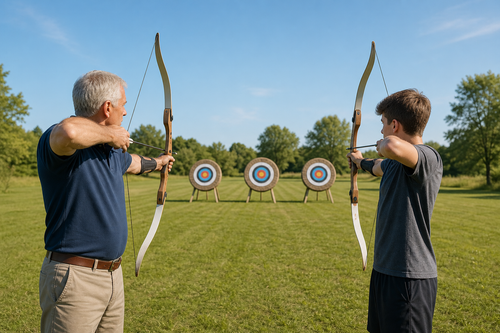
Video tutorials and online guides have their place, but they cannot watch your draw and tell you your elbow is rotating outward. A qualified instructor provides real-time feedback on body mechanics, equipment fit, and shot timing — three variables that are almost impossible to self-diagnose consistently.
Beyond technique, structured programs also provide a clear progression path. Instead of randomly drilling the same distance week after week, a well-designed curriculum moves you through anchor point development, back tension, follow-through, and eventually competition simulation. That sequenced approach shortens the learning curve significantly.
Types of Archery Classes and What They Cover
Beginner Introduction Courses
Most clubs and ranges offer a short introductory course — typically two to four sessions — designed to teach safety, basic stance, and the fundamental shot sequence. Equipment is usually provided, which lets you try recurve or compound before committing to a purchase. These courses are also where instructors assess your dominant eye, which affects bow hand selection and sight setup.
Intermediate and Technique-Focused Programs
Once you have cleared the basics, intermediate programs focus on repeatability. Coaches work on:
- Anchor point consistency — landing at exactly the same position every draw
- Back tension release — using scapular engagement instead of punching the trigger
- Breathing rhythm — timing the shot within your natural respiratory pause
- Bow arm stability — eliminating torque before the arrow leaves the rest
This level of coaching is where most recreational archers see the biggest score jumps because technique errors at this stage are systematic, not random.
Discipline-Specific Training
Target archery, field archery, 3D archery, and bowhunting all require different skill sets. A program tailored to your discipline matters. A field archer shooting unknown distances needs range estimation and shooting-through-terrain techniques that a target archer standing on a flat platform does not need. Similarly, bowhunters benefit from shot-angle training and practice from elevated positions — skills rarely covered in standard club programs.
How to Choose the Right Program for Your Goals
Not every coaching environment suits every archer. Consider these factors before enrolling:
- Instructor credentials — Look for coaches certified through recognised national governing bodies such as World Archery or USA Archery. Certification indicates they have been trained to teach, not just shoot well.
- Class size — Smaller groups allow more individual attention. A ratio of one instructor to six or fewer students is generally more productive than large group sessions.
- Equipment compatibility — If you already own a bow, check that the program accommodates your style (recurve, compound, or traditional). Some beginner courses are recurve-only.
- Progression structure — Ask whether there is a defined curriculum or whether sessions are informal. Structured curricula produce more consistent results.
- Practice access — Coaching hours alone are not enough. Confirm whether the program includes supervised open practice time between lessons.
What to Bring and How to Prepare
If you are attending your first structured class, arrive knowing a few things. Wear close-fitting clothing on your bow arm — loose sleeves catch strings and hurt. Bring a notepad or use your phone to record coaching cues, because what an instructor tells you in the moment is easy to forget by the next session.
If you have your own equipment, make sure it has been set up correctly before class. Mistuned equipment masks technique problems and creates misleading feedback. If you are unsure whether your gear is dialled in, visiting a dedicated archery shop before your first lesson is worth the time — staff can check draw length, arrow spine, and nocking point before your coach has to troubleshoot equipment instead of form.
Common Mistakes Archers Make When Starting a Program
Joining a structured class does not automatically guarantee improvement. These are the most frequent pitfalls:
- Ignoring feedback between sessions — Coaching only works if you apply the corrections during solo practice. Waiting until the next lesson to try a new technique slows progress dramatically.
- Overloading draw weight too quickly — Some archers increase poundage before their form is stable, hoping more power will improve their scores. It usually does the opposite and risks injury.
- Skipping the fundamentals phase — Experienced archers returning after a break sometimes jump into intermediate classes. Gaps in foundation technique become obvious under pressure and are harder to fix later.
- Neglecting equipment maintenance — A worn serving, a bent arrow, or a dirty rest will undermine what you are learning in class. Equipment problems and technique problems produce similar symptoms.
- Practising errors at volume — High-repetition practice reinforces whatever pattern you are grooving. If your form is still being corrected, keep session volume moderate until the movement feels reliable.
Making the Most of Your Training Between Sessions
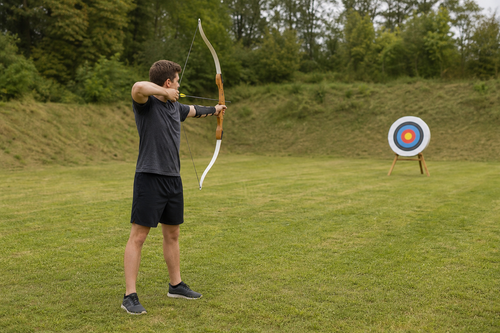
Progress between classes matters as much as what happens inside them. Blank bale practice — shooting at a close target without aiming — is one of the most effective drills for ingraining a clean shot sequence without the distraction of score. Many coaches assign this specifically when an archer is rebuilding a technique element.
Video is another underused tool. Setting up a tripod to record your shots from the side and from behind gives you access to feedback your coach cannot always provide in real time. Review the footage looking for the specific cue your instructor has identified, rather than watching everything at once.
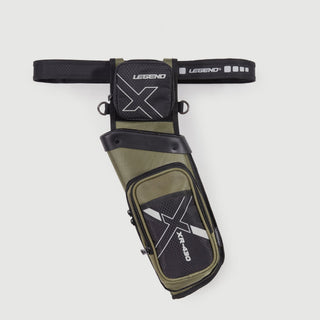
Pairing good coaching with the right gear matters too. If your program involves outdoor shooting, making sure you have outdoor archery supplies suited to your discipline — weather-appropriate fletching, appropriate arrow weights, a reliable quiver — keeps your practice sessions productive rather than interrupted by equipment failures.
Frequently Asked Questions
How quickly will I see improvement from archery classes?
Most beginners notice measurable consistency gains within four to six sessions of structured coaching, assuming they practise between lessons. The pace depends heavily on how frequently you shoot and how diligently you apply corrections outside of class.
Why do structured programs work better than just practising on my own?
Self-practice reinforces your current movement patterns, good or bad. A coach identifies flaws you cannot see or feel yourself, especially in the back half of the shot cycle. Structured archery classes and programs sharpen your skills precisely because they introduce external feedback that self-taught practice cannot provide.
What mistakes do beginners make when joining an archery program?
The most common is inconsistent practice between sessions — attending class but not applying coaching cues during solo range time. The second is progressing to heavier draw weights before form is stable, which masks technique problems and can cause injury.
Do I need my own equipment before starting classes?
Most beginner programs provide loaner equipment, so you do not need to buy anything immediately. Once you have confirmed which style of archery suits you, investing in properly fitted gear makes a noticeable difference. A good starting point is browsing new archery products that match your discipline once you know what you need.
Final Thoughts
Good coaching compresses the learning timeline and gives you a reliable framework to diagnose your own form as you advance. The combination of structured instruction, consistent solo practice, and properly fitted equipment is the most direct route from beginner to confident, accurate archer. Find a program that suits your discipline and shooting style, and commit to the process.