Skip to content
 cust@legendarchery.com
 302 503 5767
 Westfield IN 46074


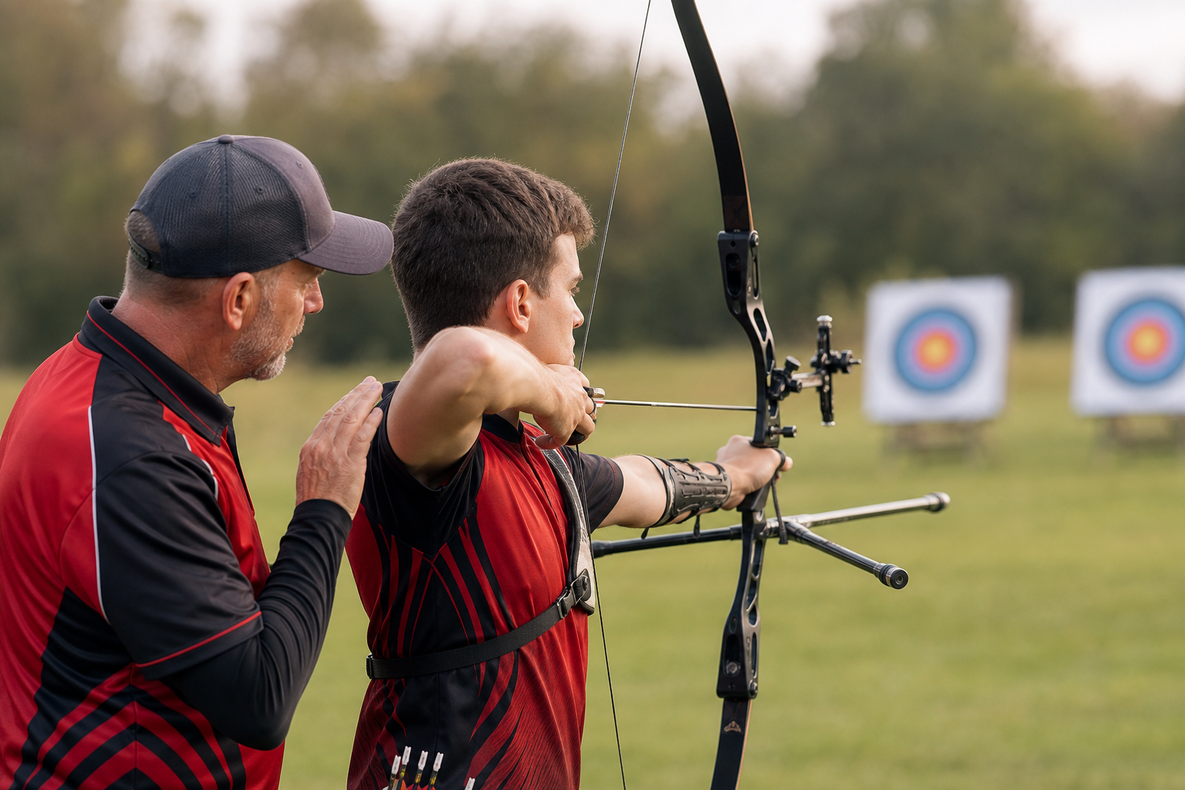
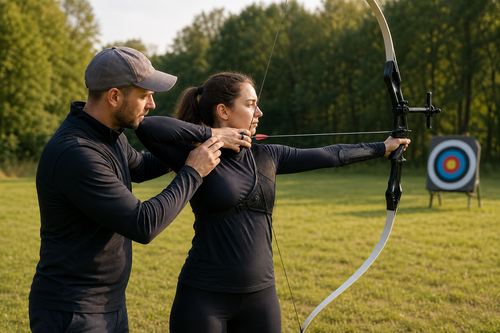
A lot of archers spend years on the range without a clear picture of what they are actually trying to fix. Archery coaching brings structure to that process — identifying what breaks down in the shot cycle, why it happens, and how to build more consistent habits. Whether you shoot recurve, compound, or traditional, the principles behind good coaching transfer across disciplines.
Why Coaching Accelerates Progress in Archery
Self-coaching has real limits. The human body is not wired to feel what it cannot see, and most shot errors happen in fractions of a second. An archer focusing on aiming often has no awareness that their bow arm is collapsing, their grip is tensing, or their draw elbow is dropping at full draw. A trained coach watches for exactly these things.
Beyond spotting errors, a good coach understands the cause-and-effect chain in a shot. A flyer to the left at 30 metres might look like an aiming problem but trace back to a collapse in the back muscles during expansion. Treating the symptom rather than the cause is one reason so many self-taught archers plateau. Structured coaching interrupts that cycle early.
Coaches also bring accountability. Having a regular review of your shooting — whether through live sessions, video analysis, or logged practice notes — creates a feedback loop that solo practice rarely generates.
Core Principles Behind Effective Archery Coaching
Good coaching, regardless of the style or organisation delivering it, tends to rest on a handful of consistent principles.
Building the Shot Cycle First
Before accuracy is ever discussed seriously, a coach will work to establish a reliable, repeatable shot sequence. This usually includes stance, grip, set-up, drawing motion, anchor, alignment check, expansion or transfer, aim, and follow-through. Each element has to be understood individually before the archer can integrate them smoothly.
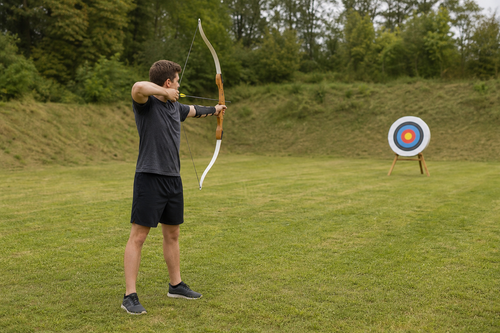
The anchor point is one of the most coached elements in recurve and traditional shooting. Even a small shift in where the drawing hand contacts the face from shot to shot changes arrow impact significantly at longer distances. Establishing a consistent anchor early reduces variables that become much harder to correct later.
Separating Aiming from Execution
Beginners almost universally over-focus on aim and under-focus on execution. A coach will often deliberately limit aiming attention in early sessions, directing the archer's focus toward what the body is doing during the draw and through the clicker or release. The logic is straightforward: if execution is inconsistent, a perfect sight picture means nothing.
This is why many coaches use blank bale drills — shooting at a plain target face from close range with no aiming intent. It removes the outcome pressure and forces the archer to feel the shot rather than watch it.
Feedback That Is Specific and Actionable
Vague feedback stalls progress. Telling an archer they need to "relax more" rarely produces improvement. Effective coaching identifies which muscles are tensing, in which phase of the shot, and offers a concrete cue or drill to address it. The difference between "keep your bow arm up" and "imagine pressing your elbow crease outward as you draw" is the difference between a description and a coaching intervention.
Video analysis has become an accessible part of coaching at almost every level. Even a smartphone recording a shot from the side or behind gives a coach and archer data that memory alone cannot supply.
Managing the Mental Game
Physical technique only accounts for part of archery performance. A well-structured coaching programme will eventually address how an archer responds to pressure, how they recover from a bad end, and how they maintain process focus during competition. These are not abstract psychological concepts — they are practical skills that can be trained through deliberate practice and specific mental routines.
Practical Steps to Get the Most from Coaching
- Come with questions. A coach can observe your shooting, but knowing what has been frustrating you or where you feel inconsistent gives them a faster starting point.
- Record your sessions. Even brief notes on what was worked on and what changed helps you retain information and track patterns over time.
- Drill between sessions. Coaching sessions alone are not enough. The habit is built through deliberate repetition in your own practice time.
- Be patient with regression. When a coach introduces a technical change, scores often drop temporarily. This is normal. New motor patterns take time to consolidate.
- Ask for the reasoning. Understanding why you are being asked to change something makes it easier to self-monitor and gives you ownership of the adjustment.
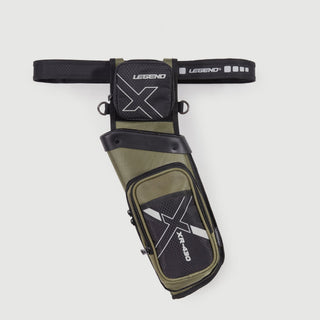
If you are setting up or equipping a training environment, having the right gear accessible matters. Browsing outdoor archery supplies can help coaches and club organisers find what they need to run effective sessions.
Common Mistakes Archers Make Around Coaching
Even archers who actively seek coaching often undercut the process without realising it. These are the errors that come up repeatedly.
- Taking advice from too many sources at once. Well-meaning club members, YouTube videos, and a formal coach can give contradictory cues. Working on too many things simultaneously makes it impossible to isolate what is actually helping.
- Jumping to equipment changes before addressing form. A new sight, a different arrow spine, or a lighter draw weight might be warranted — but not before ruling out technique as the source of the problem. Equipment changes on top of inconsistent form add noise, not clarity.
- Skipping fundamentals to chase scores. Archers who want to compete quickly sometimes rush past foundational work. This tends to produce a ceiling — a score band they cannot break out of — because the underlying shot mechanics were never solidified.
- Only practising in comfort zones. Drilling at distances where you group well is satisfying but rarely developmental. Coaching should push an archer into the edge of their current capability, where genuine adaptation happens.
- Ignoring follow-through. Many archers unconsciously anticipate the shot and begin to move before the arrow clears the bow. Coaches see this constantly, and it corrupts otherwise technically sound shots. Follow-through is not just an afterthought — it is a window into what happened during the entire shot.
Finding the Right Coach for Where You Are
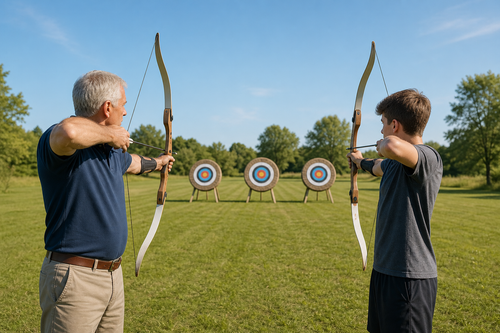
The right coach at beginner stage is not necessarily the right coach at national squad level. Early coaching should prioritise safe habits, an understanding of the shot cycle, and enjoyment of the sport. As you progress, you may seek a coach with more technical depth in your specific discipline, or one who has experience working with competitive athletes.
National archery federations in most countries run coach accreditation programmes. These are a useful baseline for finding qualified instructors, though experience coaching your particular style of shooting matters just as much as a formal qualification.
Clubs are often the best starting point. Coaches embedded in a club environment understand the practical conditions their archers will train and compete in, and sessions are usually more affordable than private instruction. For archers equipping themselves ahead of working with a coach, the archery shop at Legend Archery covers a wide range of equipment across disciplines and skill levels.
Frequently Asked Questions
How is archery coaching different from just practising on your own?
Solo practice reinforces whatever habits you already have — good or bad. A coach provides an external perspective that identifies issues you cannot feel or see yourself, then structures your practice so you are working on the right things in the right order. The difference in progress rate can be significant, especially in the early months of shooting.
How long does it usually take before coaching produces noticeable improvement?
It depends heavily on the archer's starting point and how consistently they train between sessions. Many archers notice meaningful changes in consistency within four to eight weeks of regular coaching, assuming they are drilling the coached elements in their own practice time. Technical changes that involve breaking old habits can take longer.
What are the biggest mistakes beginners make when they start working with a coach?
The most common issues are trying to implement multiple changes at once, continuing to take advice from multiple conflicting sources, and measuring progress by score alone rather than by consistency of technique. Rushing through foundational stages to shoot at longer distances before form is stable is also a frequent mistake.
Can you improve significantly just by watching coaching videos online?
Online resources are genuinely useful for understanding concepts, building archery knowledge, and learning what to look for in your own shooting. However, they cannot watch your specific technique and give you targeted feedback. They work best as a supplement to live coaching rather than a replacement for it.
Where to Go from Here
Coaching is not a one-time fix — it is an ongoing part of how serious archers develop. The most consistent performers in archery at every level have coaches they trust and a structured approach to their practice. Starting that relationship early, with realistic expectations about the learning curve, is one of the most effective investments you can make in your shooting. If you are looking to gear up properly before or during the coaching process, exploring new archery products at Legend Archery is a practical next step.