Skip to content
 cust@legendarchery.com
 302 503 5767
 Westfield IN 46074


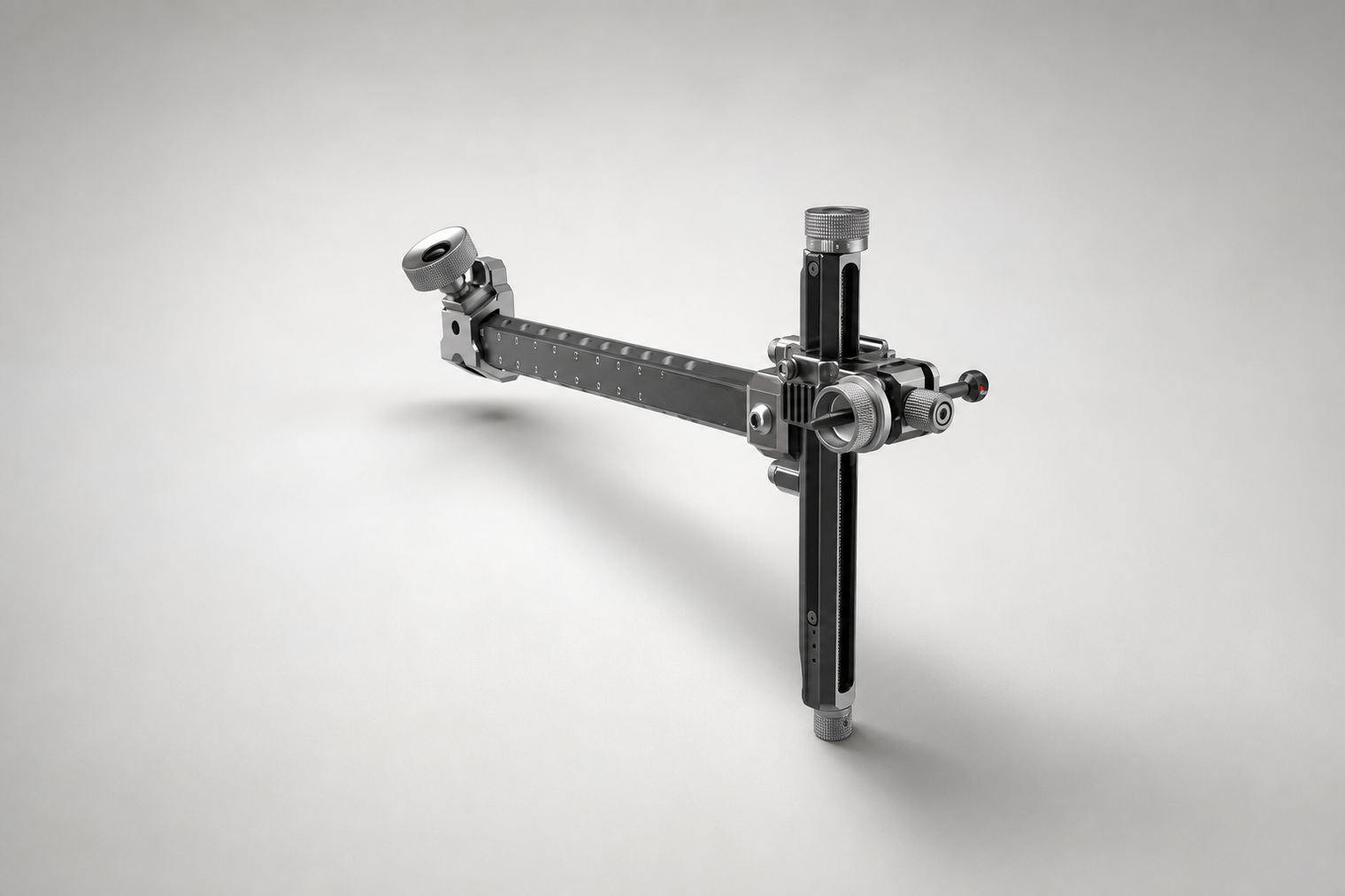
Picking the best recurve sight is less about brand loyalty and more about matching a sight to how and where you shoot. The wrong choice doesn't just cost money — it can actively slow down your development as an archer. This guide walks through what actually separates a good recurve sight from a frustrating one, so you can make a confident, informed decision.
What Matters Before You Buy
Before you compare specific sights, get clear on your context. A competitive target archer at 70 metres has completely different needs from someone shooting instinctive field archery or a club archer working on their form at 18 metres indoors. Ask yourself:
- Where do you shoot? Indoor ranges, outdoor target fields, and field courses each reward different sight designs.
- What is your current level? Beginners benefit from simplicity. Intermediate and advanced archers often need finer adjustability.
- What is your bow setup? A traditional recurve without a riser sight bar requires different mounting hardware than a modern Olympic-style riser. If you shoot a traditional recurve bow, verify compatibility before purchasing any sight.
- What is your realistic budget? Price brackets genuinely correspond to material quality, adjustment precision, and durability — not just brand names.
Answering these questions honestly will eliminate at least half the market immediately, which makes the comparison far easier.
How to Compare Your Options
Recurve sights broadly fall into a few categories. Understanding the difference helps you compare within the right group rather than across incompatible types.
Single-Pin Blade Sights
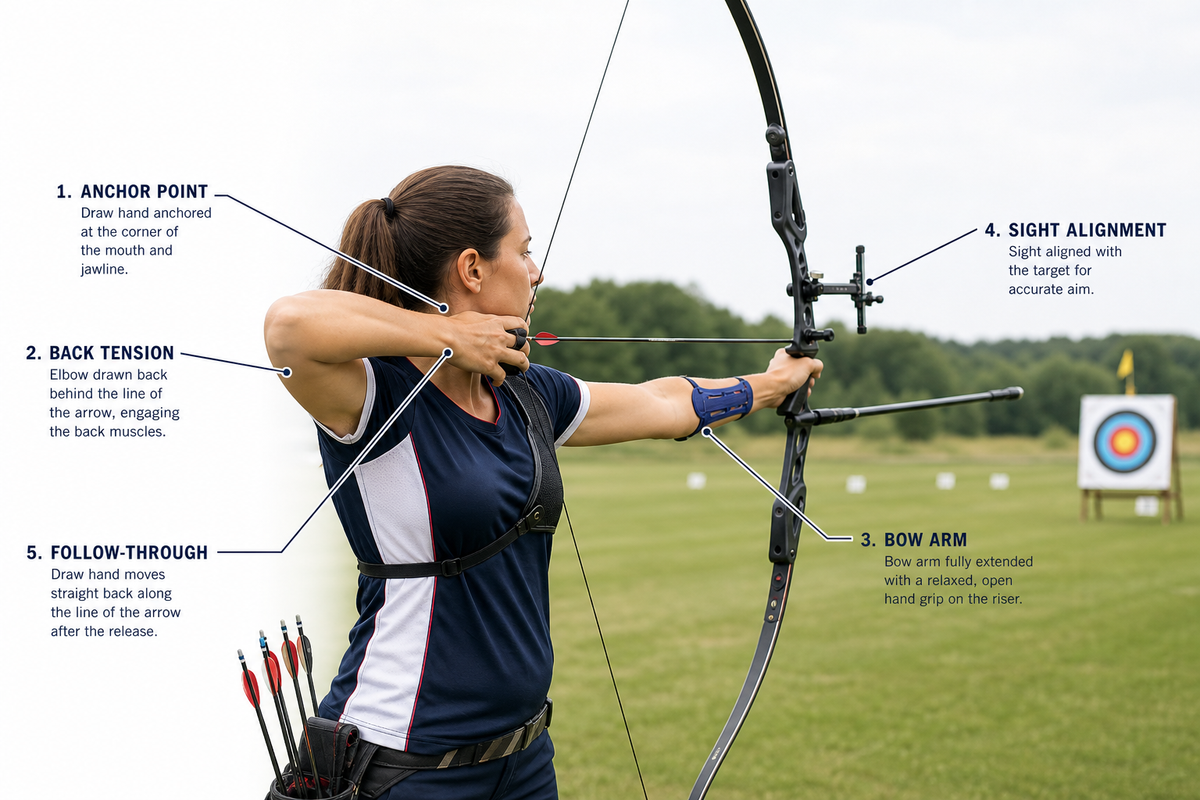
These are the standard for Olympic and target recurve shooting. A single vertical blade or pin sits in the aperture, giving you a clean reference point. Most club and competitive archers use this style. They are straightforward to set up and align well with formal coaching instruction.
Ring or Aperture Sights
A circular ring aperture is popular for target archery because it lets you frame the gold visually. Many sights allow you to swap aperture styles, so one sight body can serve multiple purposes. This is worth checking if you shoot both indoor and outdoor rounds.
Multi-Pin Sights
Common on compound bows but used by some recurve archers for field or 3D shooting where distances vary. Multi-pin setups are less common in traditional target recurve, but they exist. For most recurve archers, a single adjustable pin is more practical.
Sight Extensions (Long Rods)
For Olympic-style recurve shooting, a longer sight extension pushes the sight further from the eye, increasing the sight radius and improving accuracy at distance. This is a meaningful upgrade for archers shooting 50 metres or beyond.
Key Features That Matter
Once you know the category you need, compare individual sights on these specific points:
- Adjustment quality: Both windage (left/right) and elevation (up/down) adjustments should move in clean, defined increments without slipping. Micro-adjustable clicks are a sign of a quality sight. Loose or imprecise adjusters make zeroing in at distance very difficult.
- Material and weight: Aluminium bodies are standard at mid to upper price points. Plastic-bodied sights can work for casual use but flex under tension or in temperature changes. Weight matters for overall bow balance — heavier sights shift the point of balance forward.
- Mounting system: Check that the sight mounts securely to your riser's sight window. Most modern risers use a standard dovetail or screw-mount system, but budget risers and some traditional designs may differ.
- Aperture compatibility: Can you replace or upgrade the aperture independently? Having a sight body that accepts different apertures saves money long-term.
- Sight level: Some sights include a built-in bubble level. For beginners, this is genuinely useful for building consistent head and bow position. More advanced archers often remove them, but they are a helpful training aid early on.
- Extension length: If you shoot outdoors at longer distances, check whether the sight comes with or is compatible with a longer extension bar.
Mistakes Buyers Make
These are the most common errors that lead to archers replacing a sight far sooner than they should:
- Buying based on aesthetics alone. A sight that looks technical and expensive may have poor micro-adjustment quality. Always check adjustment feel before buying if possible, or look for verified user feedback on how the adjusters hold under repeated use.
- Ignoring mounting compatibility. Not every sight fits every riser. This is especially common with budget risers or older bow models. Confirm thread size and sight bar dimensions before ordering.
- Overspending too early. A beginner putting a high-end sight on a basic bow will not see the benefit. Sight quality matters far more once your form is consistent enough to expose fine equipment differences. For newer archers setting up their first recurve bow, a reliable mid-range sight is the smarter starting point.
- Choosing a multi-pin sight for target shooting. Multi-pin sights add unnecessary complexity for archers shooting at a known distance. A single-pin adjustable sight is simpler to use and align for most target archery disciplines.
- Forgetting about the aperture. The aperture — the small disc or pin at the end of the sight — has a significant effect on aim. Too large and you lose precision; too small and it becomes hard to align in low light. Many beginners accept the default aperture without experimenting.
- Not accounting for eye dominance. Left-handed and right-handed sights are generally mirrored in design. Some sights are handed; others are ambidextrous. Confirm before ordering.
Who Each Option Suits Best
Rather than naming specific products, here is a practical breakdown by archer profile:
New Archers at a Club
Start with a simple single-pin sight with clear, repeatable windage and elevation adjustment. A built-in bubble level is a bonus. Look for a metal body at a sensible price point — you do not need top-tier equipment, but you do need reliable adjusters that hold their setting after repeated shots. Browse the recurve archery equipment range to find options suited to this level.
Club Archers Shooting Indoor Target
An aperture-style sight with a ring aperture works well for 18-metre indoor rounds. At this distance, sight radius matters less, so a standard-length extension is fine. Focus on a clean aperture and reliable micro-adjusters.
Outdoor Target Archers (50m–70m)
Invest in a sight with a quality long extension and a fine micro-adjustment system. At these distances, even minor sight drift affects your grouping significantly. A precision click-adjustable sight with a replaceable aperture is the right tool here.
Field and 3D Archers
Field archery involves unknown or varied distances, so quick adjustability is more valuable than ultimate precision at one set distance. A compact, lightweight sight with easy elevation changes or a multi-pin setup may serve better here than a full target sight.
Traditional Recurve Archers
Many traditional recurve archers choose to shoot without a sight at all, relying on instinctive aiming or a gap-shooting method. If you do want a sight on a traditional setup, confirm riser compatibility carefully, as many traditional risers have no sight mounting provisions.
Frequently Asked Questions
What should you look for in the best recurve sight?
Focus on adjustment quality above all else. Clean, repeatable windage and elevation adjusters that hold their setting under repeated shooting are more important than brand name or appearance. Material quality, aperture compatibility, and mounting fit are the next priorities.
How much should you spend on a recurve sight?
For beginners, a reliable sight in the entry-to-mid price range is appropriate. You will not see performance gains from premium sight features until your form is consistent. As your shooting develops and you start competing or shooting outdoors at longer distances, stepping up to a precision micro-adjustable sight becomes worthwhile.
What mistakes do buyers make when choosing a recurve sight?
The most common are: ignoring mounting compatibility with their riser, overspending before form is consistent, and choosing a sight based on looks rather than adjustment quality. Forgetting to check for eye dominance compatibility is also a frequent oversight that causes returns.
Which recurve sight is best for beginners?
A single-pin sight with a metal body, easy windage and elevation adjustment, and an optional bubble level is the most practical starting point. Keep the setup simple — complexity does not help when you are still building consistent draw and anchor habits.
Conclusion
The best recurve sight is the one that matches your bow, your shooting discipline, and your current level — not the most expensive option on the shelf. Get the fundamentals right: reliable adjustment, correct mounting compatibility, and an appropriate aperture for your distance. Everything else is refinement that comes later as your shooting matures.