Skip to content
 cust@legendarchery.com
 302 503 5767
 Westfield IN 46074



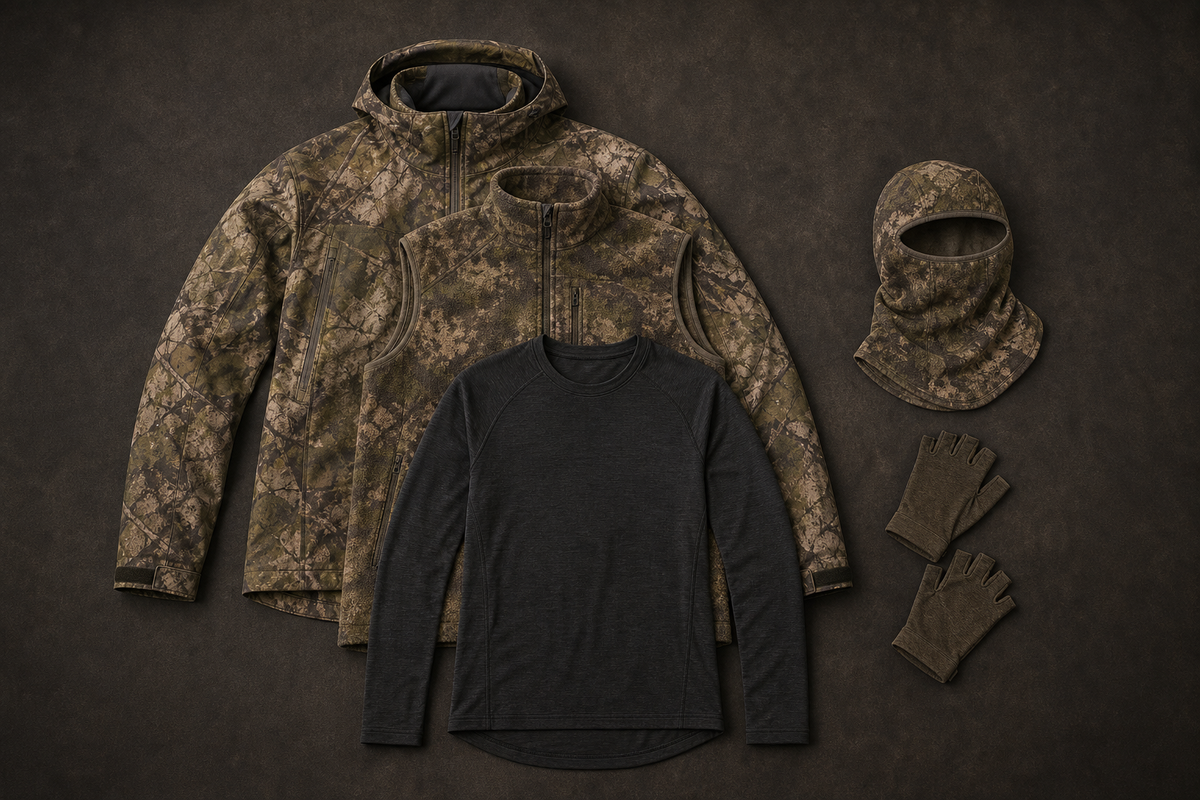
Archery hunting places demands on clothing that rifle hunting simply doesn't. You need full arm extension, a quiet draw, and hours of patience in varying temperatures — all without spooking game. Getting the clothing system wrong can cost you a shot opportunity before you even reach full draw. This guide breaks down what to prioritize, which types of garments matter most, and the trade-offs worth knowing before you spend.
What Matters Before You Buy
Most hunters shopping for bowhunting apparel focus first on camouflage pattern. Pattern matters, but it's rarely the most important variable. Before you look at color or print, consider these fundamentals:
- Noise: Any fabric that makes a swishing, rustling, or crackling sound when your arm sweeps forward can alert game. This is the single most important clothing criterion for bowhunters that rifle hunters rarely think about.
- Fit at full draw: Standard hunting jackets are cut for a shooting position that involves minimal upper-body movement. Bowhunting requires a garment that allows full shoulder rotation and arm extension without riding up, binding, or shifting your release anchor.
- Scent management: Close-range hunting means game is often within nose range before it's within bow range. Scent-control treatments, activated carbon lining, or simply choosing base fabrics that hold less odor all make a measurable difference.
- Layering compatibility: Temperature changes between pre-dawn stand time and mid-morning activity mean you'll be adding and removing layers. A system that works as a whole — base, mid, and outer — is more useful than one expensive jacket worn alone.
- Weight and packability: If you're hiking to a treestand or ground blind, bulky clothing is a real burden. Packable mid-layers and compressible outer shells reduce fatigue and allow you to regulate temperature on the move.
Main Types of Bowhunting Clothing and How They Differ
Bowhunting clothing can be grouped by function within a layering system. Understanding each layer's role helps you avoid mismatched combinations.
Base Layers
The base layer sits against your skin and handles moisture management. For bowhunting, a merino wool base layer is widely regarded as one of the better choices because wool naturally resists odor buildup and regulates temperature across a reasonable range. Synthetic base layers wick moisture faster but can retain odor more readily without treatment. For early-season warm weather, a lightweight synthetic with antimicrobial treatment is a practical option. For late-season cold, a heavier merino or wool-blend layer keeps you warmer during long static waits.
Mid-Layers
The mid-layer is your primary insulation. Fleece is the traditional choice for bowhunters because it's quiet, breathable, and reasonably warm. Heavyweight fleece works well in cold conditions but can be too warm for active mid-season hunts. Lightweight fleece or softshell mid-layers give more versatility. Down and synthetic insulated vests are useful for core warmth without restricting arm movement — a genuine advantage for draw cycles. Avoid puffy jackets with stiff outer shells for active bowhunting; they restrict movement and create noise.
Outer Shells
The outer shell handles weather protection. For bowhunting, a quiet, water-resistant softshell is often preferred over a waterproof hardshell. Hardshells with laminated membranes can be noisy in cold weather as the material stiffens. Purpose-built bowhunting outer layers are typically cut longer in the back and with articulated shoulders specifically to accommodate draw posture. Look for a sleeve design that doesn't constrict at the bicep when the arm is extended.
Headwear and Gloves
These are often overlooked but matter for scent and noise equally. A face mask or balaclava should be snug enough not to shift when you draw. Gloves need to be thin enough that you can feel your release or string clearly — many bowhunters use fingerless gloves or remove gloves entirely for the shot, keeping a full glove only for travel to the stand.
Buying Criteria and Trade-Offs
Every purchasing decision in bowhunting apparel involves trade-offs. Here's how to think through the most common ones:
- Silence vs. weather resistance: The quietest fabrics — brushed fleece, soft knits — offer limited water resistance. Waterproof membranes add noise in cold temperatures. The solution is usually a layered approach: a quiet mid-layer used in dry conditions, with a packable quiet shell added when rain arrives.
- Scent control technology vs. cost: Activated carbon suits and silver-ion treated fabrics add significant cost. For hunters on a tighter budget, paying attention to washing protocols (scent-free detergents, field storage away from household odors) can close much of the gap.
- Camo pattern vs. solid color: Pattern relevance is terrain-dependent. Leafy or open-canopy patterns suit dense woodland. Grassland or open country may call for a drier, more muted palette. Some experienced bowhunters hunt successfully in solid olive or brown — movement and scent control outweigh pattern in many scenarios.
- Weight vs. warmth: Ultralight insulation compresses for pack carry but may not keep a stationary hunter warm in a treestand at sub-zero temperatures. Heavier insulated layers are warm but awkward to carry in. Understand your specific hunting style before prioritizing one or the other.
- Budget systems vs. premium systems: A well-chosen mid-range system — quality base layer, a good fleece mid, and a quiet shell — often outperforms a single expensive multi-purpose jacket. Think in layers, not single purchases.
Which Type of Clothing Suits Which Archer
Different bowhunting situations and experience levels call for different priorities.
Early-Season and Warm-Weather Bowhunters
In September and early October, heat and insects are often bigger problems than cold. A lightweight merino or synthetic base layer as a standalone top, combined with lightweight pants in a quiet stretch fabric, is usually sufficient. Scent control becomes especially critical in warm conditions because human odor is stronger and more volatile in heat. Prioritize breathability and odor resistance over insulation.
Cold-Weather and Late-Season Bowhunters
Late-season treestand hunters need serious insulation for long static waits in sub-zero conditions. Insulated bibs are popular for this reason — they protect the core and lower body without adding bulk to the upper body, preserving draw movement. Heavy fleece or wool outer layers keep noise low even in very cold temperatures when synthetic membranes tend to stiffen and crackle.
Mobile and Still-Hunting Archers
Hunters who move frequently — spot-and-stalk or still-hunting through cover — need layering they can shed quickly and pack small. Packable mid-layers and vests that fit inside an archery backpack are genuinely useful here, allowing temperature regulation without leaving clothing behind on the ground.
Beginners and First-Time Bowhunters
Those new to bowhunting often spend too much on outer camo pattern and too little on a quiet, well-fitting base layer. A practical starting point: invest first in a quality silent mid-layer that fits your draw well, add an affordable scent-free base layer, and use a waterproof layer you already own. Upgrade from there once you understand your specific hunting conditions.
How to Layer and Wear Bowhunting Clothing Effectively
Even well-chosen clothing performs poorly if worn incorrectly in the field. A few practical habits make a real difference:
- Arrive at your stand in fewer layers than you'll eventually need, and add insulation once you stop moving. This reduces sweat buildup in your base layer, which accelerates scent production.
- Do a full draw test with every new outer layer before hunting in it. Extend your bow arm, rotate your shoulder back, and check that nothing binds, rides up, or shifts your anchor point.
- Store hunting clothing in sealed bags or totes away from household odors — cooking smells, detergents, and fuel can penetrate fabric quickly.
- If wearing a face mask or balaclava, practice drawing with it on. Some masks shift or constrict peripheral vision at full draw in ways you won't notice until you're in the field.
Mistakes Buyers Make When Choosing Bowhunting Apparel
- Buying for looks first: Aggressive camo patterns and heavy branding are high-margin marketing. Silent fabric, proper fit, and scent management are the functional priorities.
- Ignoring the draw cycle: Trying a jacket on standing still in a shop tells you very little. You need to simulate a draw to know whether the fit actually works.
- Over-layering in warm seasons: Heavy setups purchased for late-season hunts are often worn too early, leading to sweating, odor, and discomfort during the most active part of the hunting day.
- Underestimating sleeve noise: Even a slightly stiff or textured sleeve can produce audible friction when the bow arm sweeps forward during the draw. Test sleeve noise specifically.
- Buying a single multi-purpose jacket: No single garment works across a full hunting season. A layering mindset produces better results and is often more cost-effective over time.
- Neglecting the lower body: Hunters focus heavily on the upper body but cold legs — especially in a treestand — will end a hunt faster than almost anything else. Quiet, insulated bibs or pants deserve equal attention.
Frequently Asked Questions
What should you look for when buying hunting clothes for archery?
Prioritize silent fabric, a fit that doesn't restrict at full draw, and a layering system that covers the temperature range you'll actually hunt in. Scent management — whether through fabric choice or washing habits — matters more at typical bow range than it does for longer-range hunting disciplines.
Which features matter most in bowhunting clothing?
Fabric noise and fit at full draw are the two features that separate bowhunting-specific clothing from general hunting apparel. After those, scent control and layering flexibility are the next most meaningful features for most hunters.
What mistakes do buyers commonly make when choosing bowhunting clothing?
The most common mistakes are prioritizing camo pattern over fabric performance, not testing fit at full draw before buying, and treating clothing as individual purchases rather than a coordinated layering system. Ignoring lower-body insulation is also a frequent and costly oversight.
What's a good starting point for someone new to bowhunting who needs clothing on a budget?
Start with a quiet-fabric fleece or softshell mid-layer that fits your draw correctly. Add a basic scent-free base layer. Use weather protection you already own until you understand exactly which conditions you're hunting in. Building from a functional foundation is more effective than buying a full premium set before you know what you need.
Conclusion
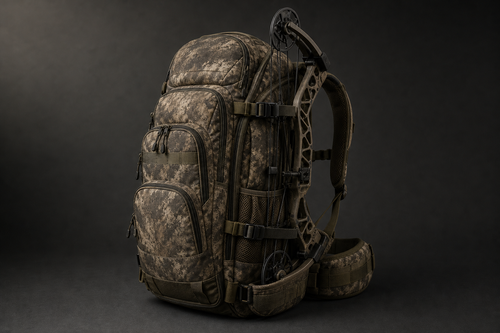
The best hunting clothes for archery are the ones that let you draw silently, stay comfortable across changing conditions, and manage your scent at close range. Build your system around those priorities — fabric noise, draw fit, and layering flexibility — and the rest follows. If you're also thinking about how you carry your gear to and from the field, exploring purpose-built archery backpacks and other archery accessories can round out a well-prepared hunting setup.