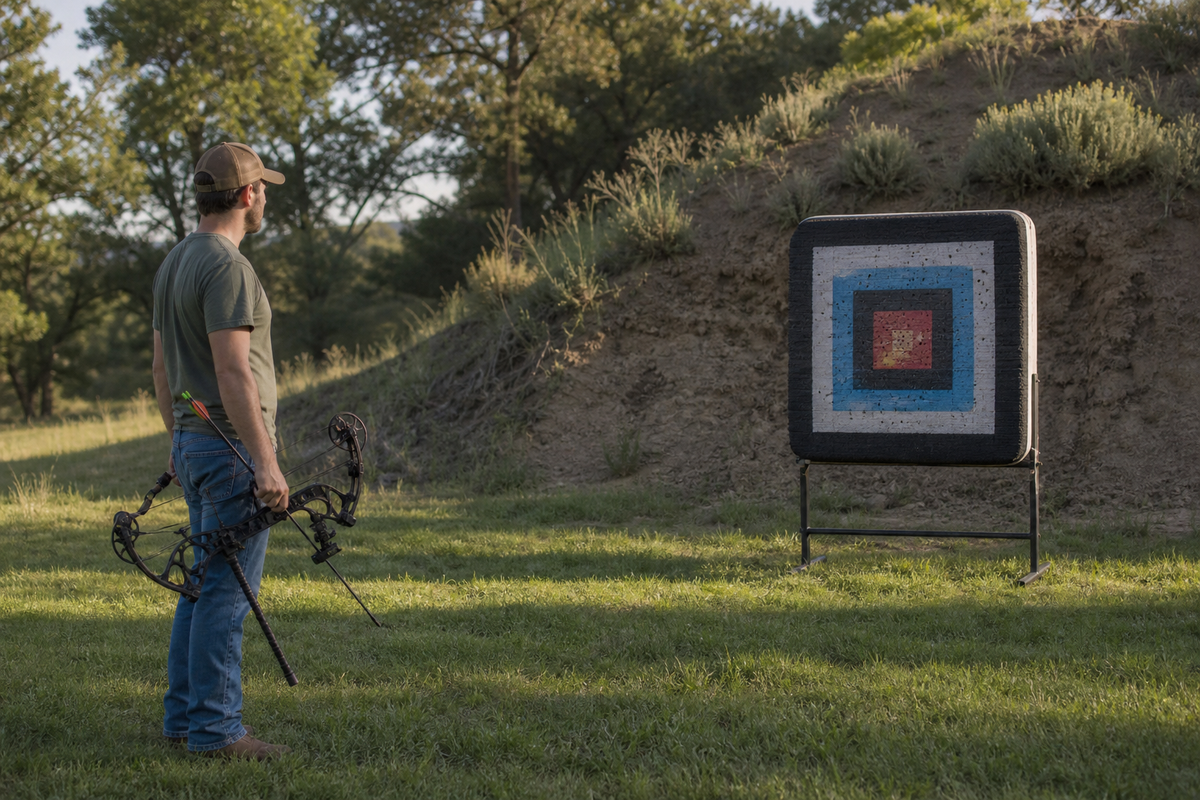
Switching from field points to broadheads changes everything about how your arrows fly, land, and sink into a target. Standard bag targets or foam blocks designed for field tips often fail fast under broadhead blades — shredding internals, locking arrows in place, or simply falling apart after a few sessions. Knowing how to practice safely and effectively with broadhead-rated targets will save you money, frustration, and wasted practice time.
Why Broadhead Targets Are Different From Standard Archery Targets
A field point enters a target cleanly and displaces foam or fill material in a predictable, narrow channel. A broadhead — whether fixed blade or mechanical — cuts on the way in. That cutting action widens the entry wound, tears internal layers, and creates significantly more damage per shot. A target that handles thousands of field-point shots can degrade rapidly after a few dozen broadhead hits in the same zone.
The two key performance demands for broadhead-rated targets are:
- Stopping power: The target must arrest an arrow shot from hunting-weight draw — typically between 50 and 70 pounds — without pass-throughs.
- Arrow removal: The material must release the arrow without pliers, excessive force, or causing broadhead blade damage during extraction.
Targets that fail on either point become a safety hazard or an expensive nuisance.
What Broadhead-Rated Targets Have in Common
Broadhead-rated targets come in a few common forms — layered foam blocks, self-healing foam, 3D animal targets, and heavy-duty bag targets — and the construction quality inside each type matters more than the category itself. Whatever type you already practice with, confirm the manufacturer specifically rates it for broadheads before shooting into it; a target built only for field points will shred, trap arrows, or fall apart quickly under cutting blades.
Fixed Blade vs. Mechanical Broadheads: What Changes When You Practice
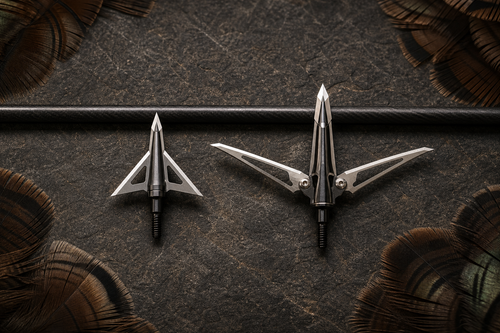
Fixed blade broadheads have fully exposed cutting edges from the moment they leave the bow. They create a clean, consistent cut channel and tend to be a little easier to extract because the blade profile stays constant throughout. Mechanical broadheads deploy on impact, which means more energy transfers in a sudden burst at entry. Some mechanical designs also open to larger diameters — up to two inches or more — which tears a noticeably wider hole in the target face.
Whichever type you practice with, expect mechanical broadheads to wear out a target faster and require more careful extraction. Rotate your aim points more often when practicing with mechanical heads, and inspect the target face for wear every few sessions so you catch a worn-out zone before it becomes a safety issue.
Practical Guidance for Getting the Most From Your Target
Even the right target degrades faster than it should if you use it carelessly. Apply these practices to extend its life:
- Rotate your aim points regularly. Shooting the same six-inch zone repeatedly concentrates damage. Move between multiple aiming spots across the face to distribute wear evenly.
- Keep your distance in proportion to your bow's draw weight. At close range, high-poundage bows drive broadheads deeper and make extraction harder. Practice from realistic field distances when possible.
- Store targets out of direct UV exposure. Sunlight degrades foam faster, reducing stopping power and accelerating surface cracking. A simple tarp or indoor storage extends target life significantly.
- Use a straight extraction technique. Twisting or levering an arrow out at an angle tears a larger hole than necessary. Pull in line with the arrow shaft, using an arrow puller tool if needed.
- Inspect broadhead blades after each session. Dull or bent blades from target impacts create unpredictable flight and unclean cuts. Replace blades as needed before the next practice session — see our mechanical broadhead safety and maintenance guide for the full inspection routine if you are shooting expandable heads.
Common Mistakes Archers Make With Broadhead Targets
These errors are common at every experience level and are worth knowing before they cost you a target or an arrow:
- Using a field-point-only target with broadheads. This is the most frequent and costly mistake. Always verify the target's rating before shooting broadheads into it.
- Continuing to shoot a worn-out zone. Once a section of a target has been shot through or becomes visibly collapsed, arrows may pass through or deflect unpredictably. Stop using that zone.
- Underestimating pass-through risk at high draw weights. Even targets rated for broadheads have limits. At draw weights above 65 pounds, check whether the target's rating covers your setup — and always have a safe backdrop behind the target.
- Skipping broadhead practice before a hunt. Field points and broadheads do not always fly identically, especially at longer distances. The difference in front-of-center weight and blade surface area affects trajectory. Practice specifically with the broadheads you intend to hunt with.
- Assuming all foam targets are equivalent. Foam density varies widely. A decorative foam target from a craft store is not the same as a purpose-built archery foam block. Density and construction are what matter.
Setting Up a Safe and Effective Broadhead Practice Range
A good practice setup pairs the right target with a safe environment. Place your target against a solid backdrop — a hillside berm, a dense hay bale wall, or a dedicated target stand that holds the target firmly. Unstable or tipping targets create inconsistent arrow angles on extraction and can be a safety issue if someone is nearby.
Distance markers help you practice at known yardages, which is especially important when tuning broadhead flight against your field-point groupings. Set up your range the same way each session so you can track how your groups change as you dial in your broadhead flight.
Frequently Asked Questions
Can I use a regular foam block target for broadhead practice?
Only if it is specifically rated for broadheads. Standard foam blocks vary widely in density and construction. A block that is not designed for cutting-tip broadheads can shred internally, fail to stop arrows at hunting draw weights, or trap arrows so tightly that extraction damages the blades. Always check the product label or manufacturer's specifications before shooting broadheads into any target.
How long does a broadhead target typically last?
Target lifespan depends on foam density, draw weight, broadhead type, and whether you rotate your aim points. A quality layered foam block used consistently with fixed blade broadheads and distributed shot placement can last one to several seasons. High-poundage mechanical broadheads concentrated in one spot will shorten that timeline dramatically. Targets with replaceable inserts or core sections offer the best long-term value.
Why do my broadheads fly differently than my field points?
Broadheads present more surface area to the wind and change the front-of-center balance of the arrow. This makes them more sensitive to arrow spine, rest clearance, and release consistency than field points. Small tuning issues that field points mask often become visible with broadheads. This is precisely why broadhead-specific practice — not just field-point practice — is essential before hunting season.
What's the safest backdrop to use behind a broadhead target?
A solid earthen berm is the gold standard for pass-through safety. If that is not available, stacked compressed hay bales positioned tightly behind the target provide reliable stopping power. Leave enough clearance around the sides of the target that a slight miss hits the backstop rather than open space. Never practice broadheads against a target with open ground beyond it.
Building a Safe, Effective Broadhead Practice Routine
Practicing with broadheads safely comes down to a short list of habits: confirm your target is broadhead-rated, rotate your aim points, keep a solid backdrop behind the target, and practice specifically with the broadheads you intend to hunt with. Do that consistently and your sessions will be safer, more productive, and easier on your gear heading into any hunting season.