Skip to content
 cust@legendarchery.com
 302 503 5767
 Westfield IN 46074


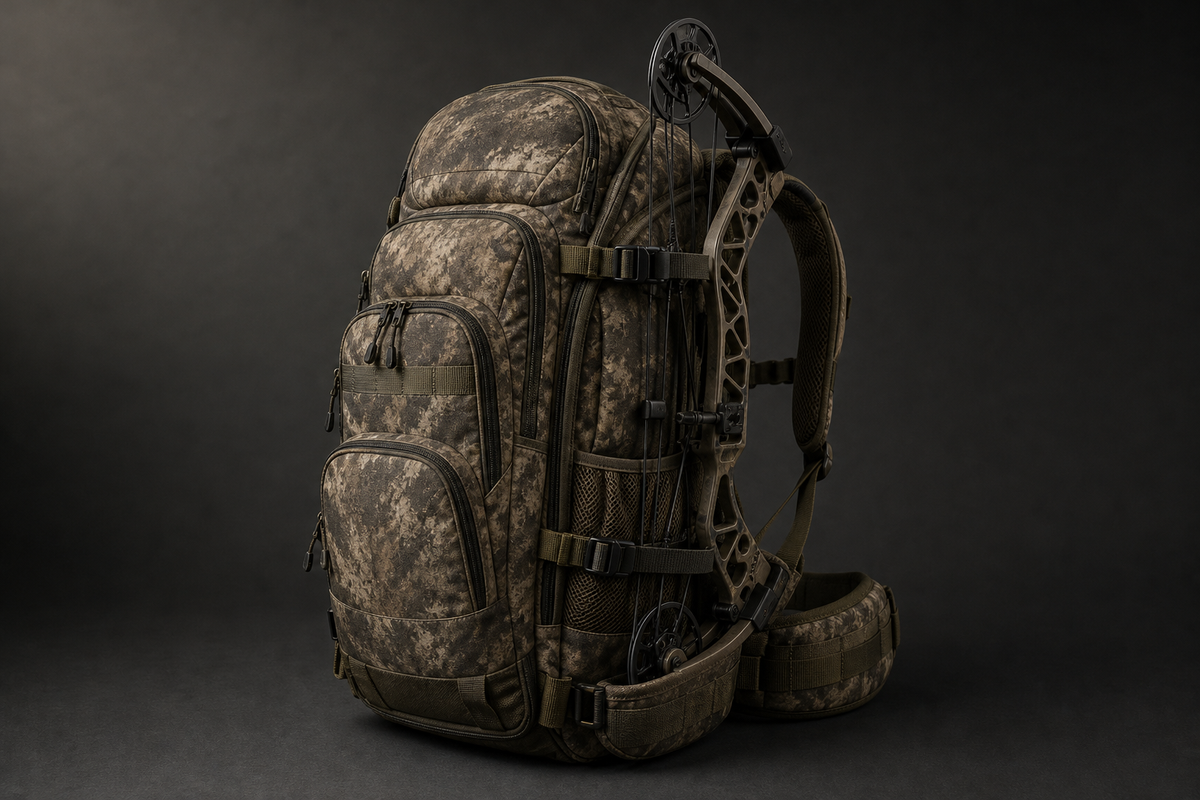
A general hiking pack and a purpose-built bow hunting pack are not the same thing. The difference shows up the moment you need to move quietly through timber, draw your bow without the pack shifting, or carry meat on the way out. Choosing the best backpack for archery hunting comes down to a handful of real criteria: bow carry method, capacity, noise, fit, and how the pack behaves when your hands need to be free. This guide walks through each one.
What Matters Before You Buy
Before comparing packs, get clear on three things that will filter out most of the wrong options immediately.
- Hunt type and duration. A half-day sit from a truck is very different from a five-day backcountry elk hunt. Capacity needs, weight targets, and pack-out requirements are completely different between the two.
- Terrain and access method. Packs that work well for walking flat agricultural fields are not ideal for steep mountain terrain. Frame type, hip belt design, and load transfer matter far more when the grade increases.
- Your bow setup. Compound bows and recurves have different lengths and profiles. Some carry systems suit one and not the other. Knowing your axle-to-axle length or limb width helps narrow the search quickly.
Main Types of Archery Hunting Packs and How They Differ
Hunting packs broadly fall into a few categories, and each involves real trade-offs rather than one being objectively better.
Day Packs (15–35 litres)
These are the most common choice for stand hunters, blind hunters, or anyone doing a morning and afternoon sit. They carry enough for water, calls, layers, snacks, and basic gear without being cumbersome. The trade-off is that they offer no realistic option for carrying meat on the way out and minimal space for extended cold-weather layering systems.
Mid-Size Packs (35–55 litres)
This range handles multi-day hunts and covers the gap between day pack convenience and backcountry capacity. Many bow-specific packs sit in this range because they can carry enough gear for a two- to three-day trip and still have a usable bow carry attachment without becoming unwieldy in heavy cover.
Frame Packs and Load Haulers (55+ litres)
Designed primarily for backcountry and pack-out situations. These are used when you need to carry a camp, then break it down and haul meat on the return. The bow carry attachment on these packs is often a secondary feature rather than the focus of the design. Weight and bulk increase significantly, and moving quietly through dense bush becomes harder.
Bow-Specific Archery Packs
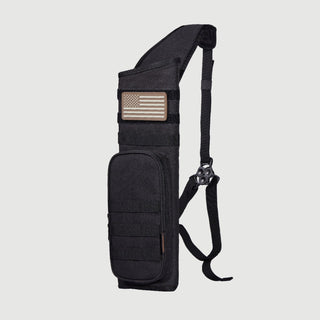
Some packs are designed from the ground up around archery use. They integrate bow holders, arrow tubes or quiver pockets, and often use panel or zipper placements that allow a full draw without the pack interfering with your release arm. If bow hunting is your primary use case rather than occasional, these purpose-built options are worth prioritising. Legend groups its carry gear for bowhunters in the hunting packs collection.
Buying Criteria and Trade-Offs
Once you know the type you need, these are the features that separate a frustrating purchase from a pack you'll use for years.
Bow Carry System
This is the feature most specific to archery hunting and the one that varies most between packs. The main options are side-mounted horizontal carry, vertical carry straps on the side panel, and integrated bow hooks or cradles on the front panel. Horizontal carry keeps the bow accessible and the centre of gravity low but can catch on branches. Vertical carry is cleaner in dense cover but can make accessing the bow slower under pressure. Neither is universally better — it depends on your terrain and how quickly you need to transition from carrying to shooting.
Noise and Fabric Choice
Standard cordura and nylon fabrics can be surprisingly loud against bark, branches, or even your jacket. Packs designed for hunting often use brushed or fleece-lined exterior fabrics, softened zippers, or rubberised zip pulls to reduce sound. This matters most during the approach and when repositioning in a stand or blind. If you're hunting open country, fabric noise is less critical than if you're pushing through dense timber.
Fit and Load Transfer
A poorly fitted pack shifts under movement, which affects your ability to draw cleanly and increases fatigue over long hikes. Look for adjustable torso length, a genuine hip belt that transfers load off the shoulders, and shoulder straps that sit close to the body without restricting arm swing. For archery hunting specifically, confirm that the shoulder strap placement doesn't interfere with your bow arm at full draw — some wider sternum straps or high shoulder harnesses can create contact issues depending on your draw length and anchor.
Compartment Layout and Accessibility
In hunting situations, organisation matters because you often need things quickly and quietly. Side pockets for water bottles or range finders, a separate top lid for items used most frequently, and internal organisation for calls, first aid, and small tools all contribute to a functional system. Avoid packs with a single main cavity and no external pockets if you're hunting for more than a half day.
Weight
Pack weight is a real consideration on long approaches, but ultra-light packs often sacrifice structure, noise control, and durability. A middle-ground approach — prioritising materials and features over absolute minimum weight — tends to serve most hunters better than chasing the lightest option at the cost of everything else.
Which Type Suits Which Archer
- Stand or blind hunter, short access: A 20–30 litre day pack with a clean bow carry system is the practical choice. Prioritise bow attachment quality and silent fabric over capacity.
- Walk-in hunter, full-day coverage: A 35–45 litre pack with a hip belt and comfortable harness. Look for a pack that handles a day's worth of gear and can accommodate a cape or boneless meat if you're hunting smaller game.
- Backcountry elk, deer, or boar hunter: A 55-litre-plus frame pack designed for load hauling, with a bow carry attachment that keeps the bow accessible but doesn't compromise load stability. Pack-out capacity matters as much as pack-in organisation.
- Beginners or those transitioning from target archery: Start with a mid-size pack (35–45 litres) with an integrated bow holder. It covers most hunting scenarios, teaches you what you actually need, and avoids the cost of over-specifying for a hunt type you haven't yet experienced. You can compare pack styles in the archery backpacks collection.
Wearing and Setting Up Your Pack for the Field
Even a well-chosen pack causes problems if it's set up incorrectly. A few practical points:
- Fit the hip belt first, sitting it on the iliac crest rather than the waist. The hip belt carries most of the load, not the shoulder straps.
- Tighten the shoulder straps after the hip belt is secure. The straps should make contact without pulling the pack away from your back at the base.
- Test a simulated draw at home before your hunt. With the pack loaded, go through your draw motion and check for shoulder strap contact with your bow arm, restriction in your release arm, and whether the pack rocks sideways during the draw cycle.
- Place heavier items close to your back and high in the pack to keep the load over your hips rather than pulling rearward.
- Secure the bow before walking. A loose bow bouncing against the side panel creates noise and can damage limbs or sights.
Mistakes Buyers Make When Choosing a Hunting Pack
- Buying on capacity alone. Bigger is not always better. An oversized pack encourages overpacking and adds unnecessary weight and bulk for day hunts.
- Ignoring torso length. A pack sized for a different torso length will never fit well regardless of how good the harness is. Most reputable hunting packs offer small, medium, and large torso options.
- Overlooking the draw clearance issue. Many hunters don't test the pack with a bow until they're in the field. The shoulder straps or frame on some packs sit in the path of the bow arm at full draw, which is a serious problem and not easily fixed after purchase.
- Prioritising camo pattern over function. The pattern on a pack has minimal impact on hunt success compared to how quietly it moves, how well it fits, and how accessible it keeps your gear.
- Choosing the cheapest option for the most demanding use case. A budget day pack on a five-day backcountry hunt is a liability. Match the pack quality to the actual demands of your hunting.
If you're building out your full hunting kit, a compound bow case for the drive to and from the hunt is the other piece of carry gear worth planning alongside the pack.
Frequently Asked Questions
What should I actually look for in a pack built for bow hunting?
Start with bow carry method, fit, and noise. After those three, evaluate capacity for your typical hunt length, compartment layout for your specific gear, and whether the shoulder harness clears your draw arm cleanly. Everything else is secondary.
Do the features really differ that much from a regular hiking pack?
Yes, in meaningful ways. A hiking pack is optimised for sustained movement on trail. A purpose-built archery hunting pack prioritises silent fabric, bow carry integration, and a harness that doesn't interfere with shooting. Using a hiking pack for hunting works but often creates noise, positioning, and accessibility problems that a hunting-specific design solves.
I keep reading about bow holders breaking — is that a real concern?
It can be. Integrated bow holders on budget packs are sometimes the weakest point in the design. Look for metal attachment points or reinforced strap anchors rather than purely plastic hardware, especially if your bow is on the heavier side. Reading user feedback on long-term durability of the bow holder specifically is worth the time before buying.
What's a sensible starting point for someone new to bow hunting?
A 35–45 litre purpose-built archery hunting pack with a reliable bow carry system, a genuine hip belt, and quiet exterior fabric. It covers most hunting scenarios, won't overwhelm a beginner with unnecessary features, and gives you a clear baseline for understanding what you want differently next time.
Conclusion
The best backpack for archery hunting is the one that fits your body, carries your bow without interfering with your shot, and suits the actual length and terrain of your hunts. Get those fundamentals right before worrying about brand names, litre ratings, or camo patterns. The pack that keeps you quiet, comfortable, and ready to shoot is the one doing its job.