Skip to content
 cust@legendarchery.com
 302 503 5767
 Westfield IN 46074


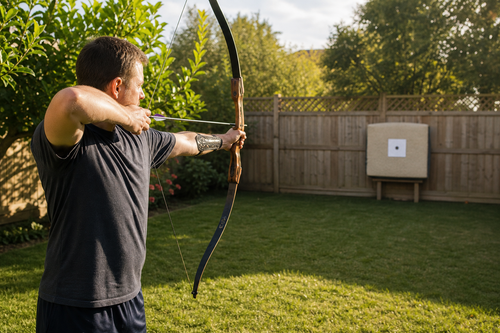
Every archer eventually faces the same split-second dilemma: your arrow keeps landing slightly off center, and you need to decide — do you move your aim left or right? It sounds simple, but the correct answer depends on understanding your equipment, your form, and the conditions around you. Getting this wrong consistently is one of the most common reasons archers plateau. Getting it right is what separates shooters who improve from those who guess.
Why the Left-or-Right Decision Actually Matters
Missing left or right might seem like a minor issue at short distances, but small horizontal errors compound at range. A single degree of misalignment that puts you two inches off at 20 yards will cost you six inches at 60 yards. In field archery, 3D shooting, and competition target rounds, that gap is the difference between scoring well and dropping points on every end.
More importantly, if you don't correctly diagnose why you're going left or right, you risk chasing a form problem with a sight adjustment — or vice versa. Both fixes exist, but applying the wrong one makes things worse. Understanding the cause is the only reliable path to the correction.
Core Principles for Reading Left and Right Arrow Impact
Before adjusting anything, you need to determine whether the issue is equipment-based, technique-based, or environmental. These three categories cover almost every horizontal deviation you'll encounter.
Equipment Factors
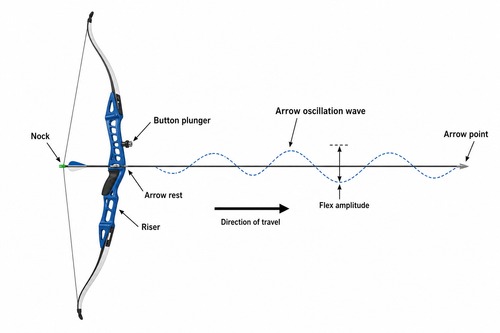
- Arrow spine: An arrow that is too weak (underspined) for your draw weight and length will typically kick right for a right-handed archer and left for a left-handed archer. An arrow that is too stiff (overspined) does the opposite. This happens because of the flex the arrow goes through during release — a phenomenon closely related to what's known as the archer's paradox.
- Rest alignment: A rest that isn't set to the correct centershot position will push arrows consistently in one direction regardless of your form.
- Bow timing and cam lean: On compound bows, cam lean or cables that are out of tune can introduce a consistent directional bias at the shot.
- Sight windage: Your sight's horizontal adjustment may simply need to be moved. The rule is universal: move your sight in the direction of your miss. If you're hitting left, move the sight left.
Technique Factors
- Grip pressure: Torquing the bow grip is one of the most common sources of horizontal inconsistency. If your knuckles are white or your palm is pressing the grip unevenly, the bow will twist at the shot.
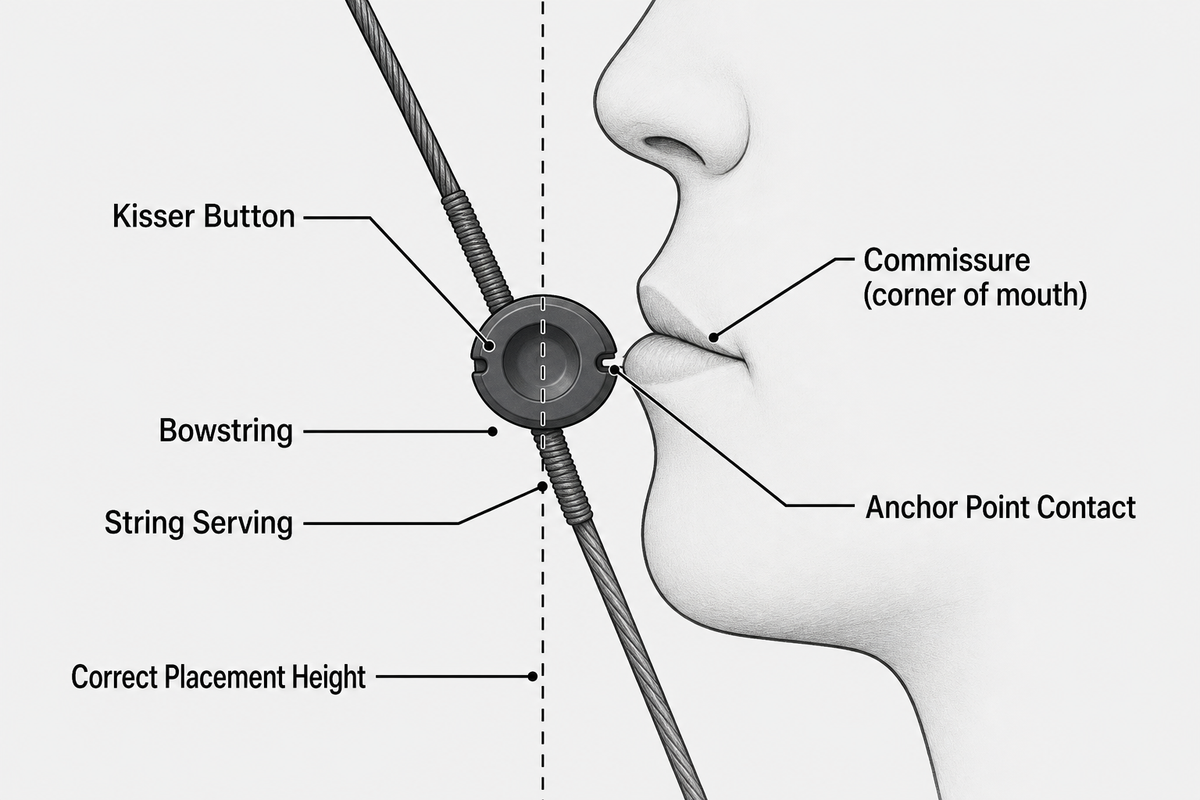
- Anchor point drift: A string anchor that moves left or right between shots changes the sight picture and produces scattered horizontal groups.
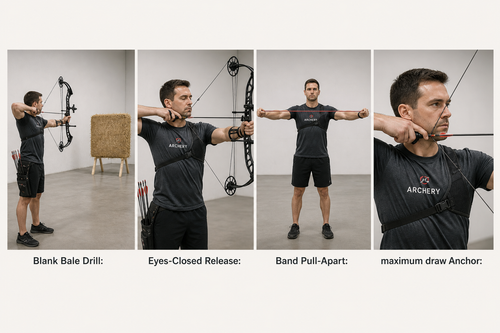
- Trigger or thumb release timing: Anticipating the shot or punching the trigger can cause the bow to move before the arrow clears the rest. This often produces a pattern that drifts in one direction under pressure.
- Follow-through: Dropping the bow arm or collapsing the draw elbow immediately at the shot can introduce horizontal deviation that appears random but is actually consistent under specific conditions.
Environmental Factors
- Wind: A crosswind will push a lighter or longer arrow more than a heavier, shorter one. Reading wind direction before the shot is a fundamental skill in outdoor archery.
- Shooting lane angles: In 3D or field archery, an uphill or downhill angle combined with a slight head or tail wind can push an arrow laterally in ways that aren't immediately obvious.
- Light and shadow: Uneven lighting can make a sight pin appear to sit in a different position relative to the target, especially at longer distances. This is more of an aiming error than a true left-right deviation, but it produces the same result.
Practical Guidance: How to Make the Right Call
When your arrows are grouping left or right, work through this process before making any adjustments:
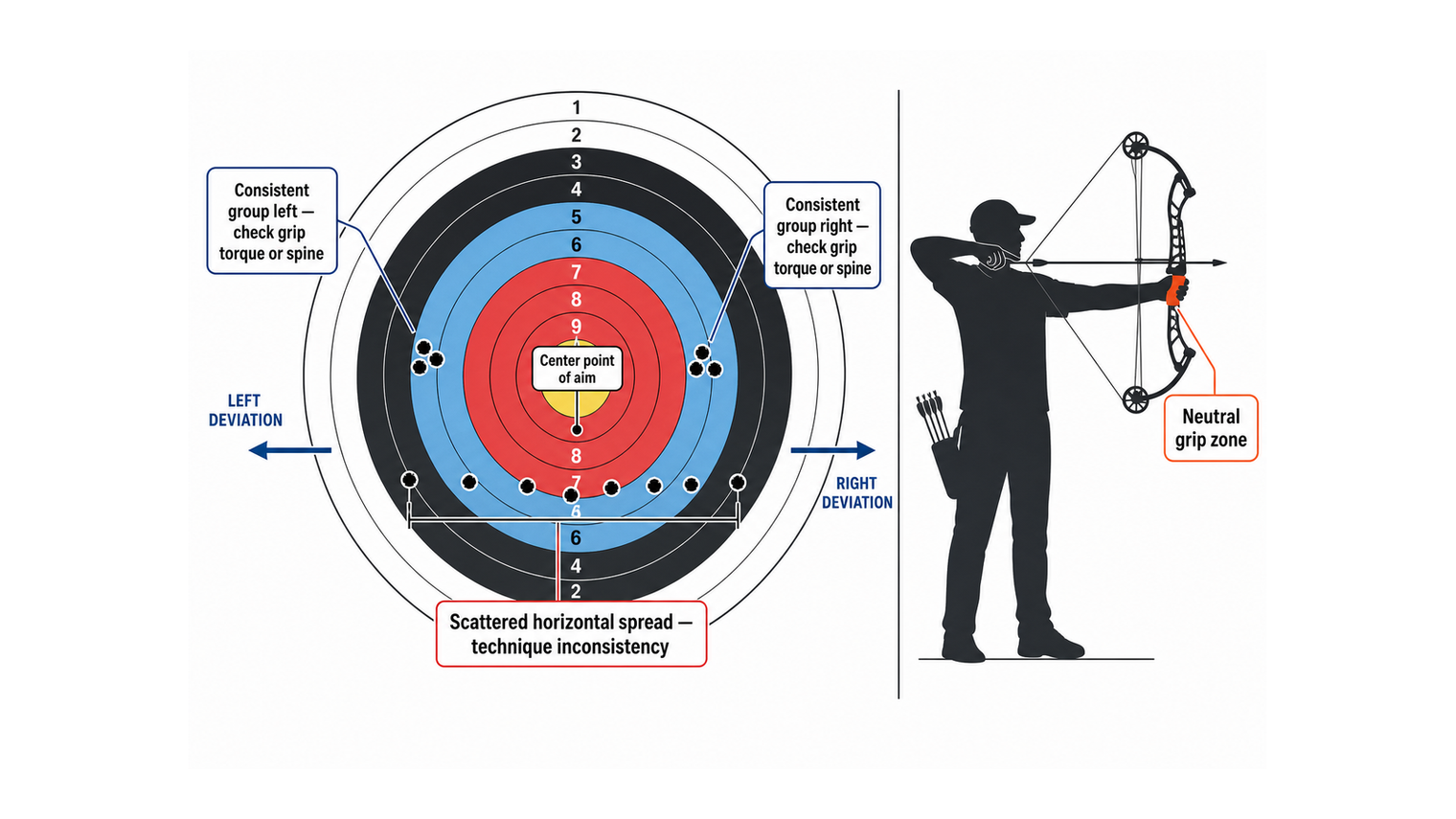
- Step 1 — Confirm the group is consistent: A tight group that's off-center points to a systematic error. A scattered group that spans left and right points to inconsistency in technique.
- Step 2 — Check your grip first: Before touching your sight, ensure your grip is neutral and relaxed. A high percentage of horizontal problems resolve when grip torque is eliminated.
- Step 3 — Verify arrow spine: If you've recently changed draw weight or arrow length, re-check that your arrows are matched to your setup. Spine charts from your arrow manufacturer are the reference point here.
- Step 4 — Assess wind and conditions: At outdoor ranges, shoot a few arrows and observe drift patterns relative to wind direction before making any windage adjustments on your sight.
- Step 5 — Adjust the sight last: Once you've ruled out technique and environmental causes, adjust your windage. Small increments are better than large moves — shoot a group, evaluate, and adjust again if needed.
One practical habit that experienced archers develop is keeping a simple shot journal. Noting conditions, arrow impact location, and any form cues on a given day helps identify patterns that aren't obvious in a single session. Over several weeks, you can see whether left or right misses correlate with wind, fatigue, or specific technique breakdowns.
Common Mistakes Archers Make When Choosing Left or Right Aim Corrections
Several predictable errors appear when archers try to fix horizontal problems without a clear diagnostic process:
- Adjusting the sight before fixing technique: Moving your sight to compensate for grip torque doesn't fix the torque — it just relocates where your torqued shots land. The problem becomes invisible until you shoot at a different distance or under pressure.
- Over-correcting in single sessions: Making large windage adjustments after only a few arrows leads to chasing the target back and forth. Patience and small, measured adjustments produce better results.
- Ignoring arrow spine entirely: Many beginners never consider spine as a factor in horizontal deviation. If every other adjustment has failed, spine is often the overlooked culprit.
- Blaming the wind for form issues: Wind is real, but it's also a convenient explanation. If your arrows go left in calm conditions and left in windy conditions, the wind isn't the cause.
- Not shooting enough arrows to identify a pattern: Judging horizontal drift from one or two arrows is unreliable. A minimum of five to six arrows in controlled conditions gives you a meaningful group to analyze.
If you've been dealing with an inconsistent aiming picture or struggling to commit to a shot, it may also be worth reading about archer freeze, which can cause unintentional aiming drift that looks like a left-right form problem but is actually a mental/motor issue.
Frequently Asked Questions
What does "left or right" actually mean in the context of archery aiming?
It refers to the horizontal plane of arrow impact relative to your intended point of aim. When archers talk about going left or right, they mean the arrow is landing to one side of center on the target face. The cause can be form, equipment, conditions, or some combination of all three.
Why does consistently hitting to one side matter if I can just aim over to compensate?
Compensating with your aim without fixing the root cause works at one distance but breaks down at others. It also masks problems that will reappear under pressure or in competition. Real accuracy comes from understanding why your arrows go where they go, not from training your eye to hold off-center.
I keep hitting left — what's the first thing I should check?
Start with your grip. Grip torque is the single most common cause of consistent horizontal miss patterns. Hold the bow with a relaxed, open hand and observe whether the group tightens. If it does, that's your answer. If the group stays left even with a neutral grip, check your arrow spine next, then your rest alignment.
How do I know when to adjust my sight versus fixing my form?
If your group is tight but in the wrong place, a sight adjustment is appropriate — your form is consistent, just pointed incorrectly. If your group is spread horizontally with no clear center, form is the issue, and moving the sight won't help. Tight groups tell you to adjust the equipment. Scattered groups tell you to adjust the technique.
Conclusion
Reading and correcting horizontal arrow impact is a diagnostic skill that every archer builds over time. The archer's choice to go left or right isn't really about guessing — it's about understanding what's driving the deviation and applying the right fix in the right order. Work through equipment, technique, and environment systematically, and your consistency will improve far faster than if you rely on instinct alone. If you're building your setup from the ground up and want to make sure your equipment isn't working against you, understanding what your role as an archer involves is a solid place to start.