Skip to content
 cust@legendarchery.com
 302 503 5767
 Westfield IN 46074


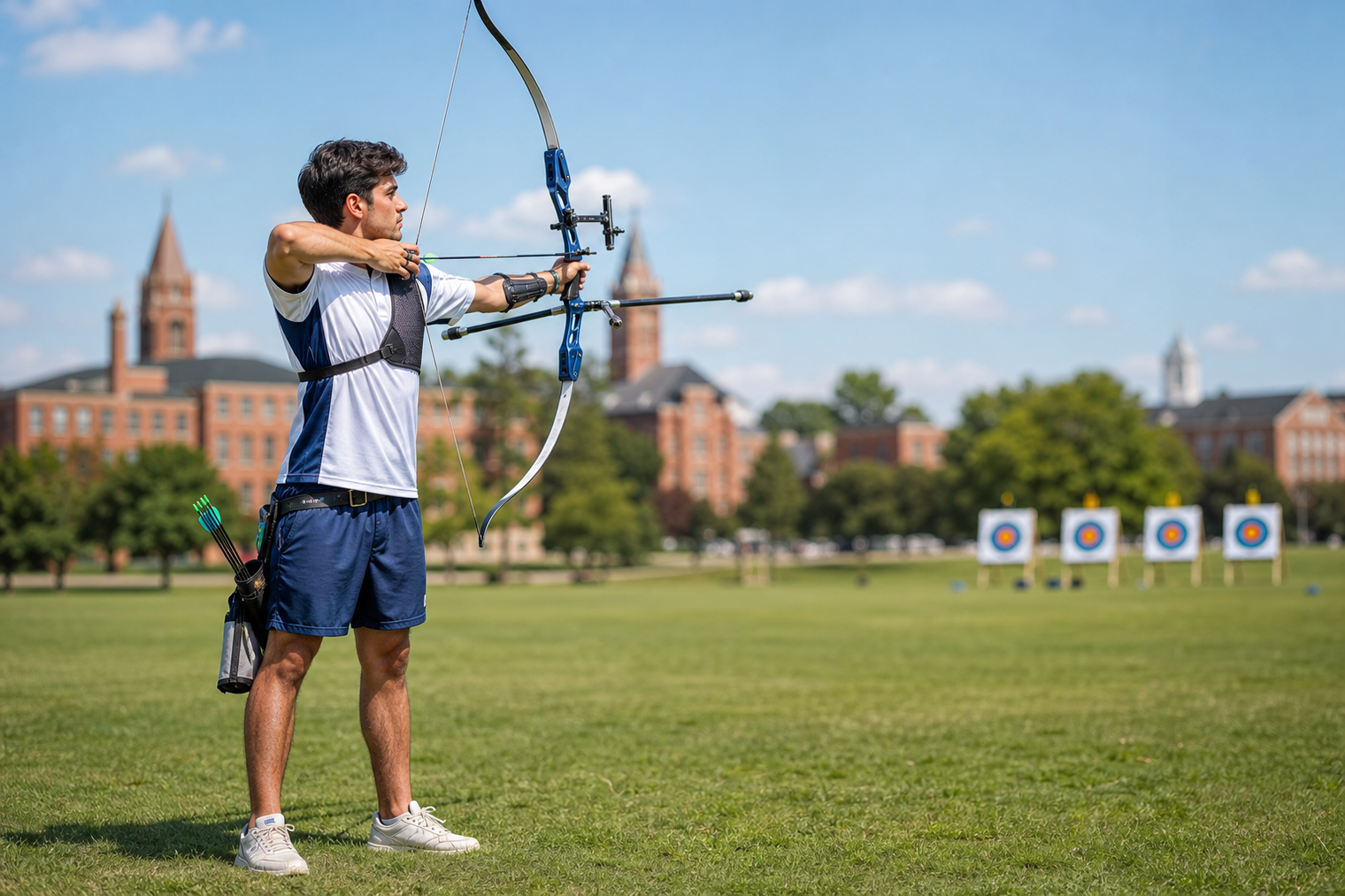
Yes, college scholarships for archery are genuinely available — and they go unclaimed every year because student-athletes simply do not know they exist. Unlike football or basketball, archery recruiting operates quietly, which actually works in a serious archer's favor. If you shoot competitively and plan to pursue higher education, this guide will help you understand the scholarship landscape, what programs look for, and how to put yourself in the best position to earn funding.
Why Archery Scholarships Are More Real Than You Think
Archery sits in an interesting position in college athletics. It is not an NCAA Division I mainstream sport in most schools, but it is actively funded at a significant number of institutions through the NAIA (National Association of Intercollegiate Athletics), NCAA Division I and II programs, and a growing number of club sport programs that offer partial aid through departmental budgets.
Several universities — particularly in the South and Midwest — have dedicated archery teams with coaching staffs and real scholarship money. Schools like McKendree University, Liberty University, and the University of the Cumberlands have built nationally competitive programs. These programs recruit, they offer financial packages, and they are hungry for talented archers who meet academic requirements.
Beyond institutional scholarships, national bodies like USA Archery and the National Field Archery Association (NFAA) offer their own scholarship programs tied to competition performance and community involvement. These are separate from athletic scholarships and are often merit-based, meaning even non-recruited archers can apply.
Types of Funding Available to Competitive Archers
Athletic Scholarships Through College Programs
These are awarded directly by universities to students who compete for the school's team. The amount varies widely — from a small stipend covering books to a full ride covering tuition, room, and board. NAIA schools in particular have a strong history of funding archery athletes. To be considered, you typically need to:
- Have documented competitive results at regional or national level tournaments
- Meet the school's academic eligibility standards
- Actively reach out to coaches — they rarely find you first
- Submit a recruiting video showing your form, consistency, and scoring
National and Organizational Scholarships
USA Archery and the NFAA both maintain scholarship funds that are awarded annually. These are application-based and typically consider a combination of competitive achievement, academic standing, and essays or letters of recommendation. Deadlines and eligibility criteria change yearly, so check directly with each organization's official website for current cycles.
Some state archery associations also offer smaller scholarships through fundraising and endowments. These are easy to overlook but worth researching if your state has an active association affiliated with USA Archery.
General Athletic and STEM Scholarships You Can Target
Archery requires focus, precision, and often an interest in physics and biomechanics. Many archers pursuing engineering, kinesiology, or sports science degrees qualify for department-level scholarships that are not sport-specific. Framing your archery experience around discipline, goal-setting, and data-driven improvement can strengthen applications for these broader awards.
How College Archery Recruiting Actually Works
Unlike high-profile sports, college archery coaches are not scouting tournaments in large numbers. The burden is largely on the athlete to initiate contact. Here is how the process typically unfolds:
- Research programs: Identify schools that have active archery teams and match your academic goals. Cross-reference NAIA and NCAA databases, and look at recent national championship competitors to find programs that actually invest in the sport.
- Build a results portfolio: Compile your scoring averages, tournament placements, and any records or titles. Coaches want numbers. Include both indoor and outdoor results if applicable, and specify your discipline — recurve, compound, or barebow.
- Film your shooting: A short video showing your stance, draw, release, and a scoring sequence tells a coach more than a list of placements. Keep it clean, well-lit, and focused on consistency rather than highlight shots.
- Email coaches directly: Keep your initial contact brief. Introduce yourself, state your graduation year, mention your scores and discipline, and express genuine interest in the program. Attach your results summary and link to your video.
- Follow up: Coaches receive many inquiries. A polite follow-up two to three weeks later is appropriate and expected.
If you are a younger archer still building your competitive record, investing in quality equipment and consistent training is the foundation everything else sits on. Exploring options through Legend Archery's online shop is a practical starting point for athletes who need reliable gear without overspending during development years.
Common Mistakes Archers Make When Pursuing Scholarships
Many talented archers miss funding opportunities because of avoidable errors. The most frequent ones include:
- Waiting to be discovered: College archery is not a visibility sport. No one is watching your local tournament and planning to call you. You must be proactive.
- Applying only to USA Archery or NFAA scholarships: These are competitive and limited. Casting a wider net — including institutional and departmental scholarships — dramatically increases your chances.
- Neglecting academic eligibility: A 1400 score on the range means nothing if your GPA disqualifies you. Most programs require a minimum academic standing, and NAIA eligibility rules are specific. Know them before you apply.
- Contacting coaches too late: Scholarship budgets are allocated early in the recruiting cycle. Junior archers should begin outreach in their sophomore or junior year of high school, not senior year.
- Underestimating club programs: Many universities do not have varsity archery but do have funded club teams. Club programs can still offer partial scholarships or cover equipment and travel costs, which adds up significantly over four years.
- Presenting scores without context: A raw score tells a coach little without knowing the format, distance, and competitive field. Provide context — indoor 18m, outdoor 70m, field archery — so they can assess your level accurately.
Discipline Matters: Recurve vs. Compound in College Programs
Most collegiate programs compete under USA Archery or NFAA formats, which means they field both recurve and compound archers. However, some programs prioritize one discipline over the other depending on their competitive focus and coaching expertise. Before applying, confirm which disciplines a program fields and whether your style fits their team needs.
Barebow archery is growing in visibility, but scholarship opportunities specifically for barebow athletes remain limited at the college level. That may change as the discipline gains traction internationally, but recurve and compound shooters currently have the most defined pathways.
Regardless of discipline, equipment consistency matters. Archers who demonstrate the ability to shoot the same scores across multiple tournaments — even more than those who post one exceptional result — are more attractive to coaches building a team scoring strategy. If you are refining your outdoor setup, reviewing outdoor archery supplies tailored to competitive practice can help you build that consistency.
Frequently Asked Questions
Do many colleges actually offer archery scholarships, or is it just a few schools?
More schools offer funding than most people expect. While varsity archery programs are concentrated in specific regions, NAIA schools across the country actively recruit archers. When you include club sport funding and national body scholarships, the total pool of available aid is meaningful. The key is doing the research rather than assuming the options do not exist.
Can I apply for archery scholarships even if I have not competed nationally?
Yes, depending on the scholarship type. Some institutional scholarships value consistent regional performance and academic achievement over national titles. Organizational scholarships like those from USA Archery and the NFAA also consider character, community involvement, and leadership alongside scores. Start applying regardless of your competition level — you may qualify for more than you think.
What is the biggest mistake student-athletes make when trying to get recruited?
Not reaching out to coaches early enough. Most archers assume that strong results will generate interest on their own. In a lower-visibility sport like archery, that rarely happens. The athletes who secure scholarships are almost always the ones who initiated contact, followed up, and made it easy for coaches to evaluate them.
How do I know if my scores are competitive enough for a college program?
Look at the published results from collegiate archery championships — USA Archery Collegiate Nationals and NFAA collegiate events post full score sheets. Compare your current averages to the mid-range performers on those sheets, not just the top finishers. If you are within range of the median, you are competitive. If you are not yet, you have a clear benchmark to train toward.
Building Toward a Scholarship Starts Now
College scholarships for archery reward archers who are consistent, proactive, and well-prepared — not just those who shoot the highest scores at one tournament. Start documenting your results, invest in your development, and contact programs earlier than feels necessary. The opportunity is real; most archers just never take the first step to pursue it.