Skip to content
 cust@legendarchery.com
 302 503 5767
 Westfield IN 46074


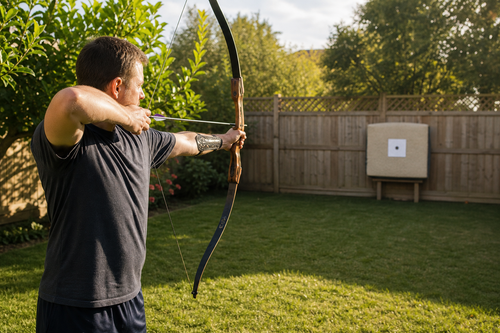
Every missed shot, every flier, every inconsistent group on the target has a root cause. Most of the time, that cause starts before the arrow is even nocked. Archery stance and posture form the physical platform everything else is built on. Get them right and your draw, anchor, and release have a fighting chance. Get them wrong and you are compensating for a shaky foundation on every single shot.
Why Stance and Posture Matter More Than Most Archers Realize
Many beginners focus almost entirely on the target or on equipment. They obsess over arrow selection and bow tuning while ignoring the fact that their feet are turned awkwardly, their shoulders are creeping up toward their ears, and their torso is leaning back like they are bracing for impact. This is backwards.
Your body is the bow's platform. If the platform shifts, tilts, or twists differently on each shot, your point of aim changes even if you feel like you are doing the same thing every time. Consistent shooting groups are impossible without a repeatable physical foundation. Beyond accuracy, poor alignment also puts unnecessary strain on your joints, tendons, and muscles, which becomes a real injury risk over time, especially with repetitive practice sessions.
The Core Principles of a Solid Archery Stance
Foot Placement
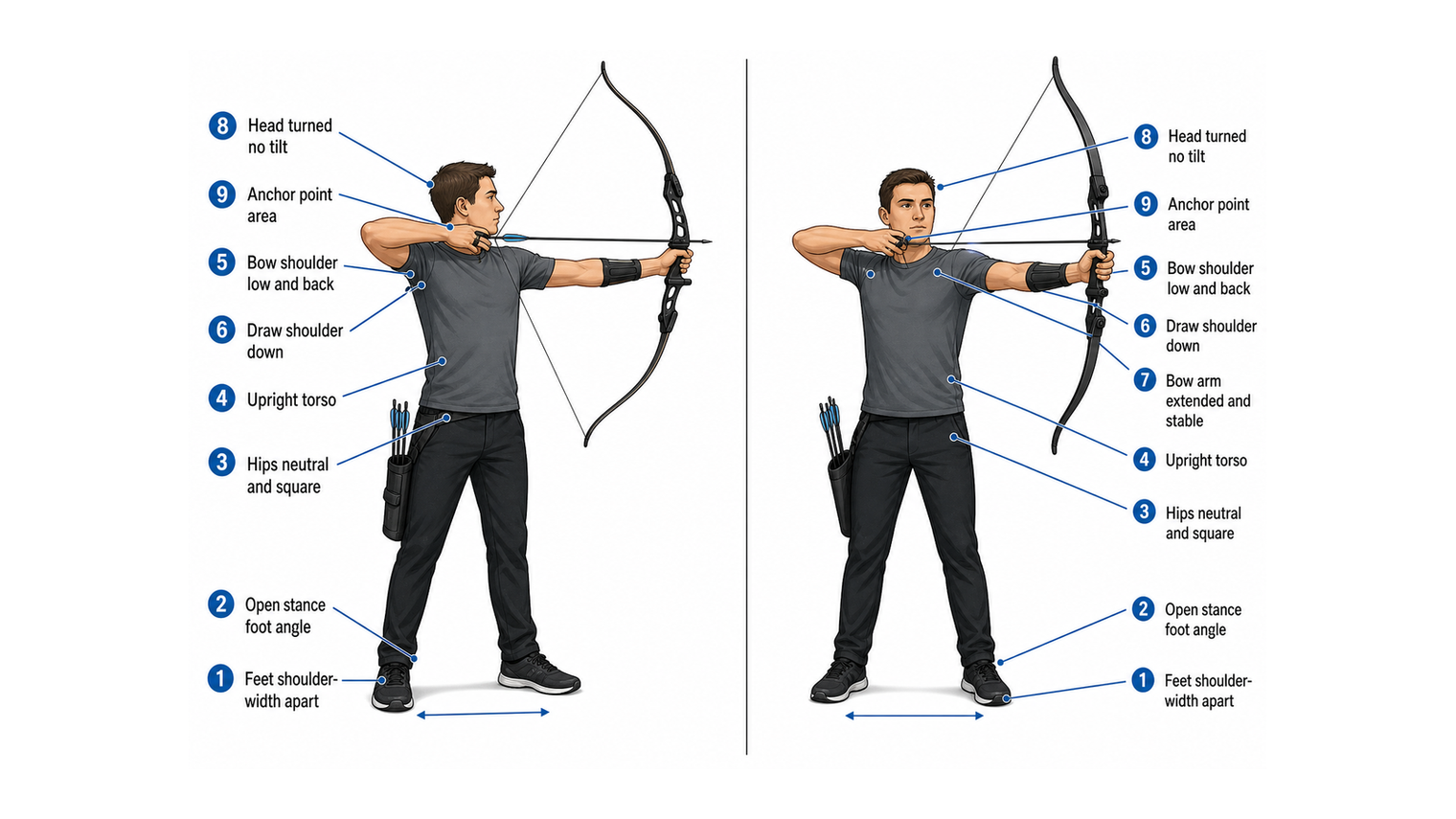
Your feet set the angle of your entire body relative to the target. There are three common foot positions used in archery:
- Square stance: Both feet are parallel to the shooting line, roughly shoulder-width apart. This is often the starting point for beginners because it is easy to understand and replicable.
- Open stance: The front foot is rotated toward the target while the rear foot stays roughly on the shooting line. Many recurve archers prefer this because it naturally rotates the bow arm away from the string's path and opens the hips slightly.
- Closed stance: The front foot steps slightly across the shooting line. Less commonly used today but still seen in some compound shooting styles.
Regardless of which stance you use, your weight should be balanced evenly across both feet. Avoid rocking onto your heels or the balls of your feet. A grounded, stable base is the goal.
Hip and Torso Alignment
Once your feet are set, your hips should be square to your stance rather than twisted. A common problem is archers rotating their hips toward the target to gain extra reach on the draw, which creates rotational tension in the lower back that is released unpredictably at the shot. Keep your hips neutral and let your upper body do the work.
Your torso should be upright and tall. Think of gently lengthening your spine rather than standing rigidly. A slight natural forward lean of the upper body is acceptable when shooting at steep downward angles, such as from a treestand or elevated platform, but on a flat range, vertical is the baseline.
Shoulder Position
Shoulders are one of the most commonly mismanaged parts of archery posture, and they have an outsized effect on the shot. Both shoulders should sit low and relaxed before and during the draw. The draw shoulder, in particular, tends to rise as archers pull into full draw, which shortens the draw length and changes the angle of the back muscles doing the work.
The bow shoulder should not collapse forward or punch toward the target. It should stay back and down, keeping the bow arm long and stable. This shoulder position also protects the bow arm from string contact, which is a painful and fast way to reinforce bad habits.
Head and Neck
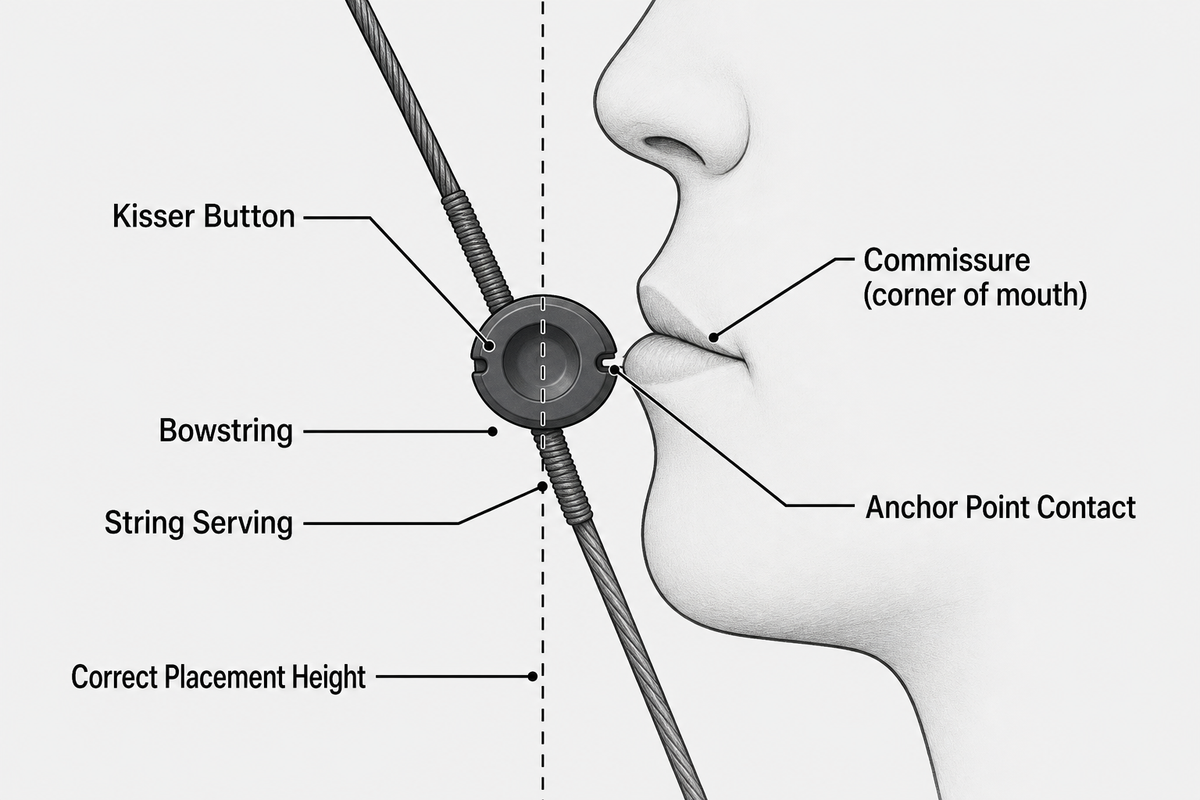
Turn your head toward the target smoothly, without tilting it. Your cheek and jaw should meet the string or your thumb at the same spot on every shot — this is your anchor point, and your head position directly determines where it lands. Tilting or craning the neck to look down the arrow is a very common beginner habit that makes consistent anchoring nearly impossible.
Practical Steps for Building Better Form
Understanding the principles is one thing. Ingraining them through deliberate practice is another. Here is a repeatable process for developing better physical alignment at the range:
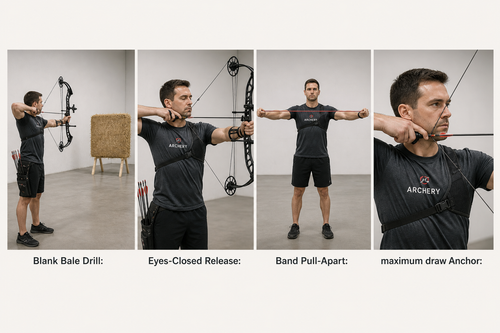
- Start with blank bale work: Shoot at a target face from very close range with no pressure on accuracy. This lets you focus entirely on how your body feels during the shot cycle without the distraction of where arrows land.
- Use a mirror or phone camera: Recording yourself from the front and side reveals alignment issues that are invisible from your own perspective, especially shoulder rise and torso lean.
- Build a pre-shot routine: Set your feet, check your hips, drop your shoulders, then raise the bow. Doing this in the same order every time builds muscle memory that eventually becomes automatic.
- Draw-and-hold drills without releasing: Holding at full draw for a few seconds while checking your position helps identify where tension builds up unnecessarily, particularly in the neck, jaw, and bow shoulder.
- Work with a coach periodically: Even experienced archers benefit from outside eyes. A qualified instructor can catch compensations that have become invisible to you through habit.
Common Posture Mistakes Archers Make
These are the errors that appear most frequently, especially in archers who are self-taught or who have been shooting for a while without structured feedback:
- Leaning back from the waist: Often caused by overdrawing or using a bow with too much draw weight. The body instinctively leans away from the load, which throws off aim and puts pressure on the lower back.
- Death grip on the bow handle: Gripping the bow tightly is a posture issue as much as a grip issue. It tenses the entire bow arm, rolls the shoulder forward, and torques the shot left or right depending on hand dominance.
- Collapsing the draw at release: When archers anticipate the shot and let the draw elbow drop or the shoulder collapse before the arrow leaves the string, it is usually a sign that stance and body tension are not stable enough to hold the position through the shot.
- Inconsistent foot placement between ends: Walking up to the line and dropping your feet wherever they land means your body angle to the target changes slightly every time. Small changes in foot position cause larger changes in where the bow is pointing.
- Shooting with too much draw weight too soon: This is the most common cause of almost every posture breakdown. When the bow is too heavy to draw smoothly, form falls apart entirely. Use appropriate draw weight for your current strength level and build up gradually.
If you are evaluating your current setup or looking to upgrade your equipment as your form develops, browsing a well-stocked archery shop can help you find gear that actually matches your current stage of development rather than what looks impressive on the shelf.
Frequently Asked Questions
Does my stance need to change depending on whether I shoot recurve or compound?
The fundamentals remain the same, but there are meaningful differences in practice. Compound archers often use a more square or slightly open stance due to the let-off at full draw, which reduces the tension needed to hold position. Recurve archers commonly favour a more open stance to help keep the bow arm clear of the string and manage the higher sustained draw force. If you shoot both styles, treat them as separate form disciplines rather than trying to use a single stance for everything.
Why does my form fall apart when I shoot more than a few arrows?
Fatigue is almost always the answer, and it usually comes from one of two places: draw weight that exceeds your current muscle endurance, or postural tension that burns out stabilising muscles faster than it should. When your core, back, and shoulder muscles are working inefficiently because your alignment is off, they tire quickly. Reducing draw weight temporarily and focusing on relaxed, aligned shooting teaches your body to use the right muscles more efficiently.
How long does it take to build solid archery posture from scratch?
There is no fixed timeline, but most archers working with consistent feedback see noticeable improvement within a few weeks of deliberate practice. The challenge is that bad habits formed early tend to feel correct because they are familiar. Breaking them takes more focused effort than building from scratch. Shorter, more focused practice sessions tend to be more productive for form work than long sessions where fatigue degrades your movement quality.
Can poor posture actually cause injury in archery?
Yes, and it is more common than many archers expect. Repetitive strain injuries in the bow shoulder, elbow tendinopathy on the draw side, and lower back pain from torso lean are all linked to sustained poor alignment. Archery is a low-impact sport but it is highly repetitive, so small biomechanical inefficiencies compound over many shots and training sessions. Addressing posture early is genuinely a form of injury prevention, not just accuracy improvement.
Building the Habit
Solid archery stance and posture is not something you think about on every shot forever. The goal is to build alignment and body position into your pre-shot routine until it becomes second nature. That frees your attention for what matters in the moment: your sight picture, your breathing, and your release. Start with the foundations, get feedback early, and resist the temptation to add draw weight or shoot at long distances before your form is stable at shorter range. If you are equipping yourself for that process, outdoor archery supplies ranging from training aids to targets and stabilisers can support your practice at every stage.