Skip to content
 cust@legendarchery.com
 302 503 5767
 Westfield IN 46074


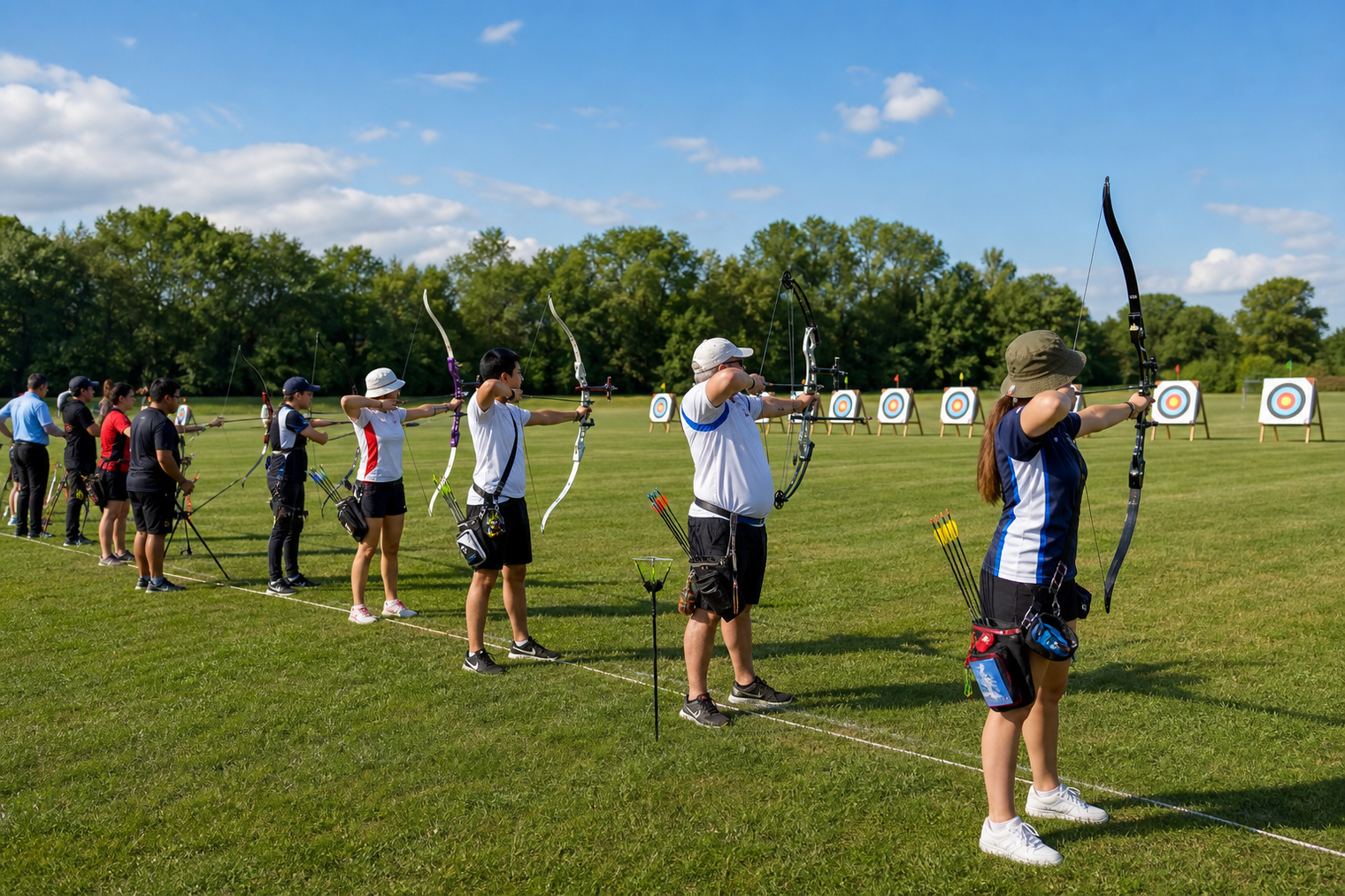
Stepping into competitive archery is one of the best ways to accelerate your progress. The pressure of a tournament sharpens focus, reveals weaknesses, and connects you with a community that takes the sport seriously. But for many archers — beginners and intermediate shooters alike — the first hurdle is simply knowing where to look. This guide breaks down the most reliable ways to locate competitions, what to expect from different formats, and how to avoid common missteps before your first event.
Why Competing Matters Beyond Practice
Shooting in your backyard or at a range is valuable, but it trains you in a low-pressure environment. Competitions introduce time constraints, equipment inspections, scoring systems, and the mental game of shooting in front of others. Archers who compete regularly tend to develop consistent form faster than those who only practice casually. Even local club shoots can expose habits — a death grip, poor anchor point, or rushed release — that solo practice lets you ignore.
Beyond personal improvement, tournaments are social events. You'll meet coaches, equipment dealers, and experienced archers who freely share knowledge. Many archers say their first club shoot was more educational than months of solo training.
Where to Find Archery Tournaments
There are several dependable channels to track down competitions at every level, from fun club shoots to national qualifiers.
National and Regional Governing Bodies
The most authoritative source for sanctioned events is your national archery federation. In the United States, USA Archery maintains a public tournament calendar covering indoor, outdoor, field, and 3D formats. UK archers can check Archery GB, and European shooters often reference World Archery for continental events. These sites list official dates, venues, registration links, and sometimes entry requirements like membership status or ranking scores.
Regional bodies underneath these national organisations also run their own schedules. Many states, provinces, or counties have archery associations that host monthly or quarterly shoots. A quick search for your country's governing body plus your region will usually surface a local calendar.
Local Archery Clubs
Club affiliation is arguably the most practical entry point for new competitors. Most clubs run regular internal competitions — often called club shoots or league nights — that don't require formal registration or experience. These are low-stakes events designed to get members used to competitive scoring.
To find a club near you, check your national federation's club finder tool, search community notice boards, or ask at any archery retailer. Once you're a member, competition invitations and event calendars usually come through club newsletters or social media groups.
3D Archery Associations
If you shoot in the field or prefer 3D targets over paper rounds, organisations like the Archery Shooters Association (ASA) and the International Bowhunting Organization (IBO) run dedicated 3D tournament circuits. These events are set in natural terrain and require different preparation than indoor target rounds. Most have open divisions for beginners, so experience level isn't a barrier to entry.
Online Platforms and Social Media
Several platforms aggregate archery competition listings independently of governing bodies. Sites like TournamentSR and Ianseo publish event listings and results across multiple disciplines. Facebook groups tied to local archery communities are surprisingly active for sharing upcoming shoots, particularly at the club and regional level. Instagram hashtags and dedicated archery forums also surface events that don't always make it onto official calendars.
Archery Ranges and Pro Shops
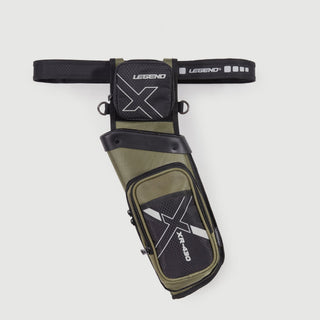
Physical ranges and archery shops often host or sponsor their own events. These are typically informal but well-organised, and the staff can point you toward anything coming up locally. If you're gearing up for competition, having the right outdoor archery supplies dialled in before the event makes a significant difference — range staff can advise on what's appropriate for different formats.
Understanding Tournament Formats Before You Register
Not all archery competitions are the same, and signing up for the wrong format can lead to a frustrating first experience. Here's a brief breakdown:
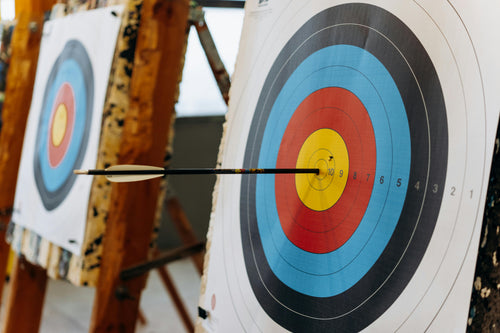
- Indoor target archery: Shot at close range (typically 18m or 25m) on paper targets. Controlled lighting and no wind variables. Good starting point for beginners.
- Outdoor target archery: Longer distances (up to 90m for recurve) on outdoor ranges. Wind and sun become factors. Requires more equipment preparation.
- Field archery: Unmarked or marked distances through natural terrain. Tests judgement as much as form.
- 3D archery: Life-size foam animal targets at varied distances. Popular with bowhunters and instinctive shooters.
- Clout archery: Shooting at a flag target at extreme distances (usually 165m for men). Less common but well-established in the UK.
Most governing body websites specify which format each event uses, and many competitions offer multiple divisions (recurve, compound, barebow, longbow) so you can compete with your actual setup.
What to Do Before Your First Tournament
Once you've found an event, a little preparation goes a long way.
- Confirm equipment rules for your chosen division — arrow diameter, bow type, sight allowances, and stabiliser restrictions vary by format and governing body.
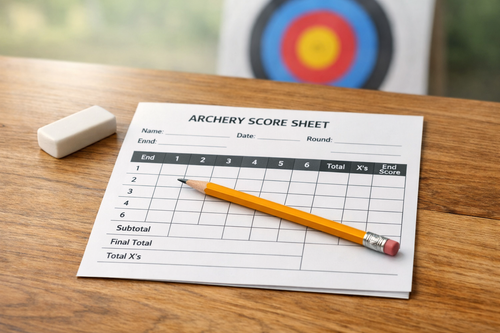
- Practice the specific round format. If the event uses a WA 18 indoor round, train on that distance and scoring system beforehand.
- Check whether a governing body membership or insurance is required to enter. Many sanctioned events require this.
- Arrive early. Most tournaments have a practice period before scoring begins. Use it.
- Bring spares — extra nocks, a spare tab or release, fletching glue, and a bow square. Small equipment failures are common and easily managed if you're prepared.
Common Mistakes When Entering Competitions
Beginners often make avoidable errors that affect their first competition experience.
- Registering for the wrong division: Entering an open or elite division when a novice or beginner category exists adds unnecessary pressure and skews your results.
- Ignoring equipment checks: Some archers show up with gear that doesn't meet division rules — a bow that's too heavy in draw weight, non-compliant arrows, or prohibited accessories. Always read the rules beforehand.
- Skipping the practice end: The warm-up end before scoring isn't optional in spirit. Missing it leaves you cold when scores count.
- Underestimating travel and setup time: Outdoor venues can be far from parking, and setup takes longer than expected. Budget extra time.
- Focusing only on score: First-time competitors who judge their experience purely by score miss the real value — observing technique, equipment, and mental approach from experienced archers around them.
Building a Competition Calendar Over Time
Once you've competed at one or two events, it becomes much easier to map out a season. Most governing bodies publish their annual calendars in late autumn for the following year. Booking accommodation and registering early is often necessary for popular national events, which fill quickly.
Many serious archers plan their training around a competition calendar — building volume through winter indoor shoots, peaking for outdoor target season, and finishing with field or 3D events in autumn. This structure gives training purpose and keeps motivation high throughout the year.
As your competition level rises, so does the need for equipment reliability. Reviewing and updating your setup between seasons — checking arrow spines, string condition, and sight calibration — is standard practice among competitive archers. A well-stocked archery shop can help you identify wear or gaps in your kit before a major event.
Frequently Asked Questions
How do I find archery tournaments in my area?
Start with your national archery governing body's event calendar — USA Archery, Archery GB, and World Archery all maintain searchable listings. Local clubs are also a reliable source; most post upcoming shoots to their websites or social media pages. Archery-specific platforms like TournamentSR aggregate events across multiple organisations and regions.
Do I need to be a member of an archery association to compete?
It depends on the event. Informal club shoots and open fun days often have no membership requirement. Sanctioned events run under national governing bodies typically require current membership for insurance and ranking purposes. Check the specific event's entry requirements before registering.
What's the best tournament format for a first-time competitor?
Indoor target rounds at short distances — such as the WA 18m or a local club indoor league — are usually the most accessible starting point. The controlled environment removes wind and distance variables, letting you focus on form and scoring procedure without additional challenges.
How far in advance should I register for an archery tournament?
For local club shoots, a week or two is usually fine. Regional and national events often have registration deadlines four to eight weeks in advance, and popular events fill before the deadline. Checking the calendar early in the season helps you plan and secure your spot.
Getting Started
Finding and entering your first archery tournament is simpler than most archers expect. The key is knowing where to look — governing body calendars, local clubs, and online platforms between them cover nearly every format and level. Start with a low-pressure local event, prepare your equipment properly, and treat the experience as a learning opportunity rather than a test. The competitive archery community is genuinely welcoming to newcomers, and most experienced shooters are happy to answer questions on the line.