Skip to content
 cust@legendarchery.com
 302 503 5767
 Westfield IN 46074


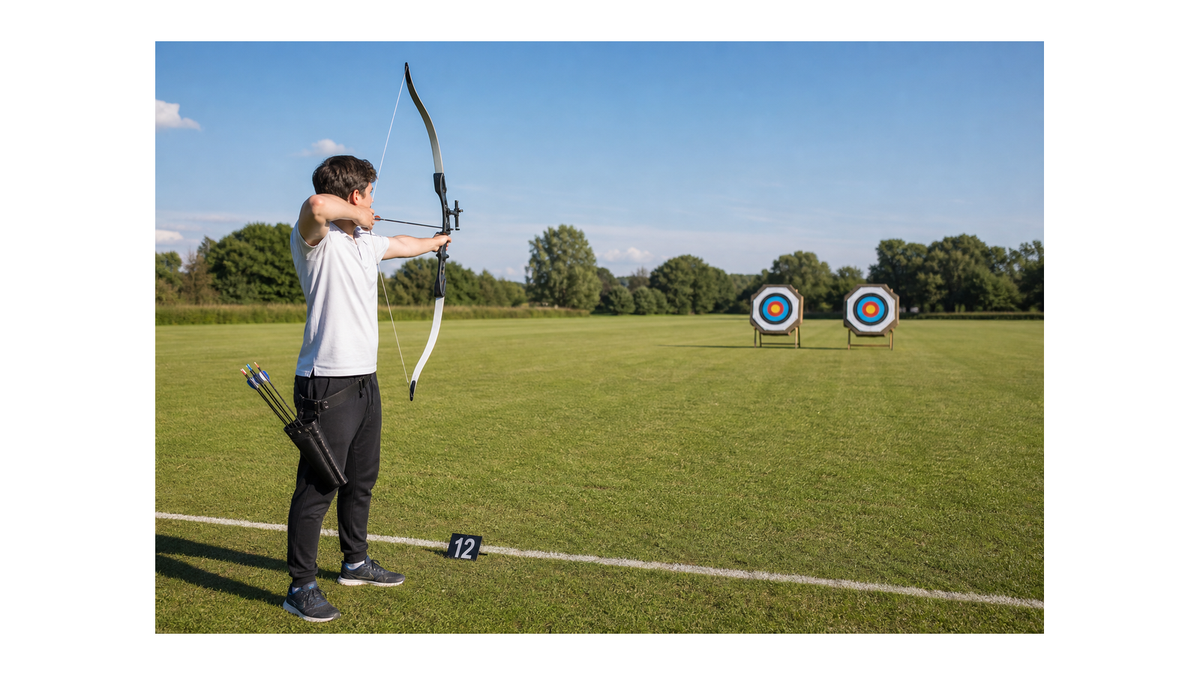
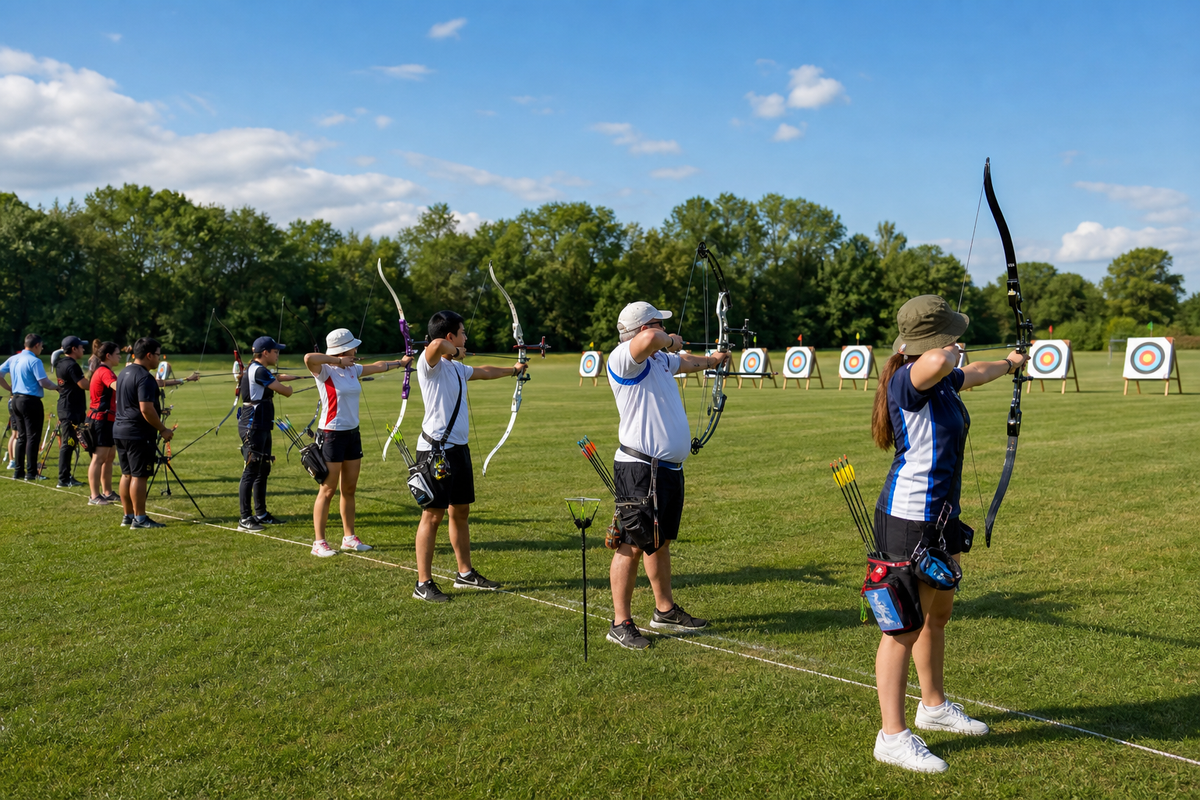
Signing up for your first outdoor archery tournament is exciting, but the gap between backyard practice and a formal competition can feel wide. Distances are longer, scoring is structured, and the equipment expectations are different. This outdoor competition guide for beginning archers walks you through the formats you'll encounter, how to choose the right gear, and what to focus on before you step onto the line.
Understanding Outdoor Archery Formats
Most beginner-friendly outdoor tournaments follow either World Archery (WA) or National Field Archery Association (NFAA) formats. Knowing which one your local club uses shapes nearly every equipment and preparation decision you make.
World Archery Outdoor Rounds
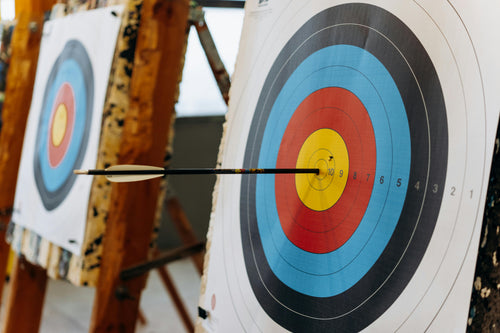
The WA 720 Round is one of the most common entry points for new competitors. Archers shoot 72 arrows at a single distance — typically 18 to 70 metres depending on age and bow division — at a standardised target face. Scoring runs from 1 to 10, with the X ring at the centre counting as 10. This format rewards consistency over raw power, which makes it well suited for beginners still building repeatable form.
NFAA Field Rounds
Field archery takes place on a course set through varied terrain. Target distances change from butt to butt and are sometimes unmarked, requiring archers to judge distance visually. This format develops different skills than target archery and can feel more unpredictable for newer competitors. Many clubs run beginner-friendly marked-distance versions to ease the transition.
Choosing the Right Bow Style for Competition
The two most common bow styles in outdoor competition are recurve and compound. Each has distinct rules, equipment requirements, and learning curves.
Recurve
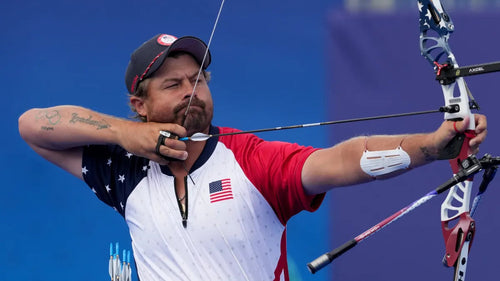
Recurve is the Olympic discipline and the most widely supported format at beginner competitions worldwide. A bare-bow or Olympic recurve setup is relatively straightforward to learn and easy to have tuned by a coach or pro shop. The equipment investment to get competition-ready is generally lower than compound, and beginner divisions typically allow a wide range of draw weights.
If you are new to the sport and want the broadest access to organised events, recurve is usually the most practical starting point. Browse Legend Archery's range of gear for recurve archers to see what a complete setup looks like at various price points.
Compound
Compound bows use a let-off system that holds less weight at full draw, which can reduce fatigue during longer rounds. However, competition-legal compound setups often require more accessories — a release aid, a stabiliser system, and a properly tuned rest — which adds cost and complexity. Many beginners find compound more forgiving once set up correctly, but getting to that point takes more initial investment and coaching.
Essential Gear for Your First Outdoor Event
Beyond the bow itself, outdoor competition demands a specific kit. Going underprepared is one of the most common reasons beginners have a frustrating first event.
- Arrow selection: Arrows must be matched to your draw length and bow poundage. Underspined or overspined arrows will fly inconsistently regardless of how good your form is.
- Stabilisation: Even a basic front rod stabiliser helps manage torque and reduces hand movement through the shot. Most beginner divisions do not require a specific stabiliser setup, but some aid is better than none.
- Sight: A reliable single-pin or multi-pin sight with clear adjustability is essential for target archery outdoors. You will need to set marks for each competition distance during practice.
- Tab or release aid: Recurve archers use a finger tab; compound competitors use a mechanical release. Neither should be an afterthought — poor finger protection or a sticky release directly impacts your scores.
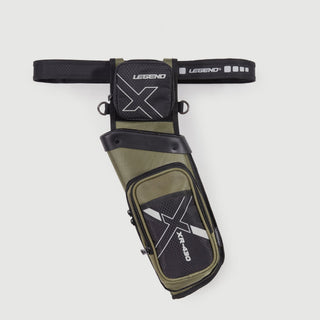
- Quiver and accessories: A hip quiver or back quiver keeps arrows accessible and protected. Bring a spare nocking point, extra nocks, and a basic arrow puller.
- Dress code awareness: Many clubs enforce a basic dress code at sanctioned events. Check with the tournament organiser in advance.
Legend Archery's range covers the carrying side of competition day: bow cases, quivers, backpacks and arrow tubes.
Preparing Practically Before Competition Day
Equipment choices matter, but preparation habits matter more. Most beginners who struggle in their first event are underprepared in predictable ways.
Train at Competition Distances
If your event shoots at 50 metres and you have only practised at 20, the adjustment will be significant. Arrow drop, wind drift, and sight picture all change substantially as distance increases. Gradually extend your practice distances in the weeks before your event. If you do not have access to a long-distance range, contact your local archery club — most welcome visiting archers for practice sessions.
Understand the Scoring and End Structure
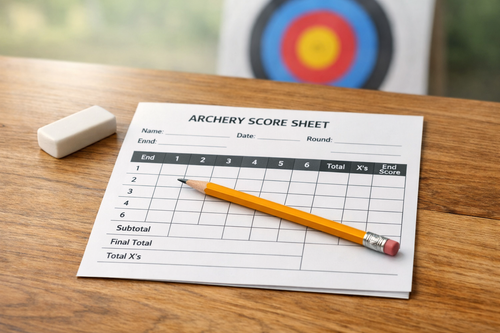
Most outdoor rounds are divided into ends of three or six arrows. Archers score each end immediately after shooting. Knowing the scoring zone values and the time allowed per end reduces anxiety on the day. Many beginners spend so much time worrying about shooting that they forget to learn the rules — arrive knowing exactly how your specific round works.
Weather Preparation
Outdoor events continue in most weather conditions. Wind, rain, and bright sun all affect arrow flight and sight picture differently. Practice outdoors in varied conditions whenever possible. A hat with a brim, sunglasses appropriate for target visibility, and a light waterproof layer should be in your range bag.
Common Mistakes Beginning Competitors Make
Pattern recognition from experienced archers and coaches points to a consistent set of avoidable errors at beginner-level competition.
- Buying gear before solidifying form: No sight, stabiliser, or arrow upgrade compensates for inconsistent anchor, grip, or release. Get coaching before spending on accessories.
- Ignoring equipment rules: Each division and format has specific equipment regulations. Bring your gear into compliance before the event — not during equipment check on the morning of competition.
- Underestimating warm-up time: Arriving and shooting cold leads to early-end mistakes that drag down scores. Allow sufficient time to warm up your draw muscles and confirm your sight marks.
- Treating the first event as a performance test: Your first competition is a learning experience. Archers who approach it this way leave with useful information; those who expect a personal best leave disappointed.
- Neglecting mental preparation: Scoring in front of others, time pressure, and unfamiliar surroundings are mental challenges. Simple routines — consistent breathing, a pre-shot sequence — help manage performance anxiety more than any piece of equipment.
Frequently Asked Questions
What distances should beginners expect to shoot at outdoor competitions?
It depends on the format and division. Many beginner and junior WA divisions start at 18 to 30 metres. Standard adult divisions commonly shoot at 50 or 70 metres. NFAA field courses vary per butt. Always check the specific event schedule before registering so you can practice at the right distance.
Do I need special arrows for outdoor competition?
Your arrows need to be correctly spined for your draw length and bow poundage, and they must comply with your division's equipment rules. Most beginner divisions are relatively permissive, but aluminium or carbon arrows matched to a spine chart and cut to your draw length are the practical minimum for consistent results outdoors.
How do I avoid the most common gear mistakes as a first-time competitor?
The biggest gear mistakes are buying equipment before receiving coaching, and not verifying that your setup is legal for your division. Get a lesson or two, have a coach or pro shop check your draw weight and arrow spine, and read the competition rules for your specific format before purchasing anything beyond the basics.
Should I learn form before focusing on buying competition gear?
Yes, always. Fundamental form — stance, anchor point, draw, and release — determines your ceiling as an archer far more than equipment does. A beginner with sound form and basic gear will consistently outscore a beginner with poor form and expensive kit. Focus on lessons and coached practice first, then build your equipment around a stable, repeatable shot process.
Getting Started With Confidence
The first outdoor competition is the hardest one — not because of the shooting, but because everything is unfamiliar. Understanding the format, having the right gear dialled in, and arriving prepared turns that uncertainty into manageable challenge. Use this outdoor competition guide for beginning archers as a checklist and a starting point, then go find your local club and register for an event. The best preparation for competition is competition itself.
When you are ready to build or upgrade your outdoor kit, explore the full outdoor archery collection at Legend Archery for equipment suited to every level of the game.