Skip to content
 cust@legendarchery.com
 302 503 5767
 Westfield IN 46074



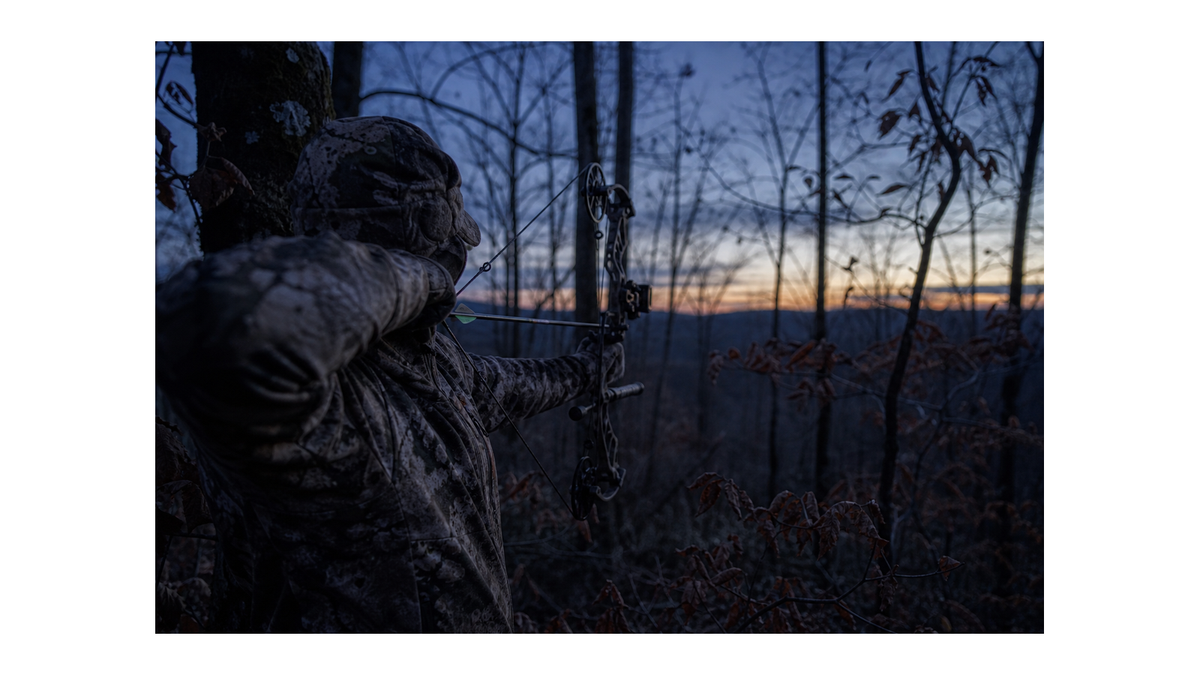
A thermal bow sight is one of the more specialized pieces of aiming equipment available to archers today, combining heat-sensing optics with traditional sight mechanics. Whether you're considering one for low-light shooting situations or simply want to understand what this technology actually does, this guide breaks down the core concepts, the key buying criteria, and the most common mistakes archers make when approaching this category for the first time.
What Is a Thermal Bow Sight?
A thermal bow sight is an aiming device that incorporates a thermal imaging sensor — the kind that detects infrared radiation emitted by objects based on their temperature — into a mountable bow sight housing. Unlike a standard bow sight that relies on visible light and fiber optics or LED illumination, a thermal-enabled sight can detect heat signatures even in complete darkness, heavy cover, or low-contrast environments.
The core technology is borrowed from the military and law enforcement world, where thermal optics have been standard equipment for decades. In the archery context, the same principle applies: the sight's sensor reads the heat difference between a target (or animal) and its background, rendering it as a visible image on a small integrated display.
It's worth being clear: this is not a night-vision sight. Night vision amplifies available light. Thermal imaging reads heat. The two technologies look and behave very differently, and they have different strengths in different environments.
How Thermal Bow Sights Work
Understanding the mechanics helps you evaluate whether a thermal sight actually fits your needs.
- Sensor resolution: The thermal sensor has a resolution rating, often expressed as pixels (for example, 160×120 or 320×240). Higher resolution means a sharper, more detailed image and generally a higher price point.
- Refresh rate: This is how many times per second the image updates. A higher refresh rate (measured in Hz) produces smoother motion tracking and reduces blur when either the target or the archer is moving.
- Display type: The thermal image is shown on a small integrated screen — either OLED or LCD — positioned so the archer looks through or into it during the shot. Some designs overlap the display with a traditional pin or reticle system.
- Detection range: Thermal sensors have a practical effective range, beyond which heat signatures become too diffuse or small to be useful. Understanding the rated range of any sight you're considering matters enormously for your intended use case.
- Mounting compatibility: Most thermal bow sights are designed to mount to standard dovetail or picatinny-style rails. Verify compatibility with your bow's riser before purchasing.
Who Actually Needs a Thermal Bow Sight?
This is the most important question a prospective buyer should answer honestly before spending money on this technology. Thermal bow sights are highly specialized and not a general-purpose upgrade for most archers.
They are primarily relevant for:
- Low-light or no-light scenarios where legal shooting hours extend past visible light conditions and other aiming technology becomes impractical.
- Dense vegetation environments where heat signatures can help distinguish a target from its surroundings more reliably than color contrast alone.
- Archers who already have a strong foundational setup — proper draw, consistent anchor, and a well-tuned bow — and are looking at aiming technology as the next variable to refine.
Target archers shooting at marked distances with clear visibility have no practical need for thermal technology. For those shooting in full daylight with a tuned compound or recurve setup, a quality conventional sight will outperform a thermal unit in terms of precision, reliability, and simplicity. If you're still building foundational skills, understanding your bow sight basics — including how a bow sight level affects cant-related misses — should come before exploring thermal optics.
Key Buying Criteria for a Thermal Bow Sight
When evaluating your options in this category, weigh these factors carefully rather than defaulting to the highest price or the most impressive-sounding spec sheet.
- Sensor resolution and image quality: A higher-resolution sensor produces a clearer image, which translates to better target identification and more confident shot placement. Don't sacrifice resolution for a lower price if image clarity matters to your use case.
- Weight and profile: Thermal units carry electronics, a battery, and a display, making them substantially heavier than a standard fiber optic pin sight. Assess how this added weight affects your front-end balance and whether your bow's weight tolerance accommodates it.
- Battery life: Thermal sensors draw significantly more power than LED-illuminated pins. Look for realistic battery life figures and consider whether a rechargeable system or replaceable batteries better suits how you operate in the field.
- Durability ratings: Any sight used in outdoor low-light conditions should be water-resistant and capable of handling temperature swings. Look for IP-rated or similarly verified weather resistance.
- Zeroing and adjustment system: The sight still needs to be zeroed like any other aiming device. Evaluate how the elevation and windage adjustments work, whether they're tool-free or require an Allen key, and how repeatable the clicks are.
- Display brightness control: In a dark environment, a display that's too bright will destroy your natural night adaptation and potentially be visible to what you're shooting at. Adjustable brightness is a practical necessity, not a luxury.
Trade-offs to Understand Before You Buy
No piece of equipment solves every problem, and thermal bow sights are no exception. Being honest about the trade-offs helps you make a smarter decision.
- Cost: Thermal technology remains expensive relative to conventional sighting systems. Entry-level thermal optics carry a significantly higher price tag than even premium pin sights.
- Complexity: More technology means more potential failure points. Electronics can fail in cold weather, batteries die at inconvenient moments, and software glitches can occur. A standard fiber optic sight has none of these failure modes.
- Learning curve: Reading a thermal image and placing a shot confidently takes practice. The image looks different from what you see with the naked eye, and new users often need time before they can shoot with genuine confidence through a thermal display.
- Regulatory considerations: Before purchasing, verify that the use of thermal-assisted aiming technology is permitted under applicable regulations for your intended activity and location. Regulations vary significantly and change periodically. This matters most for hunting: many U.S. states restrict or ban electronic or thermal-imaging sighting devices for bowhunting specifically, even where the same device is unrestricted for target shooting. Check your state wildlife agency's current hunting regulations before using one in the field.
Common Mistakes Beginners Make with Thermal Bow Sights
Archers new to this technology tend to repeat a predictable set of errors. Avoiding these from the start saves time, money, and frustration.
- Buying thermal before mastering fundamentals: Thermal imaging doesn't correct form issues, inconsistent anchor points, or a poorly tuned bow. Fix those first.
- Ignoring weight distribution: Adding a heavy thermal unit to the front of a bow without adjusting the stabilizer or grip technique often leads to torque and cant — problems that undermine accuracy regardless of how good the sight is.
- Not practicing with the display before a real shooting situation: The visual experience through a thermal display is unfamiliar. Archers who don't log practice sessions with the sight before relying on it in a high-stakes moment tend to be caught off guard by the image style and response time.
- Assuming all thermal sights are the same: Sensor resolution, refresh rate, and image processing vary enormously between manufacturers and price points. Cheap thermal units often produce blocky, low-detail images that are genuinely difficult to use at practical archery distances.
- Overlooking zeroing discipline: A thermal sight must be zeroed just as carefully as any other sight — and re-zeroed if the unit is removed and remounted. Skipping this step is a common mistake that leads archers to blame the technology instead of the setup process.
Frequently Asked Questions
What does a thermal bow sight actually do that a regular sight can't?
A conventional bow sight depends on visible light — either ambient light reaching fiber optic strands or battery-powered LED illumination on pins. When visible light disappears or becomes insufficient, those systems stop being useful. A thermal sight reads heat instead of light, so it can render a target as a visible image even in complete darkness or heavily shadowed environments where a standard sight would be essentially blind.
Is thermal bow sight technology legal to use?
This depends entirely on your jurisdiction and the specific activity. Regulations governing aiming devices vary by state, region, and season. Always check applicable laws before purchasing or using this technology. Do not assume that because a product is sold commercially, its use is automatically permitted in your location.
What mistakes do beginners make when buying a thermal sight for their bow?
The most frequent mistakes are buying thermal technology before mastering conventional sighting fundamentals, underestimating the added weight's effect on bow balance, failing to practice with the thermal display before relying on it, and choosing a unit based on price alone without evaluating sensor resolution and image quality.
How do I know if my bow can mount a thermal sight?
Most thermal bow sights require a picatinny or dovetail rail for mounting, similar to optics on firearms. Many compound bows have a standard sight mounting hole pattern on the riser that may or may not accept a rail adapter. Check the mounting system of any sight you're considering against your bow's riser specs before purchasing. When in doubt, contact the sight manufacturer directly.
Conclusion
A thermal bow sight is a legitimate but highly specialized tool. It solves a specific problem — aiming when light is absent — and it does so at meaningful cost and complexity. For the right archer in the right situation, that trade-off is worthwhile. For most archers, investing in a quality conventional sight, sound fundamentals, and consistent practice will produce better results. If you've determined that thermal technology genuinely fits your use case, focus your evaluation on sensor resolution, display quality, weight, battery life, and zeroing precision — in that order.