Skip to content
 cust@legendarchery.com
 302 503 5767
 Westfield IN 46074



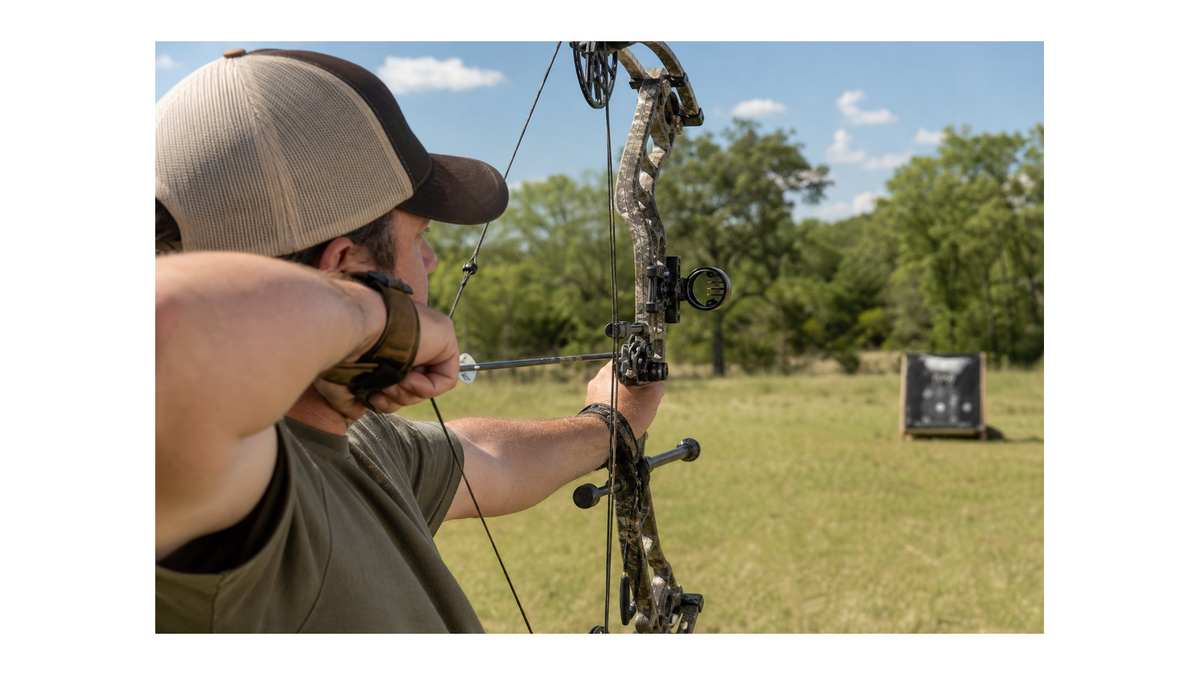
A picatinny bow sight uses a standardized rail interface — borrowed from the firearms industry — to attach a sight head to a bow's riser in a way that is quick to install, remove, and re-mount with consistent alignment. For archers who want tool-free transitions, multi-platform compatibility, or a modular setup, understanding this mounting system before you buy can save a lot of frustration at the range.
What Is a Picatinny Bow Sight?
The Picatinny rail — formally known as MIL-STD-1913 — is a slotted mounting standard originally developed for attaching optics and accessories to rifles. The rail features a series of precisely spaced rectangular slots that accept compatible clamps and locking mechanisms. When this system is adapted for archery, the result is a picatinny bow sight: a sight unit designed to clamp directly onto a Picatinny-compatible rail mounted on a compound bow's riser.
Most traditional compound bow sight systems use a fixed dovetail or a drilled-and-tapped two-hole or four-hole mounting plate. Picatinny-style mounting adds a third option that prioritizes interchangeability and zero retention — meaning when you remove the sight and reattach it, it returns to the same position without re-sighting in from scratch.
Why Archers Are Looking at This Mounting System
The appeal is straightforward: repeatability. If you shoot multiple bows, travel to competitions, or need to swap between a hunting configuration and a target configuration, a rail-based system lets you move a single sight head between platforms without losing your zero. That has genuine value for serious compound archers managing multiple setups.
There is also a crossover community — primarily hunters who also use firearms — who are already comfortable with Picatinny-compatible optics and find it intuitive to extend that familiarity to their bow rig. For them, the learning curve is minimal and the accessory ecosystem is broad.
That said, picatinny mounting is not universally superior. It adds mass to the sight assembly, requires a riser that is either pre-drilled for a rail or compatible with an adapter plate, and the selection of sight heads purpose-built for archery in this format is narrower than the standard mounting market. These are honest trade-offs worth weighing carefully.
Core Principles: How the System Actually Works
Before selecting any sight in this category, it helps to understand the three main components at play:
- The rail or adapter: This attaches to the bow's riser, either via the factory sight mounting holes or a dedicated Picatinny-spec rail that the manufacturer has integrated into the riser design. Quality of the rail material and tolerances matter significantly here — a poorly machined rail introduces wobble that defeats the purpose of repeatable zero retention.
- The sight head: This is the optical or pin-based aiming unit that clamps onto the rail. Some sight heads are purpose-designed for the Picatinny format; others use a standard sight head with a Picatinny-compatible clamp attachment. Verify that the clamp engages the rail slots fully and locks without lateral play before trusting it for consistent accuracy.
- The locking mechanism: Most Picatinny clamps use a lever-lock or a cross-bolt tightening system. The quality of this mechanism directly determines how well the sight retains its position under the recoil impulse and vibration of a bow shot. Cheap clamps can creep over time.
One component worth noting separately is the bow sight level. Because a rail-mounted sight sits in a fixed rotational orientation once clamped, any cant in the rail itself will translate directly into windage error. A quality bubble level integrated into your sight — or used as a standalone reference — becomes especially important when zeroing a rail-mounted setup for the first time.
What to Look for When Choosing One
Shopping for a sight in this category means evaluating both the sight head and the mounting hardware together. Here is what deserves your attention:
- Riser compatibility: Confirm your bow's riser has a Picatinny-compatible mounting surface or that a quality adapter plate exists for your model. A universal adapter that requires shimming or modification is a red flag for long-term repeatability.
- Rail material and machining tolerances: Aluminum alloy rails with tight slot tolerances hold zero far better than polymer or low-grade aluminum versions. Ask or check product descriptions for material specifications.
- Sight head purpose: Are you shooting target archery at fixed distances, or do you need adjustable yardage pins for hunting scenarios? For low-light or after-dark hunting specifically, a thermal bow sight solves a different problem than standard pin visibility. Single-pin slider sights and multi-pin gang sights both exist in Picatinny-compatible formats, but availability varies by brand.
- Weight distribution: Adding a rail and clamp mechanism increases front-end mass on the riser. If you already run a stabilizer and a heavy sight, consider whether the additional weight affects your balance and hold.
- Detachment speed: If quick-detach capability is the main reason you are choosing this format, evaluate the lever mechanism under realistic conditions. Some lever-lock systems loosen their clamping tension with repeated removal cycles.
- Fiber optic or scope housing: Many compound archers in this space use a scope-style sight head for 3D or field archery. Ensure the magnification and aperture diameter are appropriate for your shooting distances.
Common Mistakes Buyers Make
Understanding what goes wrong helps you avoid wasted money and rework at the range:
- Assuming any Picatinny clamp works: The Picatinny standard defines slot spacing, but clamping surface width and clamp jaw depth vary between manufacturers. A clamp designed for rifle-width rails may not seat correctly on a narrower archery adapter rail.
- Skipping the torque check: Rail-mounted sights are only as repeatable as the clamping torque used during installation. Under-tightening allows the sight to shift; over-tightening on aluminum components can strip threads or deform the rail. Follow the manufacturer's torque guidance if provided.
- Not zeroing after every remount during initial setup: Even well-made quick-detach systems benefit from a verification check the first several times you remove and reattach the sight. Repeatability builds trust over multiple cycles, not just one.
- Buying for aesthetics over function: Tactical-looking gear is popular, but a sight's appearance should not drive your decision. Focus on pin clarity, adjustment resolution, and clamp quality rather than finish or visual style.
- Ignoring adapter quality: Some archers invest in a premium sight head and then pair it with a budget adapter plate. The adapter is the foundation; poor machining there undermines everything above it.
Frequently Asked Questions
Is a picatinny sight system compatible with any compound bow?
Not automatically. Your riser needs either a factory-integrated Picatinny rail or a compatible adapter plate that mounts via your existing sight holes. Check your bow manufacturer's specifications and look for adapter plates designed specifically for your riser model rather than relying on universal-fit solutions.
Does using a rail mount actually hold zero better than a traditional sight mount?
A quality Picatinny rail mount can hold zero extremely well — better than a loose or worn traditional mounting plate. However, a well-installed traditional mount also holds zero reliably. The real advantage of rail-based mounting is repeatable quick-detach capability, not inherently superior zero retention compared to a securely bolted fixed sight.
What mistakes do beginners make when first using this type of sight?
The most common issue is not verifying zero after reattachment. Beginners often assume the sight returns to zero automatically and skip confirmation shots. The second common mistake is choosing a rail and clamp combination based on price alone rather than checking whether the slot dimensions are genuinely compatible with their specific sight head.
Can this mounting style work for traditional archery?
Practically speaking, no. Picatinny-style sights are a compound bow accessory. Traditional recurve and longbow shooting either uses very simple pin sights or no sight at all, and riser geometry on most traditional bows is not compatible with rail mounting hardware. If you are exploring traditional shooting, the setup considerations are entirely different.
Final Thoughts
A picatinny bow sight is a practical choice for compound archers who genuinely need quick-detach repeatability across multiple bows or configurations. If that describes your shooting life, focus your budget on rail quality and clamp engineering rather than sight-head features alone. If you shoot one bow at fixed distances with no need to swap gear, a traditional mounting system may serve you equally well at lower complexity. Match the format to your actual use case, and you'll spend more time shooting and less time troubleshooting.