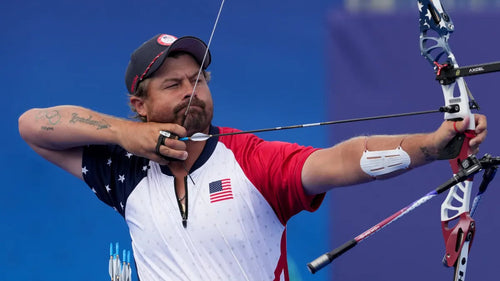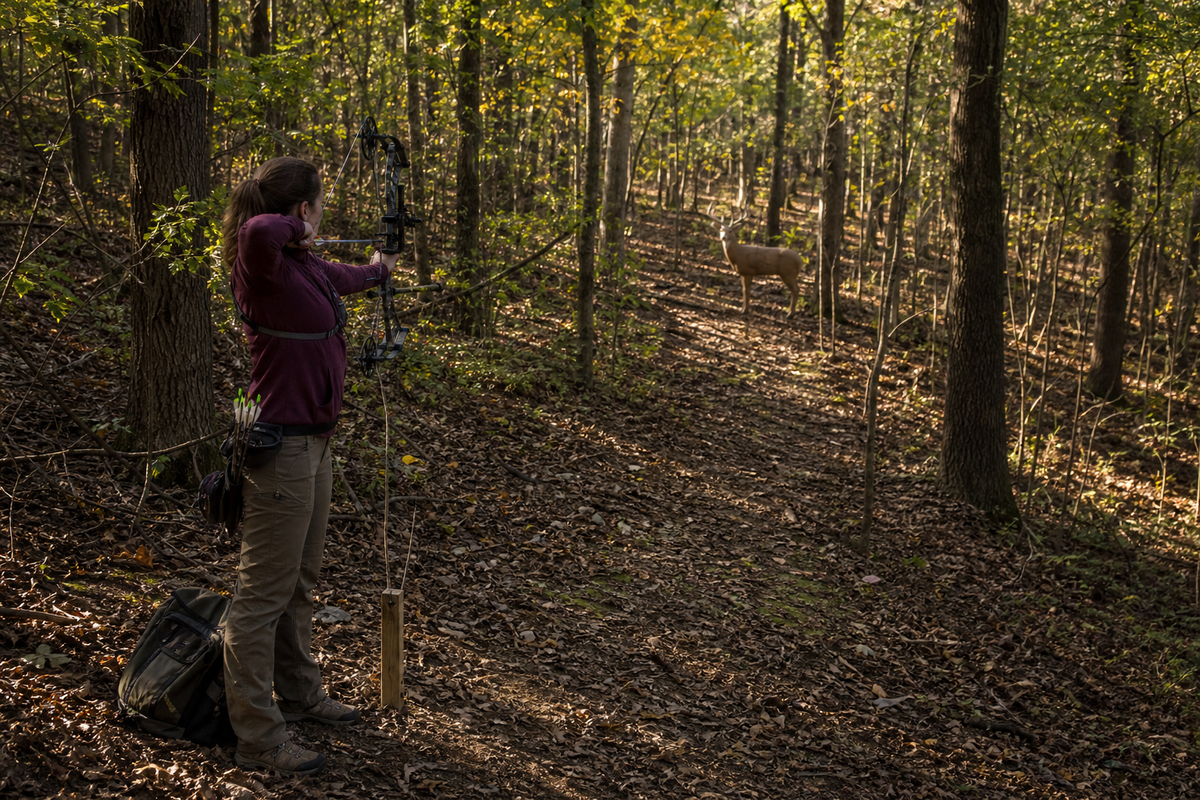
3D target archery is one of the fastest-growing formats in the sport, and for good reason. Unlike flat range shooting, it places archers in natural environments where distance, angle, and instinct all come into play. Whether you're drawn to the competition side or simply want a more engaging way to practice, understanding how this format works will help you get the most out of every round.
What Is 3D Target Archery?
At its core, 3D archery involves shooting at life-size, three-dimensional foam targets shaped like animals — deer, elk, bear, wild boar, turkeys, and more. These targets are placed throughout a wooded or natural course, typically at unmarked distances. Archers walk from station to station, assess each shot based on terrain and target position, then shoot from a designated stake or area.
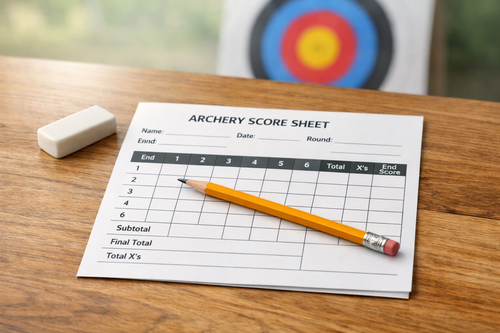
The scoring rings are molded into the body of each foam animal, mirroring realistic anatomy. A bull's-eye shot to the vital zone scores highest, with lower rings awarded for hits farther from center. Most organizations use a 10-zone scoring ring in the center, surrounded by 8- and 5-point rings, though exact rules vary by sanctioning body. Our glossary entry on archery targets breaks down how target types and scoring zones differ across disciplines.
Major governing bodies include the Archery Shooters Association (ASA) and the International Bowhunter Organization (IBO) in the United States, as well as World Archery, which oversees international 3D competition. Each organization sets slightly different rules regarding equipment classes, distances, and scoring systems.
Why 3D Archery Develops Better Archers
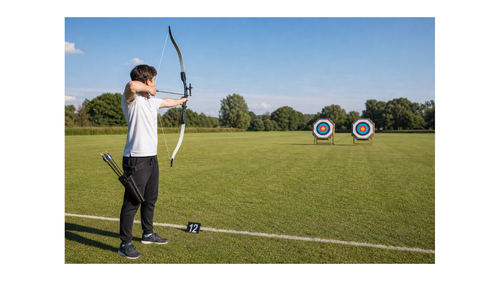
Flat-range practice builds a foundation — and a bag target at a known 20-yard line is a great place to start — but shooting that same line week after week creates habits that don't transfer well to real-world conditions. Shooting through a wooded course forces you to solve problems that a foam square simply doesn't present:
- Distance estimation: Without a marked yardage, you must judge distance using your eyes, surroundings, and experience — a skill that takes deliberate practice to sharpen.
- Shot angle compensation: Uphill and downhill shots require you to adjust your aim point. The actual distance you need to account for is the horizontal distance, not the line-of-sight distance to the target.
- Mental pressure: Walking up to a target knowing you only get one arrow creates a competitive mindset that closely mirrors real hunting situations or match pressure.
- Varying light and wind: Tree cover, shadows, and unpredictable gusts all affect how you read a shot, teaching adaptability that indoor or flat-range shooting rarely demands.
For compound archers, recurve shooters, and traditional longbow archers alike, a 3D course offers a level of engagement that keeps practice sessions mentally active rather than mechanical.
How a Typical 3D Course Is Structured
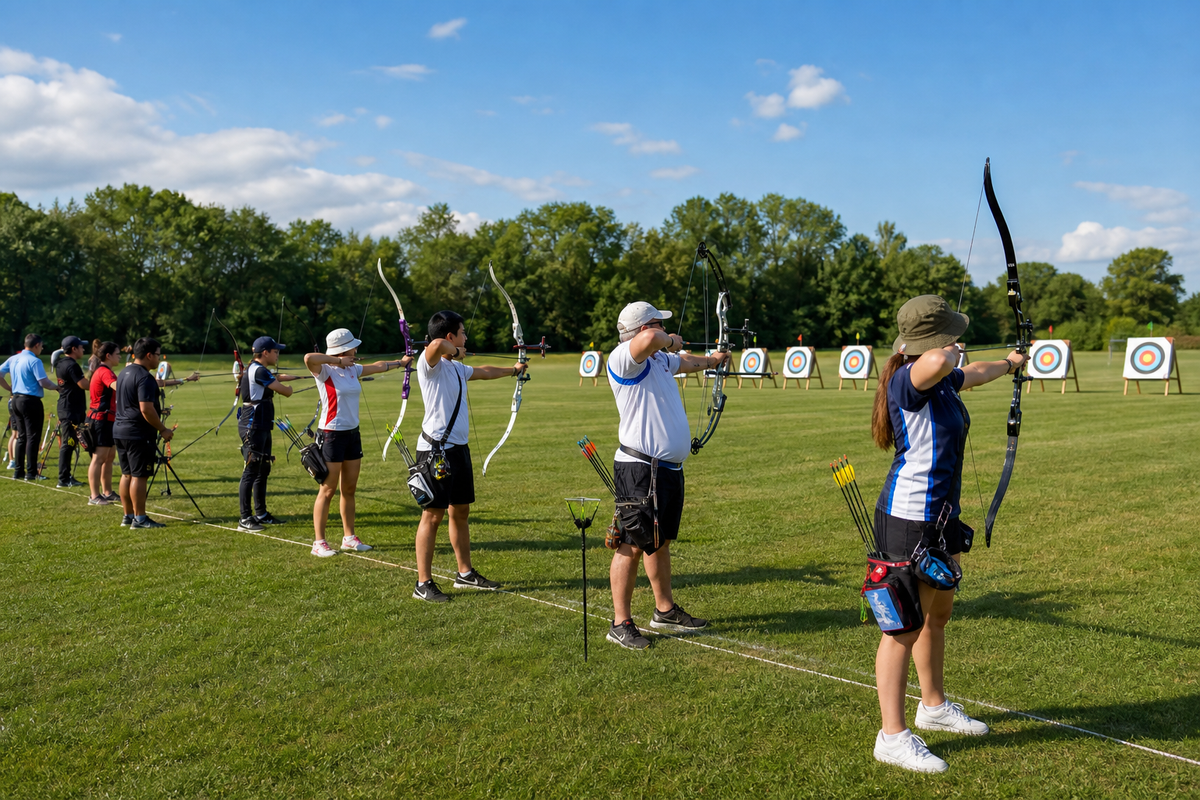
Most courses consist of 20 to 40 targets laid out across a natural landscape. Each station includes a shooting stake — sometimes multiple stakes at different distances for different equipment classes or skill divisions. Archers typically shoot in small groups, rotating through all stations and keeping a running score.
Divisions are usually separated by equipment type and skill level. Common categories include:
- Open/Compound: Compound bows with release aids and scopes or multi-pin sights.
- Recurve: Olympic-style or barebow recurve, often with a sight but no magnification.
- Traditional: Longbows and recurves shot instinctively with no sights.
- Youth and Cub divisions: Shorter distances and scaled scoring to make the format accessible to younger archers.
Competitive events often span a full day or weekend, with archers completing multiple rounds. Club-level shoots are far more relaxed, making them a welcoming entry point for newcomers.
Gear Considerations for 3D Archery
You don't need specialized gear to participate in 3D archery — the bow and arrows you already shoot are almost certainly legal in one division or another. That said, a few practical considerations will make your experience more comfortable and productive. If you're setting up your own backyard course, our guide to buying a 3D foam target covers what to look for.
- Arrow selection: Arrows with a flatter trajectory are easier to manage at unknown distances. Heavier arrows hit with more force but drop more quickly, which affects your margin for error on distance misjudgments.
- Rangefinder: Many open divisions allow rangefinders, while others prohibit them specifically to test your distance-judgment skills. Check the rules for your division before using one.
- Footwear: A 3D course is walked — sometimes over rough, uneven ground. Sturdy trail footwear matters more than people expect on their first shoot.
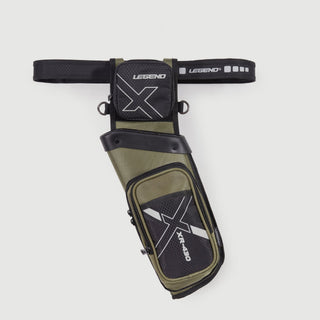
- Carrying your gear: Walking 20 or more stations with a bow, arrows, scorecard, and personal items gets tiring. A well-designed archery backpack keeps your essentials organized and your hands free between shots.
- Arrow puller and lube: Dense foam targets grip arrows firmly. A rubber arrow puller and a small amount of arrow lube on your shafts will save a lot of frustration.
Common Mistakes Beginners Make in 3D Archery
Most new 3D archers share the same set of early errors. Recognizing them ahead of time shortens the learning curve significantly.
- Overestimating distance: Beginners almost universally shoot long on their first few courses. Objects in natural settings often appear farther away than they are. Train your eye by estimating distances in everyday environments — parking lots, fields, yards — then check yourself with a tape measure or rangefinder.
- Ignoring shot angle: A target sitting 10 yards below you on a hillside is not a 10-yard shot in terms of trajectory. Failing to account for the angle leads to shots that fly high. A reliable rule of thumb: aim for the horizontal distance, not the slope distance.
- Rushing the shot: The relaxed, walk-around atmosphere of a course can trick archers into lowering their shot routine standards. Every arrow should receive the same process — grip, anchor, alignment, release — regardless of how casual the environment feels.
- Wrong arrow placement on the target: On animal 3D targets, the highest scoring zone sits over the vital area, not the geometric center of the foam body. Spend time studying target anatomy so you're aiming at the right spot, not just the middle of the animal.
- Neglecting weather conditions: Wind that's easy to dismiss on a covered range becomes a significant variable when you're shooting through a gap in the trees. Factor in wind direction and speed before each shot.
How to Improve Your 3D Archery Skills Over Time
Consistent improvement in this format comes from combining structured practice with deliberate in-field experience. A few methods that experienced 3D archers rely on:
- Practice at unmarked distances on your home range. Set up targets, estimate before you shoot, then check your estimate with a rangefinder after.
- Walk courses with more experienced archers and ask how they read specific shots. Learning how others process terrain and light conditions accelerates your own judgment.
- Shoot multiple equipment classes if your club allows it. Shooting traditional and compound on the same course on different days reveals how equipment choices affect decision-making.
- Attend club-level events before regional or sanctioned competition. The low-stakes environment lets you focus on skill development rather than score anxiety.
Beyond your bow and arrows, having the right archery shop accessories and gear on hand makes every 3D practice session easier to manage.
Frequently Asked Questions
Is 3D archery only for hunters?
Not at all. While the animal target format has obvious appeal to bowhunters looking to practice realistic shots, a large portion of 3D participants compete purely as a sport with no hunting background. Many Olympic-style recurve archers and compound target shooters use 3D courses to develop distance judgment and mental toughness.
How do you figure out the distance without markers?
Experienced archers use a combination of visual cues — vegetation size, shadows, the relative height of the target — alongside practiced intuition built over many rounds. Some start by picking a point they know the distance to (like a known-length clearing), then estimating from there. This is a learnable skill, not a talent, and it improves quickly with focused repetition.
What do beginners most often get wrong on their first 3D shoot?
The most common issue is overestimating distance, which leads to arrows hitting low on the target. Close behind that is rushing through shot execution because the atmosphere feels casual. Bringing your full range routine to every arrow — regardless of what's happening around you — is what separates consistent scorers from frustrated beginners.
Do you need a hunting bow to shoot 3D archery?
No. Any bow legal in your division works. Compound bows, recurves, traditional longbows, and even crossbows (in specific divisions) are welcome on most 3D courses. Equipment requirements vary by class, so check the rules for the division you plan to enter before your first event.
Getting Started
3D target archery rewards patience, observation, and consistent form under real-world conditions. Find a local club or ASA/IBO-affiliated event, bring your existing bow, walk the course with an open mindset, and focus on the process rather than the score. The skills you develop on a 3D course will carry over to every other format you shoot. For accessories that make the day more organized — from carrying solutions to field essentials — explore Legend Archery's range of archery accessories designed to support your time on and off the range.