Skip to content
 cust@legendarchery.com
 302 503 5767
 Westfield IN 46074


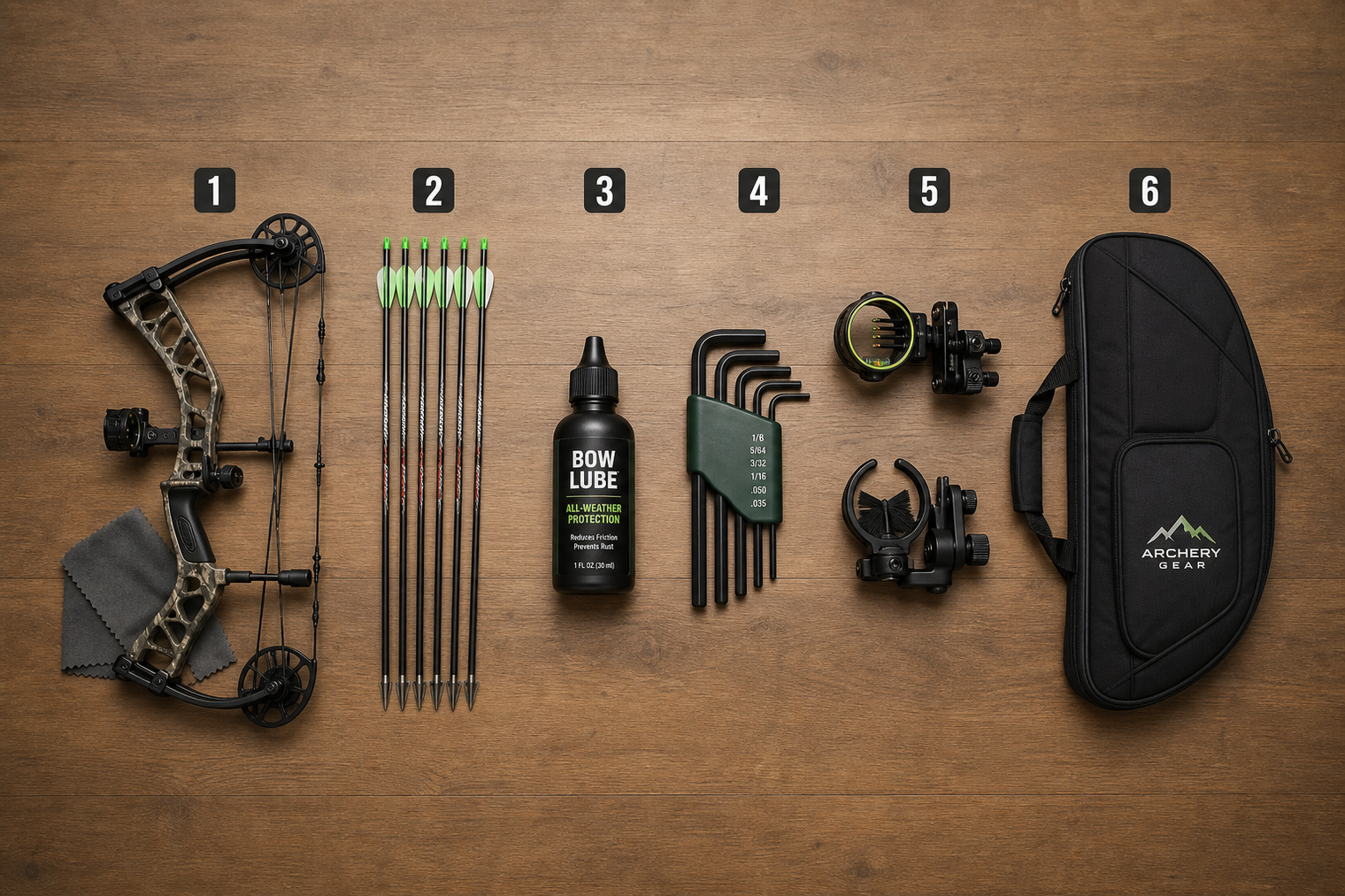
When hunting season winds down and temperatures drop, most archers pack up their gear and move on. That transition period is where real damage quietly happens. Moisture, temperature swings, and improper storage can degrade a bow's performance long before you pick it back up in spring. Taking an hour or two to properly care for your equipment now saves time, money, and frustration later.
Why Winter Is Hard on Archery Equipment
Archery gear is built to handle stress, but sustained exposure to cold and humidity creates problems that aren't always obvious. Bowstrings absorb moisture, which weakens individual fibers over time. Cams and limb pockets collect debris that freezes and expands. Carbon arrows become brittle when stored in uncontrolled temperatures. Even small metal components like sight pins and rest springs can corrode when humidity fluctuates between seasons.
Hunters who use archery equipment for hunting and fishing face an additional layer of concern. Field-used gear accumulates moisture, dirt, and organic debris during the season. Leaving that contamination on the equipment through winter accelerates wear significantly.
Core Principles of Off-Season Bow Care
Before diving into specific steps, it helps to understand the underlying logic. Winterizing archery equipment is built on three core ideas:
- Dry before you store. Moisture is the primary enemy. Every component should be dry before it goes into long-term storage.
- Inspect before you assume. Problems found now are cheap to fix. Problems discovered mid-season are expensive and inconvenient.
- Stable environment over convenience. A case in a temperature-controlled room is always better than a garage with dramatic temperature swings.
Step-by-Step: How to Winterize Your Equipment the Right Way
1. Clean Every Component Thoroughly
Start by wiping down the riser, limbs, and cams with a dry microfiber cloth. For compound bows, use a cotton swab to clear debris from cam tracks, string grooves, and limb pockets. A soft-bristled brush works well for recurve limbs and riser cutouts. Avoid compressed air directly on strings, as it can force grit deeper into the strands.
For arrow shafts, wipe each one individually and inspect for cracks, particularly near the nock and insert ends. Even hairline fractures compromise structural integrity and make an arrow unsafe to shoot.
2. Wax Your Strings and Cables
String maintenance is one of the most overlooked parts of off-season care. Apply a light coat of quality bowstring wax and work it into the fibers with your fingertips. The warmth from your fingers helps the wax penetrate the individual strands. Do not wax the served sections, including the center serving and peep sight area, as wax buildup there can cause inconsistent peep rotation.
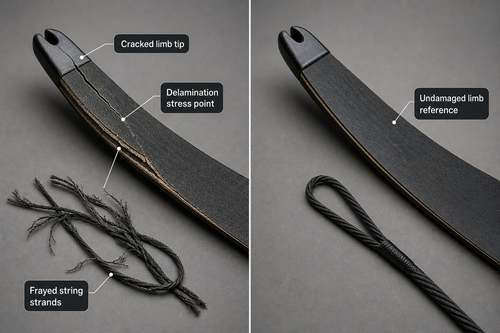
Inspect both strings and cables for fraying, separation, or discoloration. If you find significant wear, replace before storage rather than storing a compromised string for months.
3. Lubricate Moving Parts Appropriately
Axles, cam bearings, and any pivot points benefit from a light application of bow-specific oil or grease. Use only products recommended for archery equipment. Petroleum-based lubricants can degrade certain synthetic materials and attract dirt. A thin layer is sufficient. Over-lubricating creates its own problems by attracting grit that acts as an abrasive.
Arrow rests with moving parts, especially fall-away rests, should be cycled several times after lubrication to ensure smooth operation before being put away.
4. Check Your Sight, Rest, and Stabilizer Connections
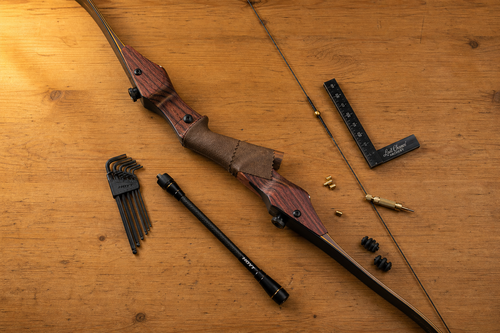
Cold weather causes materials to contract slightly, which can loosen screws and fittings that seemed tight during the season. Before storing, go over every bolt and mounting point on your sight, arrow rest, stabilizer, and quiver attachment. Use the appropriate hex keys and snug everything down. If you use thread-locking compound on any fittings, inspect whether it has degraded and reapply where needed.
5. Store Your Bow Unloaded When Possible
For recurve archers, this is straightforward: always unstring your bow for long-term storage. Leaving a recurve or longbow strung continuously fatigues the limbs and causes them to take a permanent set over time, reducing performance.
For compound archers, the bow should remain at full draw weight only if it is properly stored. If you intend to reduce draw weight for storage, do so evenly by backing out limb bolts the same number of turns on both limbs. Never unstring a compound bow without a bow press.
6. Choose the Right Storage Environment
Temperature stability matters more than the exact temperature. A cool, consistent environment is preferable to a warm space with wide daily swings. Avoid garages, outdoor sheds, or vehicles for long-term storage. Basements can work well if humidity is controlled. A hard case or a quality bow bag offers protection from dust, UV exposure, and accidental impact.
Store arrows horizontally or in a dedicated quiver hung vertically. Storing arrows in a bundle on their sides without support can introduce a slight warp over months, especially in carbon shafts.
7. Document Your Tune Before Off-Season
Before putting anything away, record your current setup: draw length, draw weight, peep height, sight marks, arrow rest position, and any other tuning references. Take photos if helpful. When you return to the bow in spring, having a clear baseline means you spend time shooting, not re-tuning from scratch.
Common Mistakes Archers Make During Winterization
- Skipping the cleaning step. Storing dirty equipment traps moisture and accelerates corrosion and material degradation.
- Using the wrong lubricants. Household oils or WD-40 are not designed for archery components and can cause damage over time.
- Storing in unstable environments. Garages and sheds expose gear to freeze-thaw cycles that stress materials and loosen fittings.
- Forgetting broadheads. Broadheads stored on arrows without covers are a safety hazard and will corrode. Clean, sharpen or replace, and store with blade covers installed.
- Leaving electronic accessories powered on. Lighted nocks, rangefinders, and bow-mounted cameras with batteries left inside can leak and cause damage over long storage periods.
- Not inspecting before storage. Waiting until spring to find a cracked limb or damaged string means scrambling to get ready for the season instead of a smooth return to practice.
If you are also preparing hunting-specific accessories like treestand harnesses, releases, or field points, give those the same level of attention. Well-maintained outdoor archery supplies simply last longer and perform more reliably when you need them.
Frequently Asked Questions
Does cold weather actually damage a bow if I store it properly?
Proper storage significantly reduces cold-weather risk. The real threat is not cold alone but moisture and temperature fluctuation. A bow stored clean, waxed, and in a stable environment handles winter well. A bow left in a damp garage is a different story.
How often should I wax my bowstring during storage?
One thorough waxing before storage is usually sufficient for a few months of inactivity. If storage extends beyond four to five months, a light reapplication when you retrieve the bow is a good practice before shooting.
Can I leave my arrows in the quiver all winter?
You can, but it depends on the quiver and storage location. Check that shafts are clean and dry first. If storing in a hip or bow quiver, make sure the quiver itself is not holding moisture against the shafts. A dry, ventilated storage environment removes most of the risk.
Should I reduce draw weight on my compound bow for storage?
There is ongoing debate among technicians on this. Modern compound bows with quality limbs generally tolerate being stored at full draw weight without issue. Reducing weight is more relevant for extended storage, older equipment, or if the manufacturer specifically recommends it. When in doubt, consult your bow's manual or a qualified bow technician.
Getting Ready for Next Season
Preparing your gear thoughtfully before winter means you can return to archery in spring without the frustration of unexpected repairs. A clean, inspected, and properly stored bow is ready to perform the moment you pick it back up. If you are also thinking ahead to next season's setup or replacements, browsing the full range of archery equipment available at Legend Archery is a good starting point for planning upgrades before season begins.