Arrow rest components wear out gradually, and that gradual wear is exactly what makes them easy to ignore. A frayed felt pad or a stretched fall-away cord rarely causes a dramatic failure — it just quietly degrades your arrow flight until your groups widen and you start chasing a tune that was fine a month ago. Knowing what to look for, and when to act, saves you a lot of frustration on the range.
Why Arrow Rest Wear Actually Matters for Accuracy
The arrow rest is the last point of contact between your bow and the arrow before the shot breaks. Even a small change in how the arrow sits or launches has a measurable effect downrange. Felt pads that have compressed, hardened, or picked up debris alter the arrow's initial position. A fall-away cord that has stretched, frayed, or lost tension changes the timing of when the launcher arm drops — and timing is everything with a fall-away rest.
Many archers blame their arrows, their release, or their form when groups open up, without ever checking the rest. In reality, component fatigue is one of the most common and most overlooked causes of unexplained inconsistency.
Understanding the Two Main Components: Felt Pads and Fall-Away Cords
Felt Pads and Contact Points
Felt pads are used on shoot-through rests, containment rests, and many fixed-prong designs as a buffer between the arrow shaft and the metal or plastic of the rest body. Their job is to reduce friction and prevent contact marks on the shaft. Over time, felt compresses under repeated arrow pressure, picks up grease and grit from the shaft, and can harden into a surface that actually creates more drag than a bare metal prong would.
Signs that felt needs replacement include:
- Visible flattening or matting of the material — it no longer has any spring or texture
- Discoloration or dark staining from shaft coatings, lubricants, or range grime
- Contact marks or vane cuts on the felt that create a rough leading edge
- Arrow fletching snagging slightly on the pass-through — often felt as a subtle inconsistency in release
- Hardened or brittle texture when you press it with a fingernail
Felt is inexpensive and easy to replace. Most manufacturers sell replacement pads, and many archers keep a small strip of self-adhesive archery felt on hand. If you shoot a high volume of arrows — say, several hundred per week — inspect the felt monthly. For recreational shooters, check it at the start of each season and after any extended break.
Fall-Away Cords and Timing
A fall-away rest relies on a cord or cable attachment connected to the bow's down cable or buss cable. When the bow is drawn, the cord lifts the launcher arm into the loaded position. At the shot, as the cables move, the launcher drops away before the fletching passes. That drop-away timing is what makes fall-away rests so effective at eliminating fletching contact — when the timing is correct.
The cord itself endures repeated tension cycles with every shot. Over time it can stretch, fray, develop kinks, or loosen at the attachment points. Any of these changes alter the moment the arm drops, which affects whether the fletching clears cleanly.
Signs that a fall-away cord needs attention:
- Visible fraying, unraveling, or fuzzy sections anywhere along the cord length
- The launcher arm dropping too early — often visible as the arrow dipping slightly before the shot breaks
- The launcher arm dropping too late — fletching contact marks on the arm or arrow vanes
- Inconsistent arrow flight that cannot be explained by form or tuning adjustments
- Any slippage or movement at the tie-off or clamp point on the cable
- Kinked or permanently bent sections that prevent smooth cord movement
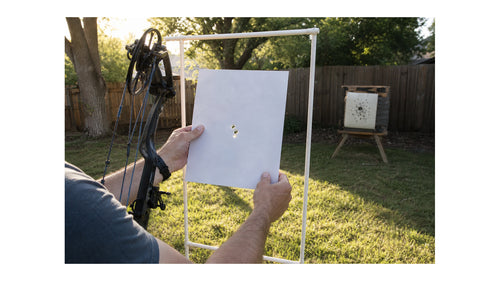
If you notice contact marks on your vanes — especially consistent marks on the same vane — a timing issue from cord wear is a likely culprit. Paper tuning will show this as a persistent tear that does not respond to point weight or rest height adjustments.
Practical Maintenance Schedule
There is no universal replacement interval because shooting volume, environment, and rest design all vary. However, a consistent inspection routine keeps small problems from becoming tuning headaches.
- After every session: Wipe down the rest body. Use a dry cloth to remove shaft residue and grit from felt surfaces. Do not use solvents on felt — they degrade the adhesive backing.
- Monthly (or every 300 to 500 arrows): Press the felt gently and check for compression. Run a bare arrow shaft across the contact point and feel for any roughness or snag. Inspect the fall-away cord under good light for fraying or stretch.
- At every restring or bow service: Any time a technician or yourself re-ties or adjusts cables, re-check the fall-away cord attachment point and confirm timing has not shifted.
- At the start of each season: Do a full inspection of both components. Replace felt proactively if it looks flattened, even if you are not sure it has caused problems yet. Felt costs very little compared to a session spent chasing a mystery tune.
How to Check Fall-Away Cord Timing Without a Bow Press
A simple method is to use a felt-tip marker or white paint pen to lightly mark your arrow vanes before a few shots. If the launcher is dropping cleanly before the fletching reaches it, there will be no transfer of the mark onto the rest arm. If you see marks on the arm, or your vane color appears on the rest, you have contact — and the cord timing is likely to blame.
Another approach is slow-motion video. Mount your phone at the side of your bow and record from full draw through the shot. Even basic smartphone slow-motion modes capture enough detail to see whether the launcher arm has fully dropped before the fletchings arrive. This is one of the most practical diagnostic tools available without any special equipment.
Replacing the Components: What to Know Before You Start
Felt replacement is straightforward. Remove the old pad, clean the surface with isopropyl alcohol, let it dry completely, and apply the new self-adhesive pad with firm pressure. Allow the adhesive to set for several minutes before shooting.
Fall-away cord replacement requires more attention. The critical variable is the tie-off position on the cable. When the cord is at the correct length and position, the launcher reaches full height at full draw — but no earlier. If you replace a worn cord with a new one of the same material, slight differences in stretch characteristics may require minor re-timing. The safest approach is to photograph or note the original tie-off position before removing the old cord, tie the new cord to the same position, and then verify timing using the vane-marking method described above.
If your rest uses a metal cable or loop attachment rather than a braided cord, check the loop or crimp for wear and micro-fractures rather than fraying. The same timing principles apply.
Common Mistakes Archers Make with Rest Maintenance
- Waiting for a visible failure before acting. Felt and cord degradation is gradual. By the time you can see obvious damage, it has already been affecting your shots for a while.
- Over-lubricating the rest body. Oils and silicone sprays that migrate onto felt dramatically accelerate its breakdown and can cause shaft residue to build up faster.
- Ignoring the cord after a bow re-tune. Adjusting draw length, changing the cable, or swapping strings can all shift fall-away timing even if the cord itself has not been touched.
- Using the wrong replacement felt. Generic craft felt is not the same as archery-grade felt. Thickness and density affect arrow position, so use material designed for the purpose.
- Assuming all unexplained inconsistency is a form issue. Always eliminate equipment variables — including rest component wear — before concluding that the archer is the problem.
Frequently Asked Questions
How do I know if my arrow rest felt is causing accuracy problems?
The most reliable signal is a gradual, unexplained opening of your groups that does not respond to form corrections or tuning adjustments. Run your fingertip across the felt — if it feels hard, rough, or matted rather than soft and slightly textured, it has likely compressed past the point of doing its job properly. When in doubt, replace it. The cost is minimal and the diagnostic value is immediate.
How often should I replace a fall-away cord?
There is no fixed interval. A braided cord used by a high-volume shooter may need attention after a full season; the same cord under lighter use might last several years. Inspect it every few months or whenever unexplained arrow flight issues appear. Fraying, stretch, or any change in timing are more reliable signals than a fixed shot count.
Can a beginner replace fall-away rest parts themselves?
Felt replacement is beginner-friendly. Fall-away cord replacement requires a bit more care because incorrect tie-off positioning will change timing and affect accuracy. If you are new to bow maintenance, photograph the original setup carefully before removing anything, and verify timing with the vane-marking method after re-installation. If you are unsure, a pro shop technician can do it quickly.
Why do my vanes keep getting nicked even after I re-tuned the rest?
Persistent vane nicks that survive a full re-tune often point to a timing issue rather than a position issue. If the fall-away cord is stretched or the tie-off has slipped, the launcher may not be dropping fast enough to clear the fletching. Check the cord and attachment point before making further tuning changes.
Keeping Your Rest in Tune
Arrow rest upkeep is one of the lower-effort, higher-reward habits in archery maintenance. A few minutes of inspection per session and a proactive approach to replacing felt and cords will keep your bow shooting the way it was tuned to shoot. If you are building out a broader maintenance routine, keeping your arrows in good condition matters just as much — the Arrow Tube with Holder from Legend Archery is a practical way to protect your shafts from the knocks and scratches that affect how they interact with any rest. For recurve archers, the bow stringing process itself can affect rest alignment over time, and using a proper tool like the Cord Bow Stringer helps keep limb geometry — and by extension, rest position — consistent.